How to Prune Giant false spiraea?
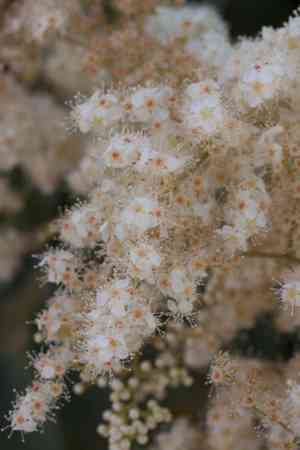
A sturdy bush characterized by its gracefully curved limbs and delicate leaves, giant false spiraea greatly benefits from trimming to preserve its form and stimulate vigorous new development. Perform pruning in early spring prior to bud emergence or during winter while the plant is inactive. Reducing the number of older stalks and cutting back the entire specimen periodically revitalizes it and deters excessive growth. Consistent elimination of lifeless or compromised wood enhances its general well-being and aesthetic appeal.
Advantages of Trimming Giant False Spiraea
Advantages of Trimming Giant False Spiraea
Trimming giant false spiraea promotes more abundant flowering and lowers the chance of pests and illnesses by eliminating old or unhealthy wood, thereby fostering a stronger, healthier specimen.
Optimal Period for Pruning Giant False Spiraea
Optimal Period for Pruning Giant False Spiraea
Early spring is perfect for pruning giant false spiraea as it's just before new growth begins, allowing the plant the entire season to recover and develop. Pruning in late winter, while the plant is still dormant, minimizes stress and disease risk. During these times, the absence of leaves also provides a clearer view of giant false spiraea's structure, enabling more precise cuts. Avoiding the blooming period ensures the plant's ability to flower is not compromised.
Required Tools for Pruning Giant False Spiraea
Hand Pruners
Best for removing smaller stems and deadheading. As giant false spiraea can have slender stems, hand pruners are ideal for making accurate cuts without harming smaller branches.
Loppers
Giant false spiraea can reach a considerable size, and its thicker branches may need tools with greater leverage. Loppers are suitable for cutting stems up to 2 inches thick, providing the necessary power without causing strain.
Pruning Saw
For mature giant false spiraea with thick, woody stems, a pruning saw is essential. It allows for cutting branches over 2 inches thick and ensures clean cuts through tougher wood, preventing damage to the plant.
How to Prune Giant False Spiraea
Identify
Inspect giant false spiraea thoroughly to pinpoint diseased foliage, withered leaves, dead branches, infected branches, spent flowers, and overly vigorous branches that need trimming.
Sanitize
Before making any cuts, clean and disinfect pruning shears to prevent the spread of diseases to healthy parts of giant false spiraea.
Remove diseased and dead
Carefully remove any diseased leaves, withered leaves, dead branches, and infected branches from giant false spiraea by making clean cuts at their point of origin to encourage healthy growth and air circulation.
Thin growth
Thin out giant false spiraea to maintain its form and encourage robust, balanced branches by selectively pruning excessive growth. Use thinning cuts to remove entire branches or stems at their base.
Prune flowers
Trim back spent flowers from giant false spiraea to enhance its appearance and stimulate new blooms, cutting back to the first pair of healthy leaves below the faded flower.
Common Pruning Errors with Giant False Spiraea
Over-pruning
Removing too much foliage at once can stress giant false spiraea, hindering its growth and recovery. It's a common mistake to cut back more than one-third of the plant in a single pruning session.
Improper cuts
Incorrectly made cuts can harm giant false spiraea, leading to disease and poor growth. Cuts should be made at a 45-degree angle and above a bud that faces the outside of the plant.
Neglecting tools
Using dull or dirty tools can create jagged cuts that heal slowly and are more prone to disease. Ensuring tools are clean and sharp is vital for a clean cut.
Uneven shaping
Lack of experience may result in an uneven shape, which can impact the aesthetic appeal and overall health of giant false spiraea. Pruning should aim for a balanced, natural-looking form.
Ignoring deadwood
Failure to remove dead or diseased branches can allow problems to spread throughout giant false spiraea. Regularly cutting out problematic wood is essential for the plant's health.
General Pruning Advice for Giant False Spiraea
Health first
Prioritize removing any dead, damaged, or diseased branches to maintain the health and vigor of giant false spiraea. These cuts take precedence over shaping and thinning.
Selective thinning
Thinning out dense areas of growth improves air circulation and light penetration, which is crucial for preventing diseases and encouraging strong, healthy growth in giant false spiraea.
Promote new growth
Since giant false spiraea blooms on new wood, encourage new shoots by cutting back old stems. This will stimulate flowering and renew the plant's vigor.
Respect natural form
Prune giant false spiraea in a way that maintains its natural arching habit for optimal appearance and growth. Avoid shearing into formal shapes unless it is being used as a hedge.
Regular maintenance
Consistent and regular pruning prevents giant false spiraea from becoming overgrown and unmanageable, which would necessitate more drastic pruning measures in the future.



