How to Propagate Giant false spiraea?
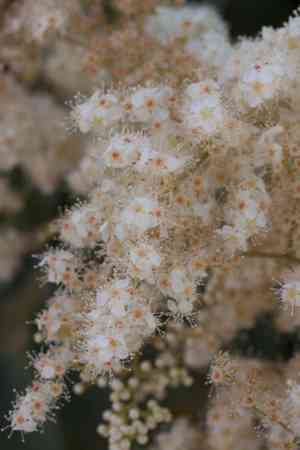
Perfect for enthusiastic horticulturists, giant false spiraea flourishes when reproduced via cuttings. To ensure a positive outcome, utilize vigorous, pathogen-free stem sections and embed them in porous soil enhanced with organic material. This promotes sturdy growth as the cutting establishes roots, progressively adapting to its new surroundings. Consistent irrigation and dappled sunlight encourage peak development during the rooting stage, cultivating a resilient, flourishing specimen.
Optimal Time for Giant False Spiraea Propagation
Propagation Method
Cutting
Propagation Period
Autumn,Winter
Tools for Giant False Spiraea Propagation
Sharp Pruning Shears
These are crucial for making clean, precise cuts on giant false spiraea. A sharp cut promotes rapid healing and minimizes infection risk, greatly benefiting the new plants' health.
Rooting Hormone
This compound encourages root development from cuttings. Applying it to giant false spiraea's cut ends boosts the likelihood of successful root formation, vital for the propagules' survival.
Sterile Potting Mix
A clean, nutrient-rich substrate is essential for effective rooting. It prevents disease and offers necessary support and nutrients for giant false spiraea's initial growth.
Small Pots or Trays
These containers are used for planting cuttings. They allow for better moisture control and easier management of multiple propagules, aiding efficient growth for giant false spiraea.
Plastic Covers or Mini Greenhouses
Maintaining high humidity is critical for rooting cuttings. Covers or mini greenhouses help retain moisture and warmth around giant false spiraea, improving rooting success and early growth.
Propagating Giant False Spiraea Guide
Propagation Difficulty
Moderately Difficult
Post-Propagation Care for Giant False Spiraea
Post-Propagation Care for Giant False Spiraea
Once the giant false spiraea cutting has rooted and new growth appears, gradually introduce it to normal conditions. Remove the cover and place it in bright, indirect light. Water regularly to keep soil moist but not soggy. Fertilize with a balanced feed during the growing season. Monitor for pests and diseases, addressing issues promptly.
Common Propagation Errors for Giant False Spiraea
Over-watering during rooting
Excessive moisture can cause root rot in giant false spiraea, hindering new root development and potentially killing young plants. A balance is needed to support root growth without waterlogging.
Using non-sterile tools and mediums
Propagation failure in giant false spiraea often stems from contaminated tools and mediums, which introduce pathogens that can attack vulnerable cuttings and seedlings.
Neglecting to remove lower leaves on cuttings
Leaving too many leaves on giant false spiraea stem cuttings can lead to excessive moisture loss, stressing the cutting as it tries to root, potentially impairing its survival and growth.
Giant False Spiraea Propagation Advice
Choose healthy and vigorous parent plants
Selecting robust, disease-free giant false spiraea specimens as propagation sources ensures a higher success rate, as healthier plants yield more viable cuttings and seeds.
Use a rooting hormone
Applying rooting hormone to the cut end of giant false spiraea cuttings can significantly boost rooting success by promoting faster and more uniform root development.
Maintain optimal humidity
Creating a humid environment around giant false spiraea cuttings, such as with a humidity dome, is crucial to prevent desiccation while new roots form, increasing successful propagation chances.



