How to Transplant Quito orange?
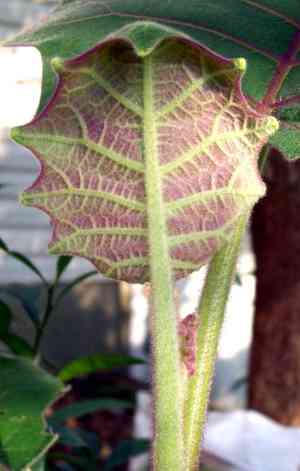
For quito orange, the ideal moment for transplanting is during its renewed growth phase, typically extending from the warmth of late spring into early summer. Select a location that receives abundant sunlight and possesses soil with good drainage. It is vital to ensure the roots are well-established before winter; a helpful suggestion is to initially shield young plants from strong afternoon sun.
What Preparations are Needed Before Transplanting Quito Orange?
What is the Ideal Time for Transplanting Quito Orange?
The optimal period for relocating quito orange is at the start of its active growth phase, typically from late spring to early summer. This timeframe provides quito orange with a combination of mild temperatures and ample daylight, encouraging strong root development before the intensity of midsummer heat. Moving quito orange during this window allows the plant sufficient time to adapt to its new environment, utilizing the favorable weather to establish a robust foundation for future growth. A helpful tip for gardeners: giving quito orange an early start in this season can lead to a plentiful display of its distinctive foliage and fruit!
How Much Space Should You Leave Between Quito Orange Plants?
Before introducing your quito orange to their new home, ensure they have ample room! Spacing them approximately 24-36 inches (61-91 cm) apart will enable them to thrive without competing for resources.
What is the Best Soil Mix for Quito Orange Transplanting?
To ensure the success of your quito orange, aim for fertile, well-draining soil. Enhance nutrient levels with a balanced, slow-release fertilizerâconsider NPK (Nitrogen, Phosphorus, Potassium) ratios such as 10-10-10 to give them a strong start.
Where Should You Relocate Your Quito Orange?
Your quito orange thrives in sunlight, so select a bright location where they can receive full sun for vigorous, healthy development. Aim for a spot where the sun's rays can gently reach them for at least 6-8 hours daily.
What Equipments Should You Prepare Before Transplantation Quito Orange?
Gardening Gloves
To safeguard your hands while handling soil and the plant.
Shovel or Spade
For excavating the plant from its original spot and digging a new planting hole.
Garden Fork
To loosen and aerate the soil around the root ball during removal and replanting.
Watering Can or Hose
To hydrate the quito orange before and after its relocation.
Pruning Shears
To trim any damaged roots or excessively long branches prior to transplanting.
Wheelbarrow or Garden Cart
To transport the quito orange and soil if the new site is a considerable distance away.
Stakes or Plant Supports
To offer stability to the quito orange post-transplanting if needed.
How Do You Remove Quito Orange from the Soil?
How Do You Remove Quito Orange from the Soil?
From Ground: First, moisten the quito orange's soil. Then, excavate a wide trench around the plant using a shovel or spade, ensuring the root ball remains intact. Carefully work the spade beneath the root ball to lift the plant from its initial position.From Pot: Hydrate the quito orange to facilitate the root ball's removal. Invert the pot and gently tap its sides to help loosen the root ball. Carefully ease the plant out to prevent root damage.From Seedling Tray: Water the soil to soften it. Use a spoon or a small implement to lift the soil and root ball of the quito orange from its cell, taking extra care not to harm the delicate roots.
Step-by-Step Guide for Transplanting Quito Orange
Prepare the New Location
Ready the new planting site by digging a hole twice as wide and the same depth as the quito orange's root ball.
Inspect and Prune Roots
Examine the roots and trim any damaged or diseased sections with pruning shears. This will stimulate new root development.
Position the quito orange
Place the quito orange in the center of the hole so it stands upright and the top of the root ball is level with the surrounding soil surface.
Refill the Hole
Backfill the hole with the excavated soil, gently firming it down to eliminate air pockets around the roots.
Water Thoroughly
Water the quito orange generously immediately after planting to settle the soil and provide moisture for the roots.
Stake if Necessary
If the quito orange is tall or unstable, insert stakes around the plant and secure them with plant ties for support.
How Do You Care For Quito Orange After Transplanting?
Initial Watering
Water the quito orange thoroughly right after transplanting and continue to water every few days to maintain consistent soil moisture during its establishment phase.
Mulching
Apply a layer of mulch around the base of the quito orange to help retain soil moisture and regulate soil temperature.
Monitoring Growth
Observe the quito orange's development and adjust care as needed. Ensure that stakes or supports remain effective and do not hinder growth.
Gentle Fertilization
After approximately 4 to 6 weeks, consider applying a mild fertilizer to encourage healthy growth, being careful to follow product instructions.
Troubleshooting Common Issues with Quito Orange Transplantation.
When's the best time to transplant quito orange for thriving growth?
Relocate quito orange during its prime season, from late spring to early summer, to optimize root establishment.
What's the ideal distance between quito orange when transplanting?
Allow quito orange ample room to flourish by spacing them 24-36 inches (61-91 cm) apart, which promotes healthy growth.
Why are the leaves of my transplanted quito orange wilting?
Wilting after relocation is often due to root shock. Ensure adequate hydration and initially avoid direct sunlight.
How deep should I plant quito orange's roots when transplanting?
Plant quito orange's roots just beneath the surface in a hole twice the root ball's width for optimal results.
Can I transplant quito orange during hot weather?
It's best to avoid moving quito orange in high heat. Aim for cooler periods or overcast days.
How much should I water quito orange after transplanting?
Water quito orange generously post-transplant to settle the soil around roots, then regularly until established.
What type of soil is ideal for transplanting quito orange?
Relocate quito orange into rich, well-draining soil with a blend of peat, compost, and vermiculite for best growth.
Should I use fertilizer when transplanting quito orange?
Wait 4-6 weeks before fertilizing to prevent burning new roots, then use a balanced formula.
What are signs of transplant shock in quito orange?
Symptoms include wilting, yellowing or dropping leaves, and stunted growth. Provide tender loving care and they'll usually recover.
Can I transplant quito orange in the rain?
Light rain can be beneficial as it keeps roots moist, but avoid heavy downpours that may harm quito orange.



