How to Propagate Quito orange?
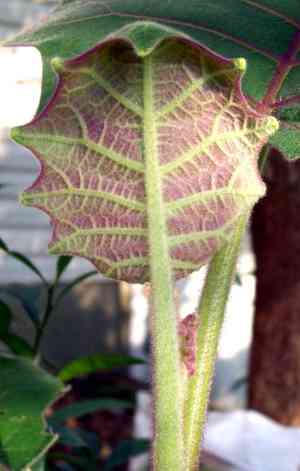
Hailing from South America, quito orange is a captivating decorative and fruit-producing specimen. For multiplying quito orange, asexual propagation via cuttings is successful. Cultivators can encourage robust development by selecting strong stems for cuttings, making sure they possess multiple leaf nodes. Damp, adequately draining soil enhances the root formation stage, while consistent temperatures and diffused light aid in successful propagation. Focusing on moisture levels and preventing overly wet environments can protect the fragile cuttings during their crucial initial growth phase.
What Is the Best Time To Propagate Quito Orange?
Propagation Type
Cutting
Propagation Season
Spring,Summer
What Tools Are Used in Quito Orange Propagation?
Sharp pruning shears
Utilized for taking clean and precise cuttings from quito orange, minimizing harm to the parent plant. Sharp blades are vital to prevent crushing or tearing stems, which can cause disease and poor rooting.
Rooting hormone
Applied to the cut end of quito orange's stem to encourage faster root development and stronger initial root growth. This boosts the likelihood of successful propagation by improving the plantâs capacity to absorb water and nutrients from the soil.
Sterile potting mix
Offers a clean, regulated environment free of pathogens, crucial for the delicate initial phases of root growth in quito orange. A mix rich in peat or coconut coir retains moisture effectively yet drains well â essential for cutting health.
Propagation tray
Holds the potting medium and quito orange cuttings in an organized manner and maintains consistent moisture, vital for rooting. Trays can also be covered to form mini greenhouses, sustaining high humidity around the cuttings.
Heating mat
Ensures the rooting substrate stays at an ideal temperature, promoting quicker and more uniform root development in quito orange. This is especially important in colder climates or seasons where ambient temperatures might not be suitable for rooting.
How to Propagate Quito Orange?
Propagation Type
Moderately Difficult
How to Care for Your Newly Propagated Quito Orange?
How to Care for Your Newly Propagated Quito Orange?
Once roots have formed, gradually introduce the new quito orange plant to standard conditions by removing the plastic cover for increasing periods daily. After about a week, keep the plastic off permanently. Maintain consistently moist soil, but avoid waterlogging. When the quito orange exhibits new growth, it can be transplanted into a larger pot using a standard potting mix. Provide quito orange with a sunny spot and shield it from frost. Regular watering, occasional fertilization, and pruning to encourage a bushy form will help maintain a healthy quito orange plant.
Common Mistakes to Avoid When Propagating Quito Orange
Overwatering
Excessive water can lead to root rot for quito orange, as it prefers well-drained soil. Overly wet conditions can be detrimental to root health, hindering growth or killing the plant.
Using poor soil mix
A common error is employing a heavy or poorly draining soil blend, which can impede root development and aeration for quito orange, resulting in poor plant vitality.
Ignoring pest control
Neglecting pest management during propagation can result in infestations that harm or kill young quito orange plants.
Deep planting
Planting quito orange seeds or cuttings too deeply can hinder proper germination or rooting, as quito orange requires an appropriate depth to flourish.
Neglecting humidity
This plant thrives in high humidity. Failing to provide a humid microclimate can lead to desiccation of the plant material and reduce propagation success.
Tips For Propagating Quito Orange
Well-draining soil
Utilize a light, airy, well-draining soil mixture to foster healthy root growth and prevent waterlogging for quito orange.
Gradual acclimatization
Slowly acclimate propagated quito orange plants to their new surroundings to minimize transplant shock.
Control humidity
Create a high-humidity environment for the propagating quito orange, such as using a humidity dome or misting, to prevent drying out.
Proper planting depth
Plant quito orange seeds or place cuttings at an appropriate depth to ensure they receive adequate light and air for optimal rooting.
Pest monitoring
Regularly check for pests during early stages and implement preventative measures to protect quito orange plants.



