How to Prune Quito orange?
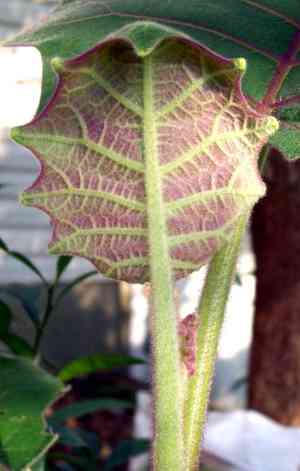
Originating from South America, the quito orange is recognized for its substantial, soft leaves and palatable fruit. Efficient trimming involves reducing crowded branches to allow for adequate light and airflow, fostering robust development and fruit yield. The most suitable time for pruning is in early spring, coinciding with the plant's inactive phase. Consistent removal of basal shoots and lower branches contributes to the plant's overall health. Trim to preserve its form, lessen the chance of illness, and stimulate a strong, superior fruit harvest in this warm-climate variety.
Advantages of Trimming Quito Orange
Advantages of Trimming Quito Orange
Trimming quito orange encourages more abundant harvests by promoting fruit development. It stimulates quito orange to grow more vigorously, ensuring healthier specimens. Regular shaping maintains quito orange's dimensions, enhancing its visual appeal and managing space efficiently.
Optimal Period for Pruning Quito Orange
Optimal Period for Pruning Quito Orange
Early spring is the ideal time for pruning quito orange as it follows dormancy and precedes the growth cycle. Pruning then encourages new growth, removes any dead or damaged wood from colder months, and contributes to the plant's overall health and form. This timing directs resources towards vibrant foliage, and subsequently, summer flowering and fruiting. Wounds heal quickly during active growth, minimizing stress and disease risk. Avoid pruning quito orange in late fall or winter, as lingering wounds in cold, damp conditions can lead to infection or pests.
Essential Tools for Pruning Quito Orange
Hand Pruners
For accurate cuts on young stems and removing unwanted fruit or dead material. Perfect for quito orange, which often needs detailed pruning for shape and healthy growth.
Lopping Shears
Suitable for cutting thicker branches that hand pruners can't easily manage. Quito orange's sometimes robust branches benefit from this tool for proper shaping and to prevent overcrowding.
Pruning Saw
Required for quito orange when mature branches become too thick for loppers. A saw allows removal of these large limbs without harming the plant.
Gloves
To safeguard hands from quito orange's thorny stems and leaves during pruning sessions.
Pruning Sealer
Though not a tool, applying sealer to large cuts on quito orange is beneficial for protection against diseases and pests.
How to Prune Quito Orange
Sanitize Tools
Before beginning the pruning process, sterilize all cutting implements to prevent the spread of disease and pests to quito orange. Use a solution of one part bleach to nine parts water or alcohol for disinfection.
Remove Diseased Parts
Carefully inspect quito orange for any signs of illness in leaves and branches. Remove all diseased leaves and branches using clean, sharp pruning shears to prevent further infection. Cut back to healthy tissue to promote healthy regrowth.
Eliminate Dead Material
Identify any withered leaves or dead branches on quito orange, and trim these areas to maintain plant health and appearance. Cut them back to the nearest healthy stem or branch junction, being careful not to damage any healthy parts.
Thin Growth
Thin out areas of excessive growth in quito orange to ensure adequate air circulation and light penetration throughout the plant. Focus on branches that are rubbing against each other or growing inward toward the plant's center. Make your cuts just above a leaf node or a branching point.
Shape Plant
After removing the necessary parts, shape quito orange as desired to promote an appealing plant structure. Avoid excessive pruning which can stress the plant; generally, do not remove more than one-third of the plant's volume at one time.
Common Pruning Errors with Quito Orange
Excessive Pruning
Removing too much foliage from quito orange can stress the plant, leading to slow regrowth and reduced vigor.
Dull Tools
Using unsharpened blades can damage the branches of quito orange, increasing the risk of disease and pest infestation.
Incorrect Cut Angles
Improper cutting angles may prevent water from draining off cut surfaces, potentially inviting fungal diseases.
Neglecting Sanitation
Failing to sanitize pruning tools before use can spread diseases between plants.
Ignoring Plant Structure
Cutting without understanding the plant's natural form can lead to a loss of quito orange's aesthetic shape.
Overlooking Disease Signs
Pruning without first assessing and removing diseased parts can worsen the spread of disease within quito orange.
Random Pruning
Pruning without a clear objective can lead to poor air circulation within quito orange's foliage and fewer fruits.
General Pruning Advice for Quito Orange
Sharp Tools
Always use sharp, clean shears or secateurs to make precise cuts without damaging quito orange's tissues.
45 Degree Cuts
Make cuts at a 45-degree angle about 1/4 inch above a leaf node or bud to promote healthy regrowth and minimize water accumulation.
Timely Clean-Up
Remove and destroy any pruned diseased materials to prevent infection spread throughout quito orange.
Selective Thinning
Prune selectively to remove only dead, damaged, or overcrowded branches, thereby improving light penetration and air flow for quito orange.
Gradual Pruning
If substantial pruning is needed, do it gradually over a period of time to avoid shocking quito orange.
Prune For Shape
Consider quito orange's natural growth habit and shape to guide pruning decisions, aiming for a balanced plant structure.
Health Check
Regularly inspect quito orange for signs of pests or diseases and prune affected areas promptly to maintain plant health.



