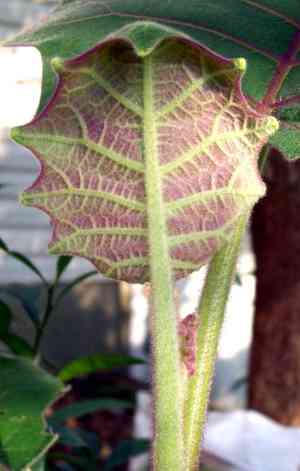
Quito orange (Solanum quitoense)
Also known as: Narangillo, Golden fruit of the andes
Quito orange is a perennial shrub known for its year-round flowering and production of small fruits, often referred to as 'little oranges.' While it can quickly grow into a large, exotic-looking plant within a single season, it also contains toxic alkaloids, posing a risk if ingested. This plant is frequently used for ornamental purposes, but caution is advised due to its potential hazards.
In This Article
Attributes of Quito orange
Lifespan
Perennial
Plant Type
Shrub
Plant Height
1.8 m
Spread
1.8 m
Leaf Color
Green Gray
Flower Size
3 cm to 4 cm
Flower Color
White Purple
Images of Quito orange
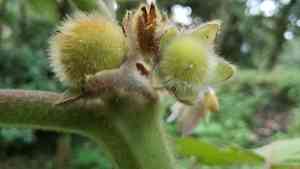
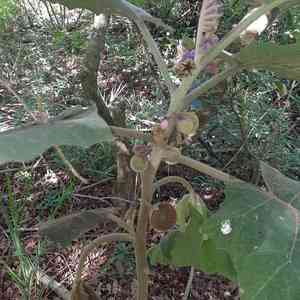
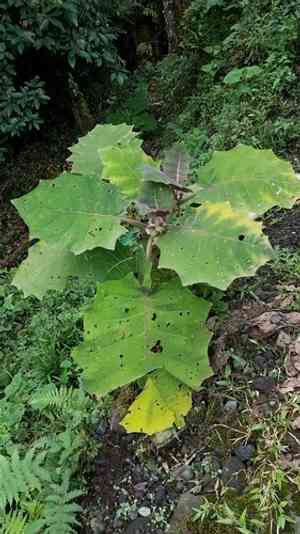
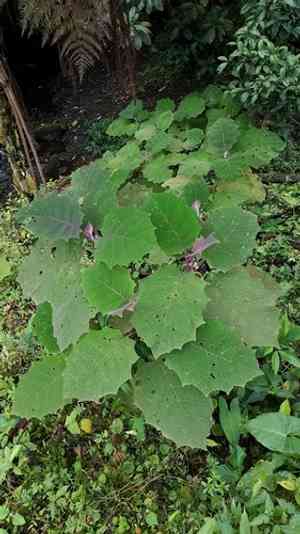
Quickly Identify Quito orange
1
Look for large, heart-shaped leaves with a fuzzy, purplish hue. The plant produces small white to purple flowers, and its fruit is round, green when immature, turning orange when ripe. The stems and leaves also have sharp spines.
Scientific Classification of Quito orange
Phylum
Vascular plants
Class
Dicotyledons
Order
Solanales
Family
Nightshade
Genus
Nightshades
Species
Quito orange
Planting and Growing of Quito orange
Care Difficulty
Moderate
Watering Schedule
Every 8 days
Sunlight Requirements
Partial sun
Sunshine Duration
6-10 hours
Ideal Temperature
60-86℉
Soil Type
Potting Mix, Peat Mix
Soil pH
6-7.5
Fertilizer Type
Balanced
Pruning Season
Spring, Summer
Pruning Area
Branches, Leaves
Pruning Frequency
2 times a year
Repotting Season
Spring
Pot Type
Plastic, Ceramic
 How to Water Quito orange?
Solanum quitoense, also known as Naranjilla, requires a balanced watering approach where soil moisture is maintained steadily. Aim to provide around 500 ml of water per session, ensuring that the soil is moist but not waterlogged. The goal is to allow the top inch of soil to dry out slightly between watering while keeping the deeper root area consistently hydrated.
What are the symptoms of an underwatered Quito orange?
›
What should I do if my Quito orange is not getting enough water?
›
What are the symptoms of an overwatered Quito orange?
›
How to save an overwatered Quito orange?
›
 What Are the Sunlight Requirements for Quito orange?
Partial sun to full sun, ideally 4 to 6 hours of scattered light promotes healthy foliage and fruit development for Solanum quitoense.
More About Sunlight Requirements Techniques→
What amount of sunlight is best for Solanum quitoense?
›
How can I ensure it's getting the right light?
›
What are the benefits of ideal lighting conditions?
›
 What Is the Ideal Temperature Range for Quito orange?
The ideal temperature range for Solanum quitoense is between 60°F and 86°F. This range provides the warm and consistent climate needed to support healthy growth and fruiting. Temperatures outside this range could lead to suboptimal growth conditions, affecting the plant's ability to thrive.
 What Soil is Best for Quito orange?
Solanum quitoense thrives in soil that retains moisture well. Such soils help prevent dehydration of the roots while ensuring consistent access to water, fostering healthy growth and fruit production. This plant demands nutrient-dense soils to flourish. A rich soil composition ensures a steady supply of essential minerals and nutrients, supporting robust foliage and bountiful fruiting. Although Solanum quitoense prefers moist conditions, the soil must still allow excess water to drain efficiently. This prevents root rot and other water-related diseases, ensuring the plant remains healthy.
 How to Fertilize Quito orange?
For Solanum quitoense, it's crucial to apply fertilizers with a balanced nutrient profile. When using liquid fertilizer, apply approximately 1 tablespoon per gallon of water. Use caution and ensure the quantity aligns with the plant size and container since over-fertilization can lead to nutrient burn.
 How to Prune Quito orange?
Begin by assessing the plant's structure. Look for branches that cross over each other, as well as dead or damaged limbs. Removing these will prevent potential growth issues. Focus on making cuts just above nodes (where leaves meet the stem) to encourage new shoots. Trim any branches that appear leggy or asymmetrical to improve the plant's form and balance. Prune to maintain an open center, improving airflow and sun exposure, vital for minimizing pest and disease risks. Regularly shaping the canopy ensures better distribution of resources and supports a healthier plant.
More About Pruning Techniques→
 How to Propagate Quito orange plant?
1
Select seeds from a reputable source ensuring they're viable. Inspect the seeds for any signs of mold or damage to guarantee healthy germination.
2
Use a well-draining potting mix with a balance of soil, sand, and peat moss. Proper preparation of the medium ensures it retains moisture without waterlogging the seeds or cuttings.
3
Cut 4-6 inches of a healthy stem using sterilized shears. Make sure the cutting has at least a couple of leaves, but remove any lower leaves to prevent decay when placed in the soil.
 How to Repot Quito orange plant?
1
Repotning should be considered when you see roots emerging from the drainage holes, indicating that the current pot has become too small, or when the plant looks top-heavy and unstable. If growth has stagnated despite regular care, it's another clue that repotting can give the plant more room to breathe and grow.
2
Select a pot that is one to two inches larger in diameter than the current one. A pot too large might retain excess moisture, leading to root rot. Opt for a pot with ample drainage holes to prevent waterlogging, ensuring the health of your Solanum quitoense.
3
Pick a well-drained potting mix rich in organic matter. The soil should retain enough moisture to support lush growth but must drain excess water efficiently. This balance prevents root rot and encourages healthy plant development.
Toxicity
Ingestion, Contact
WARNING
The judgment on toxicity and danger is for reference only. We DO NOT GUARANTEE any accuracy of such judgment. Therefore, you SHALL NOT rely on such judgment. It is IMPORTANT TO SEEK PROFESSIONAL ADVICE in advance when necessary.
Learn More About Quito orange Diseases
Anthracnose
Bacterial Leaf Spot
Bacterial Soft Rot
Bacterial Wilt
Chemical Injury
Damping-off
Downy Mildew
Drought Stress
Fusarium Wilt
Gray Mold
Late Blight
Leaf Curl
Leaf Spot
Mosaic
Nutrient Deficiency
Nutrient Toxicity
Powdery Mildew
Root Rot
Root-knot Nematode
Sooty Mold
Spider Mites
Temperature Stress
Thrips Damage
White Mold



