How to Transplant Wild potato?
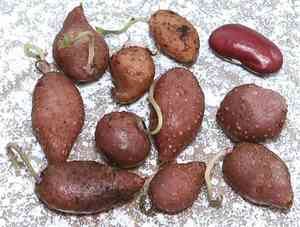
The most favorable period for relocating wild potato is between the end of spring and the beginning of summer, since this timeframe provides moderate temperatures conducive to root establishment. Select a site featuring soil that drains effectively and receives partial sunlight. Ensure the soil remains damp following the transplant to stimulate development.
What Preparations are Needed Before Transplanting Wild Potato?
What is the Ideal Time for Transplanting Wild Potato?
Relocate wild potato during the pleasant period of late spring, as the ground softens and life resumes, through the vibrant mid-summer days. This timing allows wild potato to comfortably settle into its new spot, benefiting from the longer days and milder evenings, which are perfect for root development. The season's warmth ensures a smooth transition, with less strain on the plant, promoting strong growth as the roots establish themselves in their new surroundings before the autumn chill.
How Much Space Should You Leave Between Wild Potato Plants?
When moving your wild potato, aim for a distance of 12-18 inches (30-45 cm) between each plant. This provides your wild potato ample room to grow and flourish without competing for nutrients.
What is the Best Soil Mix for Wild Potato Transplanting?
Prepare a bed with well-draining soil, enhanced with a balanced, slow-release fertilizer to nourish your wild potato. A blend of loam and sand works well. Remember, wild potato prefers a soil pH between 6.0 and 7.0.
Where Should You Relocate Your Wild Potato?
Select a sunny location that receives at least 6 hours of daily sunlight for your wild potato. They love soaking up the sun! A bit of afternoon shade is acceptable, especially in hotter climates.
What Equipments Should You Prepare Before Transplantation Wild Potato?
Gardening Gloves
To safeguard your hands while handling soil and plants.
Shovel or Spade
For excavating the wild potato from its original spot and preparing the new site.
Watering Can or Hose
To hydrate the plant before and after the relocation.
Wheelbarrow or Garden Cart
To move the wild potato to its new position if necessary.
Pruning Shears
To trim any damaged or excessively long roots prior to transplanting.
How Do You Remove Wild Potato from the Soil?
How Do You Remove Wild Potato from the Soil?
From Ground: Moisten the wild potato to dampen the soil. Dig a wide trench around the plant with a shovel, being careful not to harm the root ball and keeping it intact. Beneath the root ball, gently insert the shovel to lift the plant from the ground.From Pot: Thoroughly water the wild potato and allow the water to drain. Tilt the pot sideways and tap the bottom or sides to loosen the root ball. Gently slide the plant out of the pot, retaining as much soil around the roots as possible.From Seedling Tray: Water the seedlings. Use a spoon or dibbler to carefully scoop out the seedling while holding onto the base of the stem, avoiding damage to the roots and plant.
Step-by-Step Guide for Transplanting Wild Potato
Preparation
Water the wild potato thoroughly before beginning the transplant to ensure the roots are hydrated.
Root Ball
Dig around the wild potato with care, allowing a generous amount of soil to remain around the roots to protect them.
Lifting
Ease the shovel beneath the root ball of the wild potato and lift it carefully so as to minimize stress on the plant.
Transport
If the new location is not within easy reach, use a wheelbarrow or garden cart to transport the wild potato without dropping or shaking it excessively.
Hole Preparation
Dig a hole at the new site that is as deep as the root ball and twice as wide, loosening the soil at the bottom for better root penetration.
Placement
Position the wild potato so the top of the root ball is level with the surrounding ground. Refrain from planting too deep to prevent stem rot.
Refilling
Fill around the root ball with soil, gently tamping down to remove air pockets without compacting the soil heavily.
Watering
Once the wild potato is in place, water it well to settle the soil around the roots and aid in recovery from transplant shock.
Support
If the wild potato is large or top-heavy, you may need to stake it to ensure it doesn't fall over. Use soft ties to avoid damaging the stem.
How Do You Care For Wild Potato After Transplanting?
Initial Watering
Ensure you provide the wild potato with a generous amount of water immediately following the transplant to help settle the soil and hydrate the roots.
Monitoring
Keep a close watch on the wild potato for the first few weeks, checking for signs of transplant shock, such as wilting or leaf drop.
Mulching
Apply a layer of organic mulch around the base of the wild potato to maintain soil moisture and regulate soil temperature.
Pruning
Trim any damaged or dead portions of the wild potato to focus the plant's energy on establishing new roots and growth.
Staking
Provide support if needed, especially if the wild potato is in a windy location or its stems are fragile.
Gradual Sun Exposure
If the wild potato was previously in a more shaded location, acclimate it to its new sun exposure gradually to avoid sunburn.
Troubleshooting Common Issues with Wild Potato Transplantation.
What's the best time to transplant wild potato?
Relocate wild potato during the pleasantness of late spring to the warmth of mid-summer for optimal results.
How much space does wild potato need when transplanting?
Allow each wild potato about 12-18 inches (30-45 cm) to thrive when arranging them in your garden.
Should I water wild potato immediately after transplanting?
Absolutely! Water wild potato generously post-transplant to ease the stress and help establish roots.
Why are my transplanted wild potato wilting?
Wilting is often stress-related. Ensure wild potato has adequate water, but also avoid overwatering.
How deep should I plant wild potato roots?
The roots of wild potato should be planted so the crown is at soil level, avoiding burying stems.
Can wild potato handle full sun after transplanting?
Wild potato enjoys sunny spots but provide shade after transplanting to prevent shock and wilting.
Why are wild potato's leaves turning yellow after transplanting?
Yellowing leaves may indicate overwatering, under-watering, or transplant shock. Monitor and adjust care accordingly.
How do I prepare the soil for transplanting wild potato?
Work the soil until loose and well-draining, enriched with organic matter, before nestling wild potato in.
What's the sign wild potato is ready to be transplanted?
Wild potato is ready when it's outgrown its current space, usually noticeable by crowded roots.
Can wild potato be transplanted in cooler weather?
It's not ideal; wild potato thrives with transplanting in warmer conditions. Aim for the suggested seasons.



