Enhancing Your Garden Design with the Wild potato Plant: A Landscaping Guide
1
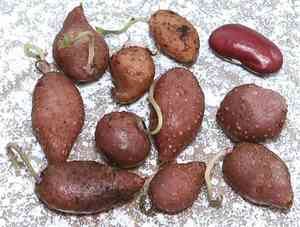
Wild potato flourishes in sandy, well-draining soil and ample sunlight.
2
Growing Wild potato alongside other plants can boost its development and minimize insect issues.
3
Wild potato is an easy-care plant ideal for sustainable garden designs.
Introducing Wild potato to Your Garden
Understanding the Aesthetic Appeal of Wild potato
When considering adding Wild potato to your garden, it's crucial to grasp its distinct visual charm. Wild potato, with its delicate foliage and appealing blossoms, can impart a touch of natural splendor and subtle grace to any garden area. Its unexpected presence has the potential to create a focal point that captures attention and sparks curiosity. By carefully planning where and how to cultivate Wild potato, you can enhance your garden's visual allure, making it more dynamic and engaging.
Choosing the Right Location for Wild potato
The prosperity of Wild potato in your garden largely hinges on selecting an appropriate site. This plant prefers well-drained, sandy soils and flourishes in full sun to partial shade. To optimize growth, choose a spot that receives at least six hours of sunlight daily. Avoid overly damp areas, as excessive moisture can impede the plant's development and lead to root issues. Position Wild potato where it can naturally blend with other plants, contributing to the overall harmony of the garden layout.
Seasonal Considerations for Wild potato
Seasonal shifts play a vital role in the care and upkeep of Wild potato. This resilient plant can adapt to various climates, but it's essential to prepare for different weather patterns to keep Wild potato thriving throughout the year. During its active growth period, ensure consistent watering and remove any competing weeds. In colder months, especially in areas with frost, consider mulching around the base to safeguard the roots. By understanding how to care for Wild potato through the seasons, you can maintain its vitality and visual appeal year-round.
Companion Planting with Wild potato
Best Companion Plants for Wild potato
Choosing suitable companion plants for Wild potato can boost its growth and overall health. Plants like marigolds, beans, and corn are excellent companions, as they can help deter pests and foster a flourishing ecosystem. Marigolds, in particular, are known for their pest-repelling qualities, while beans enrich the soil by fixing nitrogen, benefiting Wild potato. Experiment with various companion plants to discover the best combinations that support Wild potato's growth and complement the rest of your garden.
Benefits of Companion Planting with Wild potato
Companion planting with Wild potato offers numerous advantages, from enhanced growth to natural pest management. Certain plants can improve soil nutrients, ward off harmful insects, and create a more resilient garden environment. Additionally, companion plants can boost pollination, leading to healthier and more productive Wild potato. By strategically planning your garden layout and mixing Wild potato with compatible plants, you can establish a symbiotic ecosystem that minimizes the need for chemical interventions and maximizes the garden's natural potential.
Avoiding Common Planting Mistakes
While companion planting provides many benefits, it's crucial to steer clear of common errors that can hinder Wild potato's success. Do not overcrowd plants, as this can lead to competition for nutrients and sunlight. Ensure ample space between Wild potato and its companions to promote healthy growth. Be mindful of plant height and root systems to prevent overshadowing and underground competition. By considering these factors, you can create a harmonious and thriving garden environment for Wild potato.
Incorporating Wild potato for Eco-friendly Landscaping
Promoting Biodiversity with Wild potato
Integrating Wild potato into your landscape can significantly enhance biodiversity. As a native species, Wild potato supports local wildlife, including pollinators like bees and butterflies. By planting Wild potato, you create an inviting habitat that encourages a diverse array of species to flourish. This, in turn, improves the ecological balance of your garden, making it a vibrant and lively space. Prioritizing biodiversity helps cultivate a robust and resilient garden ecosystem.
Water Conservation and Wild potato
One of the eco-friendly advantages of Wild potato is its ability to thrive with minimal water. This drought-tolerant plant is ideal for gardens focused on water conservation. By incorporating Wild potato, you reduce water usage without sacrificing greenery. Ensure proper soil preparation and mulch application to optimize moisture retention and minimize evaporation. By making mindful water use a priority, you contribute to sustainable gardening practices that can save resources and benefit the environment.
Soil Health and Wild potato
Healthy soil is vital for any garden's success, and Wild potato plays a positive role in this aspect. The roots of Wild potato assist in soil aeration, improving its structure and vitality. Furthermore, when Wild potato is used in crop rotation, it can help disrupt pest cycles, lowering the risk of soil-borne diseases. Regularly amending the soil with organic matter and maintaining a balanced pH level will further support Wild potato and overall garden health. Emphasizing soil health will ensure vigorous growth and a flourishing garden environment.
Design Tips for Using Wild potato in Landscape Architecture
Creating Focal Points with Wild potato
Utilizing Wild potato as a focal point in landscape design can transform your garden. Whether planted in clusters or as a solitary feature, Wild potato's distinctive appearance can generate visual interest. Position Wild potato in strategic locations where it can be naturally highlighted, such as near pathways, garden entrances, or borders. Complement it with stones or garden ornaments to amplify its presence. A well-placed Wild potato can serve as a conversation starter and enhance your garden's architectural appeal.
Balancing Texture and Color
Achieving a balance of texture and color is crucial in landscape design, and Wild potato offers both in abundance. Its leaves and flowers introduce a new texture that can beautifully contrast with other plants. Consider pairing Wild potato with plants of varying heights and hues to create a visually appealing mix. The interplay of different textures and colors can add depth and dimension to your garden, making it more layered and engaging. Experiment with various plant combinations to find the balance that pleases your eye.
Long-Term Maintenance Considerations
To ensure Wild potato remains a vibrant part of your landscape, it's important to plan for its long-term upkeep. Regularly monitor soil conditions and provide necessary nutrients to keep Wild potato healthy. Pruning and weeding are essential to prevent overcrowding and to maintain its aesthetic form. Being mindful of seasonal changes and adapting your care routine accordingly will help Wild potato thrive year after year. Proactive maintenance will keep your garden looking its best and ensure that Wild potato continues to be a standout feature.
Seasonal Care and Management of Wild potato
Preparing Wild potato for Changing Seasons
As the seasons shift, so do the requirements of Wild potato. Preparing for these changes is vital to maintaining its health and vibrancy. During spring and summer, ensure adequate watering and sunlight exposure. In the fall, begin to reduce watering and prepare for colder temperatures by adding mulch to insulate the roots. Winter care is crucial, especially in frost-prone areas; consider covering Wild potato with a protective layer to shield it from freezing conditions. Seasonally adjusting your care routine will help Wild potato adapt and flourish throughout the year.
Addressing Pests and Diseases
Pests and diseases can pose a threat to Wild potato, but proactive management can alleviate these issues. Regularly inspect your plants for signs of insect infestations or fungal infections. Natural remedies, such as neem oil or insecticidal soaps, can be effective for pest control. Ensuring good air circulation and avoiding waterlogged conditions can prevent diseases. Early detection and treatment are crucial in keeping Wild potato healthy and preventing problems from spreading throughout your garden.
Annual vs. Perennial Considerations for Wild potato
Wild potato can be classified as either an annual or a perennial depending on the local climate and specific growing conditions. In milder climates, it can thrive year-round, behaving as a perennial. In regions with harsher winters, it may need to be replanted annually. Understanding your local climate and the needs of Wild potato will help you decide the best approach. Whether you treat Wild potato as an annual or a perennial, careful planning and regular attention will ensure its continued success in your garden.



