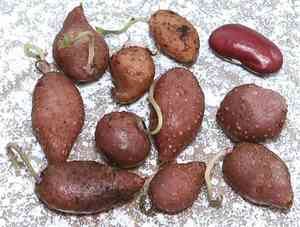
Wild potato (Solanum jamesii)
Also known as: Colorado wild potato, Sego
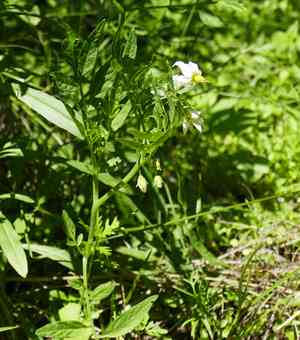
The wild potato plant, native to the southwestern United States, was a dietary staple for the Puebloans. It thrives in dry, sandy soils and can remain dormant for extended periods before sprouting. Its white, star-shaped flowers bloom unpredictably, making it an attractive ornamental plant for walkways.
In This Article
Attributes of Wild potato
Lifespan
Perennial
Plant Type
Herb
Plant Height
20-50 cm
Spread
N/A
Leaf Color
Green
Flower Size
1-2 cm
Flower Color
White to purple
Images of Wild potato
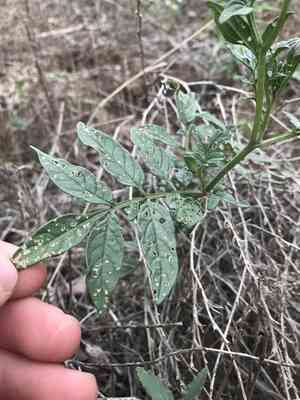
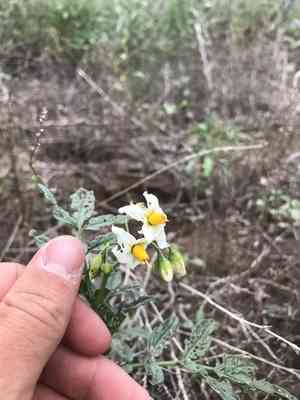
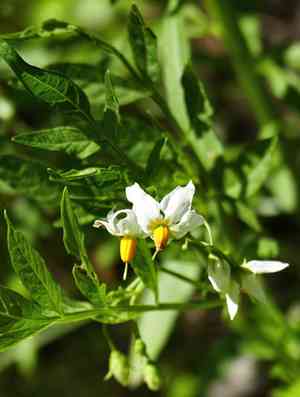
Quickly Identify Wild potato
1
Solanum jamesii can be identified by its small, white to purple flowers, compound leaves with 5-11 lance-shaped leaflets, and small tubers. The plant typically has a spreading habit and can be found in arid or semi-arid environments.
Scientific Classification of Wild potato
Phylum
Vascular plants
Class
Dicotyledons
Order
Solanales
Family
Nightshade
Genus
Nightshades
Species
Wild potato
Planting and Growing of Wild potato
Care Difficulty
Easy
Watering Schedule
Every 2 days
Sunlight Requirements
Full sun
Sunshine Duration
6-10 hours
Ideal Temperature
60-75℉
Soil Type
Potting Mix, Peat Mix
Soil pH
6.5-7.5
Fertilizer Type
Balanced
Pruning Season
Spring, Summer
Pruning Area
Branches, Leaves
Pruning Frequency
2 times a year
Repotting Season
Spring
Pot Type
Plastic, Ceramic
 How to Water Wild potato?
For Solanum jamesii, the watering principle focuses on maintaining a balance in the soil moisture. Always aim to keep the soil slightly moist but not waterlogged. Typically, this translates to around 250 ml of water per session, enough to saturate the root zone without flooding it. Ensure excess water drains freely to prevent water accumulation.
What are the symptoms of an underwatered Wild potato?
›
What should I do if my Wild potato is not getting enough water?
›
What are the symptoms of an overwatered Wild potato?
›
How to save an overwatered Wild potato?
›
 What Are the Sunlight Requirements for Wild potato?
Solanum jamesii thrives in environments offering full sun to partial sun. Such conditions optimize its photosynthetic activities, enhance resilience, and promote healthy tuber and leaf growth.
Ideal sunlight question
›
Solution for achieving ideal sunlight
›
Benefits of ideal sunlight
›
 What Is the Ideal Temperature Range for Wild potato?
Solanum jamesii ideally thrives in temperatures ranging from 60 to 75°F. This range offers optimal metabolic function and encourages healthy growth and tuber production. Maintaining this temperature ensures that the plant can efficiently perform photosynthesis and sustain robust development.
 What Soil is Best for Wild potato?
Solanum jamesii thrives in well-drained soils, which prevent waterlogging. This is beneficial because it reduces the risk of root rot and other water-related diseases, ensuring healthy growth. The plant requires soils with moderate fertility. While it does not need overly rich soil, a balanced nutrient profile supports its growth and tuber development effectively. A loose soil texture facilitates easy tuber expansion and root penetration. This is crucial for optimal nutrient uptake and robust plant health.
 How to Fertilize Wild potato?
For Solanum jamesii, balance is key when it comes to fertilizing. Use a water-soluble fertilizer diluted to half the recommended strength to avoid overwhelming the plant. When using granular fertilizers, apply no more than a tablespoon per square foot to prevent root burn. This ensures the plant gets the necessary nutrients without the risk of over-fertilization.
 How to Prune Wild potato?
Begin by identifying dead, damaged, or diseased leaves and stems. Also, look for crossing branches that may rub against each other as they grow. Make your cuts at a 45-degree angle just above a leaf node. This encourages the plant to heal quickly and helps direct its growth outward. Look for suckers, which are the small shoots growing from the base of the plant or from branches, and prune them to ensure energy is directed towards the main growth. Assess the plant for branches that overlap which may hinder air circulation. Prune selectively to improve airflow and reduce the risk of fungal infections.
More About Pruning Techniques→
 How to Propagate Wild potato plant?
1
Start by filling the seed tray with a light seed germination mix. Sow Solanum jamesii seeds on the surface and cover them lightly with soil. Keep the soil moist and place the tray in a warm location with indirect light. Germination typically takes a few weeks.
2
Choose a healthy parent plant and use a sharp knife to cut a 4-6 inches long stem. Remove the lower leaves and dip the cut end in rooting hormone. This encourages root development and increases the chances of successful propagation.
3
Place the prepared cuttings in a pot with moist potting mix, and ensure that at least one node is below the soil surface. Cover the pot with a plastic bag to maintain humidity, which is crucial in the initial weeks to promote root growth.
 How to Repot Wild potato plant?
1
Repotting Solanum jamesii is ideally done when you notice roots emerging from drainage holes or the soil dries out excessively between waterings. These indicators suggest the plant has outgrown its current pot and needs more room to thrive.
2
Choose a pot with at least one drainage hole and one or two inches larger in diameter than the current pot. A slightly larger pot prevents waterlogging and encourages healthy root growth, providing the optimal balance between plant space and moisture retention.
3
Opt for a well-draining sandy soil mix that mimics Solanum jamesii's natural habitat. This ensures excellent air circulation around the roots and prevents soil compaction, reducing the risk of root rot and promoting vigorous growth.
Toxicity
Ingestion
WARNING
The judgment on toxicity and danger is for reference only. We DO NOT GUARANTEE any accuracy of such judgment. Therefore, you SHALL NOT rely on such judgment. It is IMPORTANT TO SEEK PROFESSIONAL ADVICE in advance when necessary.
Learn More About Wild potato Diseases
Anthracnose
Bacterial Leaf Spot
Bacterial Soft Rot
Bacterial Wilt
Cyst Nematode
Damping-off
Downy Mildew
Drought Stress
Fusarium Wilt
Gray Mold
Late Blight
Leaf Spot
Mosaic
Nutrient Deficiency
Nutrient Toxicity
Powdery Mildew
Root Rot
Root-knot Nematode
Sooty Mold
Spider Mites
Temperature Stress
Thrips Damage
White Mold



