How to Propagate Wild potato?
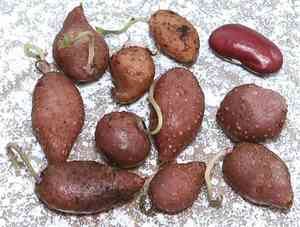
The wild potato, a perennial plant that forms tubers, predominantly reproduces by planting. Those wishing to increase their wild potato stock ought to concentrate on growing the seed tubers in soil that drains effectively, making sure the light yellow to reddish-brown tubers are set superficially for peak growth. The growing medium must also be kept uniformly damp to stimulate emergence. Initiating sprouting of the tubers prior to planting can enhance the rate of successful germination. It is essential to supply wild potato with sufficient sunlight while safeguarding them from harsh environments to ensure robust development.
When Is the Optimal Time to Propagate Wild Potato?
Propagation Method
Seeding
Propagation Period
Spring
What Equipment Is Utilized in Wild Potato Propagation?
Seed trays
Seed trays are perfect for initiating wild potato seeds under regulated environments. These trays facilitate uniform seed placement, ensuring each seedling has ample room to develop without competition. Employing seed trays aids in sustaining consistent soil moisture and temperature, vital elements for wild potato germination.
Quality potting mix
A premium potting mix furnishes wild potato seeds with the essential nutrients and soil structure for effective root formation. The mixture should possess excellent drainage capabilities to avert waterlogging, yet retain sufficient moisture to support wild potato's germination and initial growth phase.
Misting bottle
A misting bottle is employed to gently hydrate wild potato seeds without disturbing them. The fine mist guarantees the soil is uniformly damp, which is critical for seed germination. Excessive watering or direct irrigation can dislodge small wild potato seeds, whereas misting fosters a favorable growth environment.
Grow lights (for indoor propagation)
Grow lights are advantageous if wild potato is propagated indoors or in low-light conditions. These lights deliver a spectrum akin to sunlight, encouraging photosynthesis and robust growth until the seedlings are strong enough for outdoor relocation.
Heating mat
A heating mat is particularly useful for sustaining a steady soil temperature, a crucial component for wild potato germination. By setting the mat to an appropriate temperature, the germination rate is boosted, ensuring more uniform seedling development.
How to Propagate Wild Potato?
Propagation Difficulty
Simple
How to Care for Your Newly Propagated Wild Potato?
How to Care for Your Newly Propagated Wild Potato?
Post-germination, gradually acclimate the young plants to increased direct sunlight over several weeks. Fertilize sparingly with a balanced, slow-release fertilizer to promote growth. Safeguard young wild potato plants from pests through regular inspection and suitable organic treatments. Continue to monitor soil moisture and adjust watering based on weather conditions and soil dryness. As the plants mature, they might require staking for support, depending on environmental factors like wind or uneven soil.
Common Errors to Avoid When Propagating Wild Potato
Overwatering
Excessive watering of wild potato can lead to root rot and fungal infections, as the plant thrives in well-drained conditions.
Too Deep Planting
Planting wild potato's tubers excessively deep can impede their ability to sprout, as they need some light and air exposure to initiate growth.
Overcrowded Planting
Planting wild potato tubers too closely can restrict their growth due to competition for nutrients and space, resulting in smaller tubers.
Ignoring Pest Management
Neglecting early indications of pest infestations, such as leaf damage or discoloration, can escalate into severe harm, impacting wild potato's health and yield.
Advice For Propagating Wild Potato
Proper Soil Preparation
Ensuring the soil is loose and well-draining is vital for successful wild potato propagation, as it encourages healthier root and tuber development.
Appropriate Watering
Maintaining balanced moisture levels is key for wild potato; the soil should remain slightly moist but not waterlogged, to support growth without causing root problems.
Spacing
Providing each tuber with adequate space to grow is essential. Planting them with sufficient distance apart will allow wild potato to develop larger, healthier tubers.
Regular Monitoring
Frequent checks for pests and diseases enable early intervention, which is crucial for maintaining wild potato's health and productivity. Implementing preventive measures like using appropriate fungicides or insecticides as needed can also enhance propagation success.



