How to Overwinter Wild potato
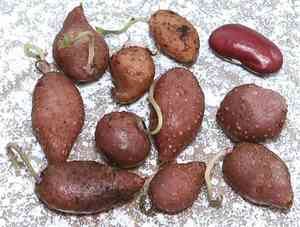
1
Wild potato is semi-hardy, requiring specific attention in colder periods.
2
Optimal indoor storage temperatures for Wild potato are between 5°C and 10°C (41°F to 50°F).
3
Excessive watering is a frequent error and can cause root decay in Wild potato.
Understanding Wild potato Frost Sensitivity
Understanding Wild potato Frost Sensitivity
The Wild potato is an intriguing plant recognized for its adaptability across diverse environments. However, regarding its susceptibility to frost, this plant is categorized as half-hardy. This implies that while Wild potato can endure cool temperatures, it cannot withstand severe frost or freezing conditions. These plants typically flourish in environments where the temperature remains above 5°C (41°F). Comprehending its frost sensitivity is vital as it dictates how and when you should begin preparing your plant for overwintering.
Indoor Overwintering Techniques for Wild potato
Choosing the Right Container
Selecting the appropriate container is the initial step for indoor overwintering. A pot measuring 25-30 cm (10-12 inches) in diameter with effective drainage holes is optimal. This size provides ample space for the tubers to develop without crowding, while proper drainage prevents waterlogging, which can cause root rot.
Ideal Indoor Conditions
Once you have the correct container, positioning the Wild potato in a suitable indoor spot is essential. A cool, dim area such as a basement or unheated garage is perfect. Maintain a temperature range of 5°C to 10°C (41°F to 50°F), ensuring it doesn't rise significantly higher, as elevated temperatures can prematurely end dormancy.
Watering and Humidity Control
During the colder months, Wild potato requires minimal watering. Aim to provide just enough moisture to prevent the soil from becoming completely dry. Excessive watering can lead to mold and mildew, a common issue with indoor plants. Keep the humidity low to deter fungal growth.
Monitoring for Pests and Disease
Indoors, pests can still pose a threat. Regularly inspect your Wild potato for indications of pests like aphids or spider mites. If you detect any insects, treat the plant with a mild insecticidal soap. Also, watch for any disease symptoms such as discoloration or unusual spots on the tubers.
Outdoor Overwintering Techniques for Wild potato
Mulching and Insulating the Soil
An effective method to safeguard your Wild potato outdoors is mulching. Apply a thick layer of organic mulch, such as straw or leaves, around the plant's base. This insulates the soil and retains warmth, preventing the roots from freezing.
Using Row Covers and Cold Frames
Row covers and cold frames offer additional protection. These structures create a microclimate that is warmer than the ambient air, shielding the Wild potato from frost damage. Secure the covers firmly to prevent wind from dislodging them.
Timing and Frequency of Watering
While outdoor watering can be somewhat challenging during winter, it's crucial to ensure the soil remains slightly moist. Reduce watering frequency to about once a week, depending on rainfall and soil moisture levels. Avoid overwatering, as this can lead to waterlogged soil and subsequent root problems.
Frequently Asked Questions on Overwintering Wild potato
Can Wild potato Survive Frost?
While Wild potato is half-hardy, it cannot endure severe frosts. Mild frost can cause superficial damage, but prolonged exposure to frost is likely to be fatal for the plant. Therefore, protective measures are essential.
How to Revive a Frost-Damaged Wild potato?
Reviving a frost-damaged Wild potato involves carefully pruning affected parts and gradually moving it to a warmer environment. Ensure the soil is adequately moist and closely observe the plant for signs of recovery. Applying a gentle, balanced fertilizer can also stimulate new growth.



