How to Transplant Compassplant?
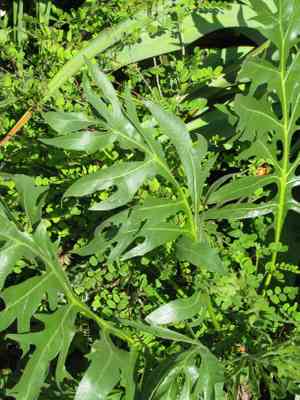
The most favorable period to relocate compassplant is in the temperate phases of late spring or early summer, as moderate warmth aids root integration. Select a bright spot with soil that drains effectively, and guarantee sufficient room for expansion to foster vigorous growth.
What Preparations are Needed Before Transplanting Compassplant?
What is the Ideal Time for Transplanting Compassplant?
The optimal period to move compassplant is from late spring to early summer. This timeframe offers prime growing conditions, facilitating successful establishment and vigorous development. Relocating compassplant during this window ensures it benefits from warm soil, promoting strong root growth before the peak of summer. This strategic timing allows compassplant to strengthen its health, guaranteeing a thriving growth season ahead.
How Much Space Should You Leave Between Compassplant Plants?
Ensure compassplant has adequate room! For optimal development, maintain a distance of 2-3 feet (60-90 cm) between each plant. This provides your compassplant sufficient space to flourish!
What is the Best Soil Mix for Compassplant Transplanting?
Compassplant thrives in rich, deep, and well-drained soil. A few weeks prior to transplantation, amend your garden soil with a nutrient-rich base fertilizer and confirm it contains ample organic matter to support your plant.
Where Should You Relocate Your Compassplant?
Locate a sunny spot for your compassplant! These plants require full sun exposure, so select an area that receives abundant sunlight throughout the day. This will ensure your compassplant achieves its healthiest state.
What Equipments Should You Prepare Before Transplantation Compassplant?
Gardening Gloves
Crucial for safeguarding your hands from dirt, sharp implements, and plant thorns during the transplanting process.
Shovel or Spade
These are necessary for excavating the compassplant from its original spot and digging a new hole at the transplantation site.
Watering Can or Hose
To hydrate the compassplant before and after relocation. The gentle flow from a watering can or hose can also help settle the soil around the plant in its new position.
Garden Trowel
A smaller tool like this is useful for gently separating roots in small containers or trays and filling in around the plant's base once it's in the ground.
Wheelbarrow or Container
For moving the compassplant from its initial location to the new spot.
Garden Fork
Helpful for loosening the soil in the transplantation hole, allowing compassplant roots to establish more easily.
Bone Meal Fertilizer
Compassplant benefits from a slow-release, organic-based fertilizer such as bone meal. Mix this into the excavated soil before refilling the hole.
How Do You Remove Compassplant from the Soil?
How Do You Remove Compassplant from the Soil?
From Ground: Begin by watering the compassplant, as moist soil will facilitate the removal process. Using a shovel or spade, dig a wide circle around the plant to a depth that will accommodate the majority of the root system. This depth varies by plant, but generally, aim for about 8-12 inches deep. Once the circle is complete, gently pry under the root ball, lifting the plant from its location.From Pot: Water the compassplant to saturate the root ball. Turn the pot on its side, then tap the rim on a firm surface to loosen the root ball. Support the plant with one hand, and use your other hand to carefully remove the pot. Avoid pulling on the plant's stem to extract it.From Seedling Tray: Ensure the compassplant is watered before you begin. Using a garden trowel or a transplanting tool, push it into the soil beneath the seedling to lift it. Handle the seedlings by their leaves, not their stems, which are easily damaged.
Step-by-Step Guide for Transplanting Compassplant
Digging the Hole
Excavate a hole that is twice as wide and nearly as deep as the compassplant root ball. Incorporate bone meal into the removed soil.
Putting the Plant in the Hole
Position the plant in the center of the hole. The top of the root ball should be slightly above or level with the soil surface.
Planting
Backfill the hole with the soil you've enriched with bone meal. Firm the soil around the base of the compassplant.
Watering
Thoroughly water the compassplant to settle the soil and eliminate any air pockets.
Staking (If Necessary)
If compassplant is a species prone to toppling or if your location experiences strong winds, consider staking the plant until it is well-established.
How Do You Care For Compassplant After Transplanting?
Watering
Ensure the compassplant receives ample water, especially during dry periods for the first year post-planting. While compassplant is generally drought-tolerant once mature, it will require consistent irrigation to get established.
Weeding
Keep the area around the compassplant free of weeds, which compete for water and nutrients. A thick layer of organic mulch can help suppress weeds and retain soil moisture.
Inspecting
Regularly examine the compassplant for indications of pests or diseases. Early detection can aid in addressing the issue before it becomes severe.
Pruning
Remove any dead or dying foliage to maintain the plant's appearance and prevent the spread of diseases.
Troubleshooting Common Issues with Compassplant Transplantation.
When is the best time to transplant compassplant?
The ideal transplantation period for compassplant is during the late spring to early summer. This is when the plant is most capable of adapting to new environments.
What distance should I keep between compassplant when I'm transplanting them?
Provide compassplant with ample room to grow -- approximately 2-3 feet (0.6-0.9 meters) between each plant. This allows for optimal growth and development.
What type of soil is best for compassplant during transplantation?
Compassplant prefers well-drained soil, rich in organic matter. If your soil is clay or sandy, consider amending it with compost or other organic material to improve its texture before transplanting.
Should I prune compassplant before transplanting?
Yes, pruning compassplant before transplanting can help the plant direct its energy towards root development. Remove about a third of the plant's top growth, focusing on dead or diseased areas.
How deep should I plant compassplant when I'm transplanting?
When transplanting compassplant, the root ball should be planted at the same level it was in its previous location. Planting too deep can lead to root rot, while too shallow can cause drying out.
How should I water compassplant after transplantation?
Water compassplant generously after transplantation, ensuring the entire root zone is moist. Following the initial watering, maintain a consistent watering schedule, avoiding both overwatering and allowing the plant to dry out.
Should I use fertilizer when transplanting compassplant?
While not mandatory, you can provide an initial nutrient boost by adding a slow-release fertilizer when transplanting compassplant. This promotes root growth and helps the plant establish more quickly.
What should I do if the leaves of compassplant turn yellow after transplantation?
Yellow leaves indicate stress, often due to changes in light or moisture conditions. Check the watering schedule and soil drainage, and adjust as needed. If the problem persists, consider a soil nutrient test.
What is the process of preparing the transplantation hole for compassplant?
Prepare a hole that is twice as wide and of the same depth as the root ball of compassplant. This provides ample space for the roots to spread and fosters strong plant growth.
Can I transplant compassplant in a pot?
Certainly! However, ensure that the pot is large enough to accommodate growth and has sufficient drainage to prevent waterlogging. Don't forget the 2-3 feet (0.6-0.9 meters) spacing rule if you plan on multiple pots.



