The Compassplant Plant Advantage: Maximizing Home and Office Appeal and Wellness
1
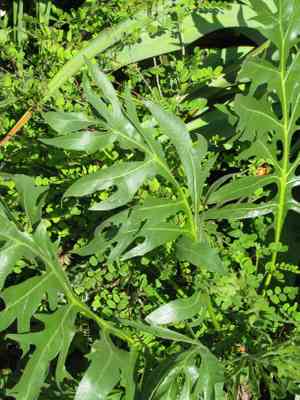
Compassplant is recognized for its unique vertical foliage that aligns itself north-south.
2
This plant offers natural environmental advantages for pollinating insects.
3
Compassplant tolerates dry conditions and enhances the aesthetic appeal of any garden.
What is Compassplant?
Distinctive Features
Compassplant is notable for its unique leaves. Its large, deeply cut foliage stands upright and, unlike most plants, aligns itself north-south. This 'compass orientation' is a natural adaptation that reduces sun exposure and prevents overheating, making it ideal for sunny areas.
Growth Conditions
Compassplant thrives in full sun and adapts well to various soil types, though it prefers well-drained soil. Its deep taproot system allows it to access moisture from deeper soil layers, making it very resilient during dry periods. This makes Compassplant a low-maintenance choice for gardens prioritizing water conservation.
Ecological Benefits
Attracting Pollinators
Compassplant produces bright yellow flowers in summer, drawing in bees, butterflies, and other pollinators. These blossoms offer a vital nectar source, supporting pollinator populations essential for maintaining biodiversity.
Habitat for Wildlife
Beyond pollinators, the plant's sturdy structure provides refuge for various beneficial insects and small birds. This can foster a balanced ecosystem in your garden, as these insects often help manage pest populations.
Why Choose Compassplant for Your Garden?
Aesthetically Pleasing
With its tall stems and vibrant blooms, Compassplant enhances the visual appeal of any garden. Its distinctive leaf alignment creates an unusual yet attractive pattern, setting it apart from other garden flora.
Low Maintenance
A key advantage of Compassplant is its minimal care requirements. Once established, it needs little watering and resists most pests and diseases. This makes it an excellent option for gardeners seeking to reduce upkeep time while still enjoying a lush and lively garden.
How to Cultivate Compassplant Effectively?
Planting Guidelines
Sow Compassplant seeds in early spring for optimal results. Ensure they are placed in a spot that receives ample sunlight and has well-drained soil. Due to its deep root system, it's best to plant it in a permanent location with plenty of room to expand.
Care Tips
Though drought-tolerant, Compassplant should be watered regularly during its initial growing season to establish a robust root system. Mulching around the base can help retain soil moisture and suppress weeds. As the plant matures, it will require less attention, largely thriving on natural rainfall.
Common Challenges and Solutions
Pests and Diseases
Compassplant is generally resistant to pests and diseases, but it may occasionally face issues like powdery mildew or aphids. Organic treatments and good garden hygiene typically keep these problems under control.
Growth Issues
Given its height, Compassplant can be susceptible to wind damage. Planting it near a windbreak or providing structural support can mitigate this concern. Additionally, avoid excessive fertilization, as this can lead to overly lush growth that may be more prone to damage.
How Does Compassplant Contribute to Sustainable Gardening?
Water Conservation
The drought-resistant nature of Compassplant means it requires less water than other garden plants, making it an excellent choice for sustainable gardening practices. This trait aids in water conservation, especially in areas prone to dry spells.
Soil Health
Compassplant's deep roots help break up compacted soil layers, improving soil structure and aeration. This can boost the overall health of your garden's soil, fostering better growth conditions for other plants as well.



