How to Propagate Compassplant?
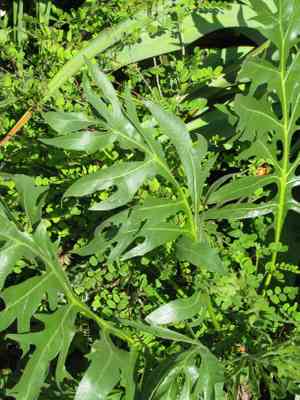
Compassplant flourishes when reproduced via seeding. For best outcomes, plant the seeds directly into adequately draining earth in a sun-exposed spot. They require ample spacing to accommodate their full dimensions, as compassplant can become sizable and needs space to spread. Keep the soil consistently damp, yet not oversaturated, throughout the germination phase to encourage robust root formation.
What Is the Best Time To Propagate Compassplant?
Propagation Type
Sowing
Propagation Season
Spring
What Tools Are Used in Compassplant Propagation?
Seed trays
Used for starting seeds in a controlled setting, seed trays are vital for compassplant's initial growth. They allow for even seed distribution, crucial for germination by ensuring each seed has adequate room and resources. Their compact design optimizes space while providing an organized area for seed development.
Soil mix
A premium soil blend is essential for delivering the required nutrients and proper drainage for compassplant. A combination of loamy soil, compost, and perlite or sand encourages robust root growth and prevents waterlogging, which is critical for compassplant's germination.
Watering can with a fine rose
This implement is crucial for gently irrigating compassplant without dislodging seeds or eroding the soil. The fine rose attachment distributes water uniformly, mimicking light rain, which helps keep the soil moist without compaction or exposing seeds.
Heat mat
A heat mat promotes effective germination by maintaining a consistent soil temperature, a key factor especially in cooler climates or during colder months. This is particularly beneficial for compassplant, which needs warm conditions for optimal germination.
Grow lights
When natural light is insufficient, grow lights provide the necessary light spectrum for compassplant's development. They ensure seedlings receive enough light for photosynthesis, critical in the absence of adequate sunlight, especially indoors or during shorter winter days.
How to Propagate Compassplant?
Propagation Type
Easy
How to Care for Your Newly Propagated Compassplant?
How to Care for Your Newly Propagated Compassplant?
After propagation, compassplant needs full sun and well-drained soil to flourish. It is drought-tolerant once established, so water sparingly but deeply during extended dry periods. Fertilization is generally not required; however, an annual compost application can support healthier growth. Staking may be necessary for support as the plant grows tall. Monitor for pests or diseases and manage as needed to maintain plant health.
Common Mistakes to Avoid When Propagating Compassplant
Excessive water application
Overwatering is a critical error that can cause root rot in compassplant, which prefers drier conditions for optimal growth. Excessive moisture hinders effective root aeration, leading to reduced plant vitality and increased susceptibility to diseases.
Planting depth error
Planting compassplant's seeds or young plants too deeply can impede proper germination and early growth stages due to insufficient light and air exposure. This practice can result in weakened plants that may not survive.
Ignoring soil type
Using an unsuitable soil mix, specifically one that retains too much moisture or lacks sufficient nutrients, can hinder the healthy development of compassplant's deep taproot system. Poor soil conditions can stunt growth and reduce overall propagation success.
Overcrowding plants
Placing compassplant too close together during planting can lead to competition for light, space, and nutrients, negatively impacting growth and development. This can diminish the overall health and vigor of the plants.
Tips For Propagating Compassplant
Soil preparation
Ensure the use of well-draining soil enriched with organic matter. This helps support compassplant's deep root system, improves moisture retention while preventing waterlogging, and provides necessary nutrients promoting robust growth.
Proper seeding depth
Sow compassplant's seeds shallowly, just covering them with a thin layer of soil. This placement aids in proper germination and access to sunlight, essential for the plant's early developmental stages.
Spacing considerations
Space plants or seeds adequately apart to minimize resource competition. Sufficient spacing ensures better air circulation, reduces the risk of disease transmission, and supports healthy growth of individual plants.
Water management
Water compassplant moderately, especially during extended dry spells, to support its growth without causing waterlogging. Pay attention to the soil moisture level regularly, ensuring it is dry a few inches down before watering again.



