How to Prune Compassplant?
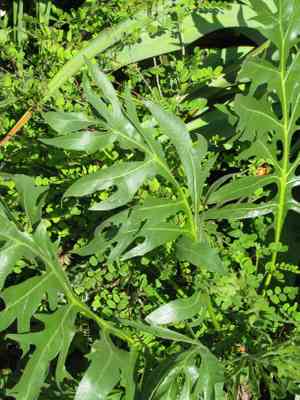
Distinguished by its lofty, heliotropic leaves, compassplant is optimally trimmed in the latter part of spring or early summer. Eliminate withered or compromised foliage to stimulate development. Truncating the upper third following flowering fosters a more compact form. Exercise restraint when pruning, as compassplant generally demands little upkeep. Consistent trimming contributes to the plant's well-being and accentuates its distinctive leaf alignment.
What Are the Benefits of Pruning Compassplant?
What Are the Benefits of Pruning Compassplant?
Trimming compassplant encourages robust development and maintains a desired shape. Strategic cutting back can stimulate new shoots, boosting the plant's vigor, while shaping controls size for visual appeal and garden harmony.
What Is the Best Time for Pruning Compassplant?
What Is the Best Time for Pruning Compassplant?
Pruning compassplant in late winter or early spring, just before new growth emerges, is most advantageous for the plant's well-being. During this period, compassplant remains dormant, which minimizes stress and lowers the risk of disease entering pruning wounds. This timing allows gardeners to clearly observe the plant's structure, simplifying decisions on which stems to remove. Furthermore, pruning before the start of spring growth ensures that energy stored in the roots during dormancy is directed into the development of new, healthy growth rather than supporting unnecessary or damaged branches. It also prevents disruption of the plant's flowering cycle, as compassplant typically blooms in summer; pruning after flowering risks removing developing seed heads crucial for the plant's reproduction. Pruning in late winter to early spring promotes a strong display of foliage and preserves the plant's natural form and vitality.
What Tools Do I Need to Prune Compassplant?
Bypass Pruners
Perfect for making precise cuts on smaller stems and branches of compassplant, bypass pruners inflict less harm on plant tissues. They should be utilized for accurate trimming of the plant's stems up to approximately half an inch in diameter.
Loppers
Featuring long handles and robust blades, loppers are ideal for reaching into the dense foliage of compassplant and cutting through thicker stems that exceed the capacity of bypass pruners, typically up to 1.5 inches in diameter.
Pruning Saw
For mature compassplant plants with thick, woody stems and branches exceeding 1.5 inches in diameter, a pruning saw is essential. It enables cutting larger growth without harming surrounding stems.
Garden Shears
For shaping and trimming the foliage of compassplant, especially during the active growing season when the plant can become quite bushy, garden shears are useful for snipping off smaller growth and maintaining plant form.
How to Prune Compassplant
Disinfect tools
Before pruning compassplant, clean and sanitize all pruning implements to prevent disease spread. Use a solution of 1 part bleach to 9 parts water or rubbing alcohol to wipe down the blades.
Remove diseased leaves
Carefully inspect compassplant for any diseased foliage. Using your disinfected tools, snip these leaves off at their base where they meet the stem, avoiding any healthy tissue.
Trim withered leaves
Identify withered or dead leaves on compassplant, which may appear dry and brown. Gently remove them by hand if they detach easily or use your pruners to cut them at the base.
Prune diseased stems
Locate stems on compassplant that exhibit signs of disease, such as discoloration or unusual growths. Cut these stems back to a healthy section, ensuring the cut is just above a leaf node or bud.
Clean up
Once pruning is finished, gather all removed plant material and dispose of it properly to prevent disease spread. Clean your tools again and monitor compassplant for new growth.
Common Pruning Mistakes with Compassplant
Over-pruning
Removing too much foliage from compassplant can diminish its ability to photosynthesize, weakening the plant and potentially leading to its demise.
Improper cuts
Making jagged or torn cuts can cause undue stress to compassplant and leave it vulnerable to infections and pests.
Removing healthy tissue
Cutting away healthy leaves and stems can hinder compassplant's growth rather than promoting it, as the plant may require time to recover from unnecessary cuts.
Pruning without sterilizing tools
Using unsterilized tools may introduce pathogens to the fresh cuts of compassplant, increasing the risk of disease.
Ignoring plant structure
Failing to consider the natural growth pattern and structure of compassplant when pruning can result in a loss of the plant's aesthetic form and potential exposure of tender new growth to environmental stressors.
Common Pruning Tips for Compassplant
Selective thinning
Thin out crowded areas to enhance air circulation and light penetration, ensuring that compassplant maintains its natural shape and produces vigorous, healthy growth.
Sharp tools
Always use sharp, clean pruning shears or scissors to make precise cuts that compassplant can heal from more effectively.
Prune for health
Remove only dead, diseased, or weak stems to prevent the spread of decay and to strengthen the overall plant structure of compassplant.
Angle cuts away from buds
Cut at a 45-degree angle approximately 1/4 inch above buds facing the outside of the plant. This encourages outward growth and reduces the likelihood of water damage to the new buds on compassplant.
Follow growth patterns
Observe and adhere to the natural growth patterns of compassplant to maintain its architectural integrity and ensure that pruning enhances its inherent form and beauty.



