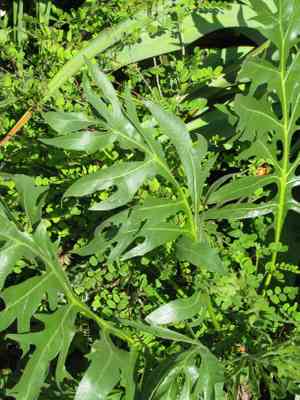
Compassplant (Silphium laciniatum)
Also known as: Prairie Compass Plant, Polarplant, Cut-Leaf Silphium, Robinson's Compass Plant
Silphium laciniatum, often known as compass plant, is a perennial herb indigenous to North America. This plant, also called prairie compass plant, pilotweed, polarplant, gum weed, cut-leaf silphium, and turpentine plant, is frequently grown in gardens for its unique foliage and vibrant yellow blooms.
In This Article
Attributes of Compassplant
Lifespan
Perennial
Plant Type
Herb
Plant Height
91 cm to 1.8 m
Spread
1 m
Leaf Color
Green
Flower Size
2.5 cm to 15 cm
Flower Color
Yellow
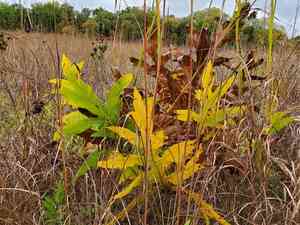
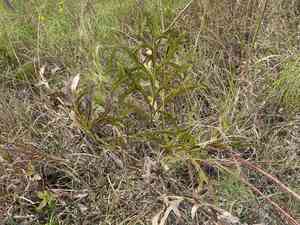
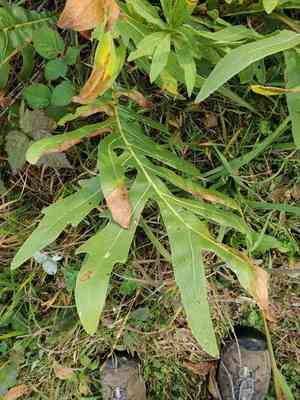
Images of Compassplant
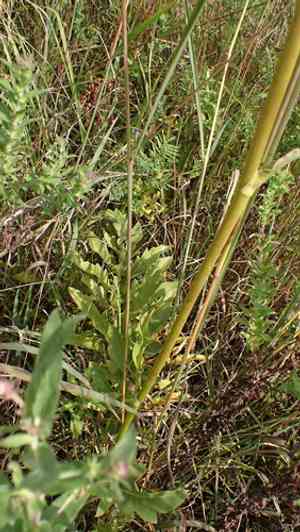
Quickly Identify Compassplant
1
Look for a tall, robust plant with deeply lobed leaves that often align north-south to minimize sun exposure. The flowers resemble sunflowers with bright yellow petals and can be up to several inches in diameter.
Scientific Classification of Compassplant
Phylum
Vascular plants
Class
Dicotyledons
Order
Asterales
Family
Daisy
Genus
Rosinweeds
Species
Compassplant
Planting and Growing of Compassplant
Care Difficulty
Easy
Watering Schedule
Every 3 days
Sunlight Requirements
Full sun
Sunshine Duration
6-10 hours
Ideal Temperature
60-80℉
Soil Type
Potting Mix, Peat Mix
Soil pH
6.5-7.5
Fertilizer Type
Balanced
Pruning Season
Spring, Summer
Pruning Area
Branches, Leaves
Pruning Frequency
2 times a year
Repotting Season
Spring
Pot Type
Plastic, Ceramic
 How to Water Compassplant?
For Silphium laciniatum, also known as Compass Plant, the ideal watering amount is around 500 ml per session. This ensures that the water reaches deep into the root system but does not remain stagnant. The goal is to moisten the soil evenly while avoiding oversaturation that could lead to root rot.
What are the symptoms of an underwatered Compassplant?
›
What should I do if my Compassplant is not getting enough water?
›
What are the symptoms of an overwatered Compassplant?
›
How to save an overwatered Compassplant?
›
 What Are the Sunlight Requirements for Compassplant?
Silphium laciniatum ideally suits full sun environments, enduring 6 to 8 hours of sunshine daily. Ideal lighting ensures maximum photosynthesis rates, leading to better growth, healthier plants, and vibrant flowering, supporting garden biodiversity.
More About Sunlight Requirements Techniques→
What amount of sunlight does Silphium laciniatum require?
›
How can I ensure Silphium laciniatum gets the ideal lighting?
›
What are the benefits of Silphium laciniatum receiving optimal sunlight?
›
 What Is the Ideal Temperature Range for Compassplant?
Silphium laciniatum thrives best within the temperature range of 60 to 80 degrees Fahrenheit. This range provides the ideal thermal conditions for its growth processes, including photosynthesis and nutrient uptake. Maintaining this range encourages robust stem and leaf development, as well as optimal flowering.
 What Soil is Best for Compassplant?
Silphium laciniatum thrives in soil with excellent drainage. Well-drained soil prevents root rot and other diseases, allowing the roots to access oxygen more effectively. This promotes healthy growth and vigor. While it needs well-drained soil, a balance with moisture retention helps Silphium laciniatum sustain growth during dry periods. Sandy loam offers this balance, ensuring efficient water absorption without waterlogging. This plant benefits from a substrate rich in organic matter. Such conditions supply essential nutrients for robust growth and contribute to the soil structure, enhancing water and nutrient absorption capabilities.
 How to Fertilize Compassplant?
For Silphium laciniatum, use a balanced fertilizer with equal parts nitrogen, phosphorus, and potassium. Apply 1/2 cup of granular fertilizer per plant during the growing season. Ensure the soil is lightly moist when applying to avoid root burn.
 How to Prune Compassplant?
Start by removing any dead, diseased, or damaged stems. This prevents the spread of disease and allows the plant to channel energy into healthy growth. Trim back excessively long stems to maintain a balanced shape. Use guided cuts to encourage attractive growth patterns, enhancing the plant's natural form. For more prolific blooming, prune faded flowers or flower stalks. This process, known as deadheading, ensures the plant focuses on producing new blossoms rather than seeding.
More About Pruning Techniques→
 How to Propagate Compassplant plant?
1
Collect seeds from mature Silphium laciniatum plants during the late summer or early autumn when the seed heads have dried. Ensure that the seeds are fully developed and have a brownish color.
2
Silphium laciniatum seeds require a cold stratification period to break dormancy. Place the seeds in moist sand or sphagnum moss and store them in a refrigerator for at least 60 days.
3
Sow the stratified seeds in a prepared seed tray filled with a well-draining potting mix. Cover lightly with soil and keep the tray in a warm area with indirect sunlight until germination occurs.
 How to Repot Compassplant plant?
1
To determine when Silphium laciniatum needs repotting, observe for roots protruding from the drainage holes or sluggish growth. These are clear signals that the plant has outgrown its current home and requires a bigger pot.
2
When selecting a pot for Silphium laciniatum, ensure it is slightly larger than the current one with good drainage holes. A pot that’s too large can result in overwatering, while too small a pot will restrict growth.
3
Opt for a well-draining sandy loam. This soil type ensures good drainage, preventing root rot, while providing ample nutrients for optimal growth. Its texture promotes healthy root aeration, essential for a vibrant plant.
Learn More About Compassplant Diseases
Anthracnose
Bacterial Leaf Spot
Chemical Injury
Crown Gall
Cyst Nematode
Damping-off
Downy Mildew
Drought Stress
Fusarium Wilt
Gray Mold
Leaf Spot
Mosaic
Nutrient Deficiency
Nutrient Toxicity
Powdery Mildew
Root Rot
Root-knot Nematode
Rusts
Sooty Mold
Spider Mites
Temperature Stress
Thrips Damage
White Mold



