How to Transplant Nodding catchfly?
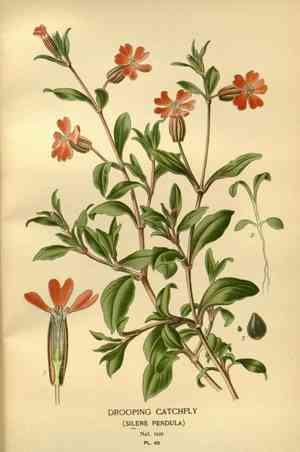
The most favorable period for relocating nodding catchfly is in the spring, as the mild temperatures and adequate soil dampness facilitate root development. Select a site that receives full sun to partial shade and possesses good drainage. Exercise caution during handling to safeguard the fragile root system.
What Preparations are Needed Before Transplanting Nodding Catchfly?
What is the Ideal Time for Transplanting Nodding Catchfly?
The optimal period for relocating nodding catchfly is during spring's awakening, as warmer soil and moderate temperatures promote root establishment, giving nodding catchfly a strong start. Moving nodding catchfly at this time leverages the full potential of the growing season, setting the stage for vibrant blooms and robust development. A supportive, nurturing window for nodding catchfly, ensuring a smooth transition and thriving in its new setting. Undertake the transplant process systematically, preparing the ground for nodding catchfly's success with the gentleness of spring care.
How Much Space Should You Leave Between Nodding Catchfly Plants?
Start by providing each nodding catchfly plant ample room: 1-2 feet (30-60 cm) between each plant is ideal. This allows them to grow healthily without competing for space. It's an excellent initial step toward successful gardening!
What is the Best Soil Mix for Nodding Catchfly Transplanting?
Next, prepare the soil. Nodding catchfly thrives in well-drained, fertile soil. Enhance it with organic matter for a solid foundation. A balanced fertilizer, such as 10-10-10, will supply essential nutrients. This prepares the environment for your nodding catchfly to flourish.
Where Should You Relocate Your Nodding Catchfly?
For the perfect spot, position nodding catchfly where they will receive full sun or partial shade. Their adaptability to various light levels simplifies finding a suitable location. Congratulations, you're well on your way to becoming a successful garden expert!
What Equipments Should You Prepare Before Transplantation Nodding Catchfly?
Gardening Gloves
To safeguard your hands while handling soil and nodding catchfly.
Shovel or Trowel
A suitable implement for excavating the plant and preparing the new planting site.
Garden Hose or Watering Can
Used to hydrate the soil before transplanting and afterward to help nodding catchfly settle into its new spot.
Mulch
To cover the soil post-transplant, protecting the roots of nodding catchfly from temperature shifts and retaining moisture.
Organic Fertilizer
Required to enrich the soil with vital nutrients and encourage vigorous growth after relocation.
How Do You Remove Nodding Catchfly from the Soil?
How Do You Remove Nodding Catchfly from the Soil?
From Ground: Begin by watering the nodding catchfly plant to moisten the surrounding soil. Take your shovel and start digging a wide circle around the plant, ensuring the root ball remains undisturbed. Gradually work the shovel beneath the root ball, and carefully lift the nodding catchfly plant. It's crucial to keep the root ball and surrounding soil intact during this process.From Pot: If nodding catchfly is in a pot, watering beforehand will facilitate removal. Gently invert the pot and tap it to loosen nodding catchfly. Continue supporting the plant's base to prevent damage as it slides out.From Seedling Tray: For seedlings, water the tray first to minimize root disturbance, then carefully lift nodding catchfly from its cell using a dibber or a pencil tip.
Step-by-Step Guide for Transplanting Nodding Catchfly
Ground Preparation
Prepare the new planting area by digging a hole twice the size of the nodding catchfly's root ball. Loosen the soil at the bottom and sides of the hole.
Transfer
Carefully place nodding catchfly into the prepared hole. The top of the root ball should be level with or slightly above the soil surface.
Replanting
Fill the hole with soil, ensuring no air pockets remain around the roots of the nodding catchfly. After filling, gently press the soil around the base to firm it.
Watering
Thoroughly soak the area soon after replanting. The soil should be moist but not waterlogged.
How Do You Care For Nodding Catchfly After Transplanting?
Fertilization
Two weeks after transplanting, nourish nodding catchfly with organic fertilizer, which will replenish nutrients depleted during the transplantation process.
Weeding
Regular weeding will ensure that nodding catchfly is not competing for resources with undesirable plants.
Weather Watch
Especially during the initial weeks, shield nodding catchfly from harsh weather conditions. If freezing nights are predicted, cover young plants to protect them.
Pruning
Pruning nodding catchfly will encourage denser growth and potentially increase flower production.
Troubleshooting Common Issues with Nodding Catchfly Transplantation.
What's the best season to transplant nodding catchfly?
Spring to early summer is ideal for relocating nodding catchfly. This aligns with its active growth phase.
How much distance should I keep between nodding catchfly plants while transplanting?
Ensure a minimum spacing of 1-2 feet (30-60 cm) between each nodding catchfly plant. This promotes good air circulation and prevents diseases.
Do nodding catchfly plants need specific soil requirements for successful transplantation?
Nodding catchfly prefers well-draining soil. It's beneficial to mix some compost into the soil, as this will enrich it with necessary nutrients.
What is the ideal planting depth for nodding catchfly during transplantation?
Nodding catchfly should be planted at the same depth they were previously growing, typically around 2 inches (5 cm).
How to water nodding catchfly properly after transplanting?
Water nodding catchfly thoroughly after transplanting. Keep the soil moist, but avoid waterlogging, which can lead to root rot.
What to do if my transplanted nodding catchfly plant wilts?
Wilting after transplant is common. Ensure the plant is adequately watered and placed in an area with appropriate light; it should recover.
Should I add any fertilizers while transplanting nodding catchfly?
A slow-release organic fertilizer can be added to the transplanting site to provide a nutrient boost to the young nodding catchfly plants.
What location is best for transplanted nodding catchfly?
Nodding catchfly thrives in full sun to partial shade. Try to find a spot that receives at least 6 hours of sunlight daily.
How to care for nodding catchfly post-transplanting?
Keep the soil moist, position the plant where it gets ample sunlight, and add a layer of mulch to maintain soil temperature and moisture.
Should I prune nodding catchfly after transplanting?
Pruning is not necessary immediately after transplanting. However, pinching back the stems will encourage bushier growth in nodding catchfly.



