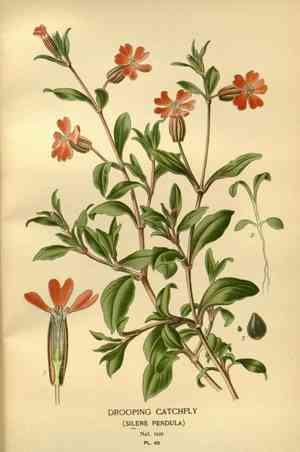
Nodding catchfly (Silene pendula)
Also known as: Nodding Catchfly, Pendant Catchfly
Nodding catchfly, also known as *Silene nutans*, is a cascading dicot frequently utilized in hanging baskets and for draping over walls. This frost-hardy biennial thrives in disturbed areas in the wild. Its name comes from its distinctive 'nodding' flower heads, which use sticky seed pods to trap small insects.
In This Article
Attributes of Nodding catchfly
Lifespan
Annual, Biennial
Plant Type
Herb
Plant Height
25 cm
Spread
25 cm
Leaf Color
Green Blue
Flower Size
2.5 cm
Flower Color
Pink White Purple
Images of Nodding catchfly
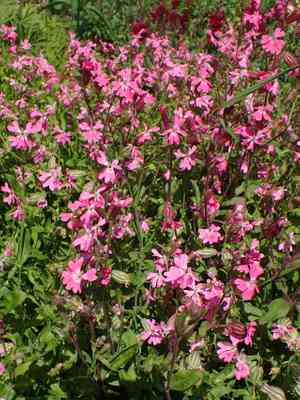
Quickly Identify Nodding catchfly
1
This plant can be identified by its wiry, nodding stems and lanceolate leaves. The flowers are bilobed, with petals that have a fringed or forked appearance.
Scientific Classification of Nodding catchfly
Phylum
Vascular plants
Class
Dicotyledons
Order
Caryophyllales
Family
Pink
Genus
Campions
Species
Nodding catchfly
Planting and Growing of Nodding catchfly
Care Difficulty
Easy
Watering Schedule
Every 3 days
Sunlight Requirements
Full sun
Sunshine Duration
4-8 hours
Ideal Temperature
60-75℉
Soil Type
Potting Mix, Peat Mix
Soil pH
6.5-7.5
Fertilizer Type
Balanced
Pruning Season
Spring, Summer
Pruning Area
Branches, Leaves
Pruning Frequency
2 times a year
Repotting Season
Spring
Pot Type
Plastic, Ceramic
 How to Water Nodding catchfly?
Silene pendula prefers even soil moisture, but it's important not to overdo it. A good rule of thumb is to water until the top 2-3 cm of soil feels damp but not drenched. Ensure excess water drains properly to prevent root rot.
What are the symptoms of an underwatered Nodding catchfly?
›
What should I do if my Nodding catchfly is not getting enough water?
›
What are the symptoms of an overwatered Nodding catchfly?
›
How to save an overwatered Nodding catchfly?
›
 What Are the Sunlight Requirements for Nodding catchfly?
Partial to full sun is ideal. Sufficient sunlight ensures robust growth and vibrant blooms, critical for this ornamental plant’s distinct visual appeal.
More About Sunlight Requirements Techniques→
What is the best type of sunlight for Silene pendula?
›
How can Silene pendula be protected from excessive sunlight?
›
What benefits does the plant receive from optimal light conditions?
›
 What Is the Ideal Temperature Range for Nodding catchfly?
For optimal growth of Silene pendula, maintaining an environment between 60°F and 75°F is ideal. This range provides a balance of warmth while avoiding excessive heat, which can hinder its growth. By keeping the temperature within this bracket, you can ensure the plant receives the right climate for development, promoting healthy blooms and robust foliage.
 What Soil is Best for Nodding catchfly?
Silene pendula appreciates soil that doesn't retain excess moisture, preventing root rot and fungal diseases. Well-draining loam or sandy loam ensures roots can breathe. With an optimal pH range of 6.5 to 7.5, this plant thrives in slightly alkaline soil, aiding nutrient availability and root development. Providing nutrient-rich soil fosters vigorous growth and plentiful blooms. Compost and organic matter improve soil fertility and structure.
 How to Fertilize Nodding catchfly?
When fertilizing Silene pendula, use a balanced, water-soluble fertilizer diluted to half its strength. This ensures the plant receives essential nutrients without the risk of root burn, supporting healthy growth and vibrant blooms.
 How to Prune Nodding catchfly?
Begin by identifying any dead, diseased, or damaged foliage, and remove these first to prevent any spread of disease. Follow up by trimming back any leggy stems or overly dense areas to maintain an even shape. Use sharp, clean shears to make clean cuts just above a leaf node. This encourages healthy growth and robust flowering. Consider pinching back the tips of the stems to further promote branching and fuller growth.
More About Pruning Techniques→
 How to Propagate Nodding catchfly plant?
1
Sow the seeds of Silene pendula in a seed tray filled with seed-starting soil. Keep the soil moist and place the tray in a warm spot with indirect sunlight. Germination typically occurs within 2-3 weeks.
2
Select healthy stems and use a sterilized sharp cutting tool to cut them just below a node. Remove the lower leaves and dip the cut end in rooting hormone before planting it in a potting mix.
3
Once seedlings have developed at least two sets of true leaves, they can be carefully transplanted into larger pots or directly into the garden, maintaining consistent moisture levels.
 How to Repot Nodding catchfly plant?
1
For Silene pendula, the signals that it's time to repot include roots coming out of the drainage holes or the plant seeming crowded within its container. It's best to repot in spring or autumn.
2
Choose a pot that is one size larger than the current one, with a drainage hole to prevent waterlogging. A slightly bigger pot allows space for growth while avoiding excess soil that retains too much moisture.
3
Select a well-draining potting mix. This type of soil ensures efficient drainage and prevents root rot, maintaining the plant's health by allowing excess water to easily escape.
Learn More About Nodding catchfly Diseases
Anthracnose
Bacterial Leaf Spot
Bacterial Soft Rot
Bacterial Wilt
Black Spot
Chemical Injury
Crown Gall
Cyst Nematode
Damping-off
Downy Mildew
Drought Stress
Fusarium Wilt
Gray Mold
Leaf Spot
Mosaic
Nutrient Deficiency
Nutrient Toxicity
Powdery Mildew
Root Rot
Root-knot Nematode
Rusts
Sooty Mold
Spider Mites
Temperature Stress
Thrips Damage
White Mold



