Enhancing Your Garden Design with the Nodding catchfly Plant: A Landscaping Guide
1
Nodding catchfly fits well into both classic and contemporary garden designs.
2
Nodding catchfly's bright hues can enhance diverse garden aesthetics.
3
Adequate spacing and care are crucial for Nodding catchfly's robust development.
Appreciating the Visual Charm of Nodding Catchfly
Discovering the Distinctive Visual Qualities of Nodding Catchfly
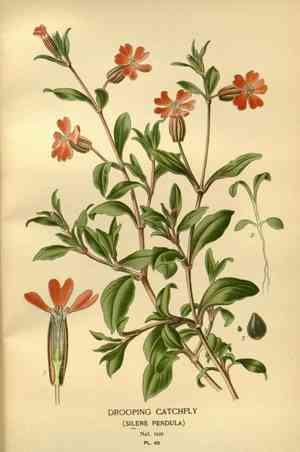
Nodding catchfly's visual appeal comes from its unique characteristics. This plant is known for its elegant, drooping flowers, which can bring a touch of grace to any garden. The blossoms typically appear delicate, with soft petals creating a charming, almost whimsical effect. Furthermore, the plant's overall structure, featuring slender stems and rich green leaves, enhances its attractiveness by offering a natural, flowing look that can soften the more rigid lines of a cultivated area.
How Nodding Catchfly's Hues Enhance Various Garden Designs
Nodding catchfly offers a spectrum of vivid colors, including pink tones, providing visual interest throughout its flowering period. These colors can complement diverse landscape themes, from the lush, colorful designs of cottage gardens to more minimalist, contemporary settings. The plant's ability to integrate seamlessly with various color schemes allows for creative garden planning, whether you aim for a harmonious blend or a striking contrast.
Integrating Nodding Catchfly into Different Garden Styles
Optimal Environments for Nodding Catchfly: From Rustic Gardens to Modern Designs
Nodding catchfly is remarkably adaptable, making it suitable for a wide range of landscape styles. In traditional cottage gardens, its delicate flowers and natural form perfectly match the informal, charming aesthetic. Meanwhile, in modern landscapes, Nodding catchfly can be used to soften geometric shapes and introduce a natural, vibrant element to the design. Its versatility ensures it can serve as a focal point, border plant, or filler within any garden.
Combining Nodding Catchfly with Other Plants for a Unified Look
To achieve a cohesive appearance with Nodding catchfly, consider pairing it with plants that share similar growing conditions and complementary aesthetics. For instance, combining Nodding catchfly with perennials that have bold foliage or contrasting bloom colors can create a balanced and visually appealing garden. Additionally, plants like lavender or ornamental grasses can enhance the textural contrast and overall harmony of your landscape, making Nodding catchfly a versatile choice for mixed plantings.
Practical Advice for Planting Nodding Catchfly
Best Time to Plant Nodding Catchfly for Optimal Development
The ideal time to plant Nodding catchfly is during spring or autumn when temperatures are mild and the soil is easy to work with. Planting during these seasons allows Nodding catchfly to establish its root system before the more extreme temperatures of summer or winter arrive. Ensure the planting site receives ample sunlight, as Nodding catchfly thrives in full sun to partial shade conditions.
Spacing and Placement: Maximizing Beauty and Health
Correct spacing and positioning are crucial for the healthy growth of Nodding catchfly. Space the plants approximately 12 to 18 inches apart to allow sufficient air circulation and prevent overcrowding, which can lead to diseases. Place Nodding catchfly in areas where the soil drains effectively, as waterlogged conditions can impede growth and health. Through thoughtful placement, you can ensure each plant has enough room to flourish and contribute to a beautiful landscape.
Maintaining Nodding Catchfly in Your Garden
Basic Care Tips for Robust Growth
Maintaining Nodding catchfly involves consistent watering, especially during dry periods, to keep the soil evenly moist yet well-drained. A layer of mulch can help retain moisture and regulate soil temperature. Additionally, removing spent blooms encourages more abundant flowering and keeps the plant looking neat. Fertilizing once a season with a balanced fertilizer will support vigorous growth and vibrant blossoms.
Common Issues and Solutions When Cultivating Nodding Catchfly
While generally resilient, Nodding catchfly can encounter challenges such as pests and fungal diseases. Aphids and spider mites are common pests that can be managed with horticultural soap or neem oil. Fungal problems, often caused by poor air circulation and excessive moisture, can be prevented by ensuring proper spacing and avoiding watering the foliage. Regularly inspect plants for any signs of distress and act quickly to address any issues, ensuring a thriving and beautiful landscape feature.



