How to Prune Nodding catchfly?
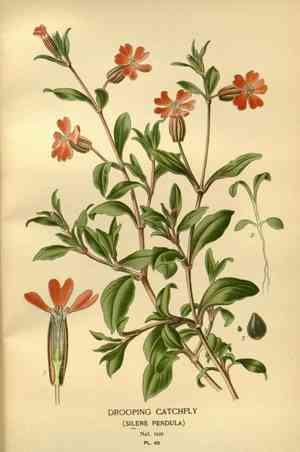
A fragile annual or biennial, nodding catchfly exhibits delightful streams of pink blossoms. To ensure vigorous development and abundant blooms, trim away spent or wilting flowers (deadheading), which stimulates additional flowering and inhibits self-propagation. The ideal time for trimming extends from spring through autumn, coinciding with its blooming phases. Significant advantages of consistent pruning involve preserving an attractive form, fostering strong development, and prolonging the flowering duration of nodding catchfly. Cultivators ought to employ sanitized, sharp implements to avert the spread of pathogens during the trimming procedure.
Advantages of Trimming Nodding Catchfly
Advantages of Trimming Nodding Catchfly
Trimming nodding catchfly promotes robust development and maintains its desired form. Consistent cutting helps prevent congestion, which can result in poor air circulation and illness. It directs the plant's energy towards developing strong stems and abundant flowers.
Optimal Time for Trimming Nodding Catchfly
Optimal Time for Trimming Nodding Catchfly
Trimming nodding catchfly in early spring is recommended as the plant emerges from dormancy. This timing allows gardeners to shape the plant and remove any dead or damaged growth from winter before the rapid spring growth begins. Late summer pruning is best for nodding catchfly after flowering has stopped, helping to encourage a neat habit and potentially stimulate a second bloom. Pruning in the fall is not advised for nodding catchfly as it can stimulate new growth that may not adequately harden off before the first frost, potentially harming the plant.
Necessary Tools for Trimming Nodding Catchfly
Bypass Pruners
Perfect for making clean cuts on nodding catchfly's delicate stems without crushing plant tissue, fostering healthier regrowth.
Gardening Shears
Suitable for shaping and maintaining the compact structure of nodding catchfly, allowing precise cuts to remove spent blooms and encourage further flowering.
Garden Scissors
Useful for deadheading and trimming nodding catchfly, providing accuracy for smaller, more intricate cuts without harming adjacent plants.
Hand Gloves
Protects the gardener's hands from thorns and plant sap while trimming nodding catchfly, ensuring a safer gardening experience.
How to Trim Nodding Catchfly
Clean Tools
Before trimming nodding catchfly, disinfect your pruning shears or scissors to prevent disease spread. Clean them with alcohol or a bleach solution.
Identify
Locate the withered leaves on nodding catchfly that require removal. Look for any leaves that are brown, dry, or showing signs of decay.
Cut
Carefully snip the withered leaves at their base, near the stem of nodding catchfly. Make clean cuts to avoid damaging healthy parts of the plant.
Dispose
Remove and discard the withered leaves away from nodding catchfly to prevent any potential disease from spreading to other plants or back to nodding catchfly.
Inspect
After trimming, examine nodding catchfly for any signs of pests or additional dead material that may have been missed and remove if necessary.
Common Trimming Errors with Nodding Catchfly
Excessive Pruning
Removing too much foliage from nodding catchfly can weaken the plant, leading to reduced vigor and fewer blooms.
Dull Tools
Using blunt or dirty cutting tools can cause damage to the stems of nodding catchfly, potentially leading to disease.
Random Cuts
Trimming nodding catchfly without a clear plan or reason can result in uneven growth and a less attractive appearance.
Incorrect Cut Placement
Cutting too far from a node or too close to the main stem of nodding catchfly may hinder proper healing and lead to stem death.
Neglecting Deadheading
Failing to remove spent flowers from nodding catchfly can prevent the plant from producing new blooms and may lead to self-seeding in undesirable areas.
General Trimming Advice for Nodding Catchfly
Sharp Tools
Use clean, sharp pruning shears to make precise cuts on nodding catchfly, which aids in quick healing.
Prune For Shape
Trim nodding catchfly to maintain its natural form, and encourage a fuller plant with more flowers.
Node Cutting
When shortening stems, cut just above a leaf node or branching point to stimulate nodding catchfly's growth in a desired direction.
Deadheading
Regularly remove faded flowers from nodding catchfly to encourage continuous blooming throughout the growing season.
Thin Out
Thin out crowded areas by selectively removing some stems of nodding catchfly to improve air circulation, reducing the risk of fungal diseases.



