How Much Sunlight Do Nodding catchfly Need?
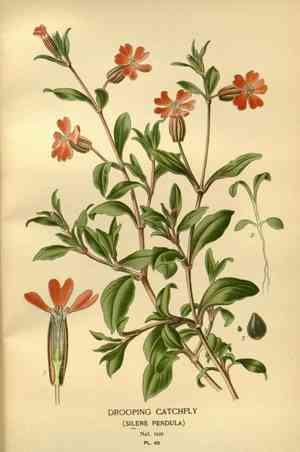
1
Nodding catchfly flourishes with over 6 hours of direct sun each day.
2
It can endure some shade, though this may affect flower production.
3
Excessive sun exposure can cause nodding catchfly to exhibit signs of scorching.
Optimal Sunlight for Nodding Catchfly
Full Sun vs. Partial Shade
Nodding catchfly thrives best with full sun, meaning six or more hours of direct sunlight daily. This level of light encourages robust growth and abundant blooms. While it can endure partial shade (some direct sun plus shade), flowering may be less prolific, and growth less vigorous. Insufficient sunlight can cause the plant to stretch excessively towards light, resulting in an unappealing appearance.
Daily Light Requirements
For a healthy, blooming Nodding catchfly, ensure it gets at least 6 hours of sunlight each day. This doesn't require constant direct sun but a significant portion of the day bathed in natural light. Adequate sun intensity is key, making morning or early afternoon light ideal. Late afternoon sun, though beneficial, might be less potent and thus less effective.
Positioning Nodding Catchfly for Best Sunlight
Indoor vs. Outdoor Placement
Nodding catchfly is typically an outdoor plant, flourishing in natural light. If grown indoors, position it near a south-facing window for maximum light. Ensure no curtains or objects block sunlight during peak hours. Outdoors, choose a garden spot that receives ample daily sunlight. Avoid areas shaded by larger plants or structures that could hinder light penetration.
Selecting the Right Garden Spot
When placing your Nodding catchfly in the garden, pick a location that gets morning to early afternoon sun. An east or southeast exposure can provide this light pattern. Ensure the area has well-drained soil and good air circulation. Also, consider how the sun's angle changes seasonally, as this will affect light conditions in your chosen spot.
Signs of Too Much or Too Little Sunlight for Nodding Catchfly
Symptoms of Sunburn
Sunburn on Nodding catchfly appears as scorched or bleached spots on leaves and flowers. These areas may become dry and brittle, with foliage tips turning brown or black. To prevent this, use shade cloths during peak summer or intense sun periods to diffuse light and protect the plant.
Indications of Insufficient Sunlight
If your Nodding catchfly lacks adequate sunlight, it will show symptoms like leggy growth, where stems unnaturally lengthen seeking light. Flower production will decrease, leading to fewer and smaller blooms. Leaves might become pale or yellow due to poor photosynthesis. Moving the plant to a sunnier spot or pruning overshadowing plants can resolve these issues.
Adjusting Sunlight Exposure for Nodding Catchfly
Using Shade Cloths and Screens
To regulate sunlight exposure, employ shade cloths or garden screens. These materials filter sunlight, creating partial shade and shielding Nodding catchfly from harsh rays. Shade cloths with 20-40% density effectively provide enough shade while allowing sufficient light for growth and flowering. Deploy these protections during peak sun hours, typically from midday to early afternoon.
Seasonal Adjustments
Sun intensity and duration vary seasonally, so adjust your Nodding catchfly's light exposure accordingly. In summer, when sun is strongest, consider partial shading or repositioning to prevent sunburn. Conversely, in fall and winter, ensure maximum light by removing obstructions and possibly moving it to areas that capture limited sunlight. Careful seasonal monitoring and adjustment will keep your Nodding catchfly thriving year-round.
Common Questions About Nodding Catchfly Sunlight Needs
Can Nodding Catchfly Grow in Low Light?
While Nodding catchfly can survive in low light, it won't flourish. Low light conditions can hinder proper flowering and stunt growth, making the plant appear leggy and weak. Providing at least 6 hours of adequate light daily is crucial for a healthy, vibrant plant.
How Does Location Affect Sunlight Needs?
Location significantly impacts the amount of sunlight your Nodding catchfly receives. Urban areas with tall buildings may cast longer shadows, reducing sun exposure. Rural settings with open fields generally offer more consistent light. If gardening in a low-light area, consider planting Nodding catchfly in containers for easy relocation to sunnier spots. Elevation and regional climate also play roles; higher elevations might have more intense sunlight but shorter exposure times.



