How to Transplant Prairie mallow?
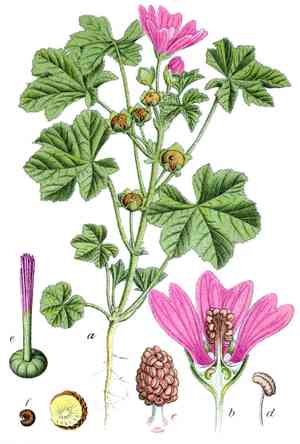
Prairie mallow flourishes when relocated from the beginning to the end of spring, as this timeframe enables it to develop its root system prior to the warmth of summer. Select a location that receives full sun or partial shade, featuring soil that drains effectively. Steer clear of overly saturated ground for optimal outcomes.
Necessary Preparations Before Moving Prairie Mallow?
Optimal Period for Relocating Prairie Mallow?
The best time to move prairie mallow is from early spring through late spring. This period ensures the soil is adequately warm, promoting better root establishment and development. Relocating prairie mallow during this window leverages its natural growth cycle, resulting in stronger, healthier plants by summer. This timing also maximizes nutrient absorption from the soil, leading to robust growth.
Recommended Spacing Between Prairie Mallow Plants?
When relocating prairie mallow, ensure a spacing of 18-24 inches (45-60 cm) between them. This provides ample room for individual plant growth and sufficient air circulation, minimizing disease risk and fostering healthy development.
Ideal Soil Mixture for Prairie Mallow Relocation?
For prairie mallow, prepare soil that drains well and is enriched with organic material. Incorporating compost or aged manure into the soil will supply essential nutrients. Ensure the soil's pH is slightly acidic to neutral, approximately 6.0 to 7.0.
Preferred Location for Your Prairie Mallow?
Select a sunny spot for moving prairie mallow. They flourish in full sun, meaning at least 6 hours of direct sunlight daily. This encourages vigorous growth and abundant blooms.
Equipment Required Before Relocating Prairie Mallow?
Gardening Gloves
To safeguard your hands while handling soil and plants.
Shovel or Spade
For digging around the plant and lifting it from its initial spot.
Trowel
Used for smaller or more delicate digging tasks.
Pruning Shears
To trim any damaged roots or leaves.
Watering Can or Hose
For hydrating the plant before and after relocation.
Wheelbarrow
Optional, for moving the plant if it's large or heavy.
Compost or Mulch
To improve soil quality at the new planting site.
Stakes and Ties
If necessary, to support the plant post-relocation.
How to Extract Prairie Mallow from the Ground?
How to Extract Prairie Mallow from the Ground?
From Ground: First, moisten the prairie mallow plant by watering the soil. Next, dig a wide trench around the plant using a shovel or spade, ensuring the root ball remains intact. Carefully work the spade beneath the root ball to lift the plant from its original position.From Pot: Water the prairie mallow plant thoroughly before removal. Invert the pot and gently tap its sides to loosen the soil. Carefully slide the plant out by holding the base of the stem and tapping the pot's bottom.From Seedling Tray: Water the seedlings in the tray. Use a trowel or your fingers to gently lift the seedlings, taking care to keep as much soil around the roots as possible.
Step-by-Step Guide for Relocating Prairie Mallow
Preparation
Water the prairie mallow plant thoroughly the day before you plan to move it. Prepare the new site in advance by loosening the soil and adding compost or mulch.
Digging The Hole
Excavate a hole in the new location that is twice as wide and the same depth as the prairie mallow plant's root ball. This allows roots to spread easily.
Transferring The Plant
Carefully place the prairie mallow plant into the hole, ensuring it sits at the same depth as it was previously. Adjust the soil underneath if needed for correct height.
Filling The Hole
Backfill the hole with the excavated soil, gently but firmly compacting it around the root ball. Ensure no air pockets remain.
Watering
Water the prairie mallow plant thoroughly after relocation, making sure the soil is evenly moist but not waterlogged.
Mulching
Apply a layer of mulch around the base of the prairie mallow plant to retain moisture and inhibit weed growth.
Post-Relocation Care for Prairie Mallow?
Watering
Keep the soil around the prairie mallow consistently damp, but not saturated, for the initial weeks after relocation to encourage strong root development.
Protecting
If relocating during warmer months, provide temporary shade to shield the prairie mallow plant from intense sunlight until it adapts.
Monitoring
Regularly inspect the plant for signs of stress or pests, and address any issues promptly.
Supporting
If the plant appears unstable, use stakes and ties to support it until it becomes well-established.
Fertilizing
Wait until the plant exhibits new growth before applying any fertilizer, then use a balanced, slow-release formula.
Addressing Common Issues with Prairie Mallow Relocation.
When is the best time to move prairie mallow?
Relocate prairie mallow in early to late spring when the ground is workable and temperatures are mild.
What spacing is recommended for prairie mallow seedlings?
Space prairie mallow plants 18-24 inches (45-60 cm) apart to ensure good airflow and growth.
What soil type is ideal for moving prairie mallow?
Prairie mallow thrives in well-draining, moderately fertile soil with a neutral to slightly acidic pH.
How much water does prairie mallow require after relocation?
Water prairie mallow thoroughly after relocation and maintain consistent moisture until established, avoiding waterlogging.
Should I apply mulch after moving prairie mallow?
Adding mulch around prairie mallow helps retain soil moisture and suppress weeds, ideally 2-3 inches (5-7 cm).
Is it necessary to trim prairie mallow before relocation?
Trim back any damaged or excessively long roots of prairie mallow before relocation to encourage new growth.
How can I prevent transplant shock in prairie mallow?
Water well, avoid disturbing the roots too much, and provide some shade if the sun is intense.
What to do if prairie mallow wilts after relocation?
Water deeply and consistently, provide partial shade, and monitor soil moisture to help the plant recover.
How deep should I plant prairie mallow seedlings?
Plant prairie mallow seedlings at the same depth they were in their original container or slightly deeper.
Is it necessary to fertilize prairie mallow after relocation?
Fertilization isn't necessary immediately after relocation, but a mild, balanced fertilizer can boost growth.



