How to Prune Prairie mallow?
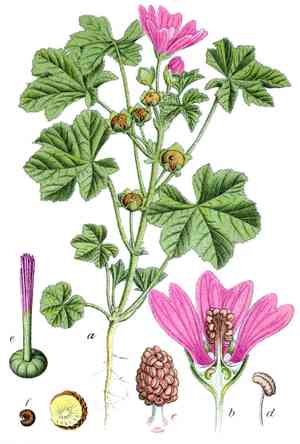
A member of the mallow family, prairie mallow is distinguished by its vibrant blossoms and erect stature. Trimming should concentrate on eliminating spent or withered flowers to stimulate further flowering and preserve the plant's form. The ideal period for pruning prairie mallow is in late spring or early summer, following the primary flowering phase. Pruning not only aids in managing the plant's vertical dimension and lateral expansion but also fosters robust development and improves the overall floral presentation.
What Are the Benefits of Pruning Prairie Mallow?
What Are the Benefits of Pruning Prairie Mallow?
Trimming prairie mallow promotes robust development and maintains its form. Consistent pruning ensures a compact, visually appealing structure and fosters healthier, stronger stems, enhancing the plant's overall vigor and look.
What Is the Best Time for Pruning Prairie Mallow?
What Is the Best Time for Pruning Prairie Mallow?
Pruning prairie mallow during spring and summer aligns with its active growth phases, encouraging strong development and more abundant blooms. Spring trimming, specifically, helps eliminate any dead or damaged stems from winter, allowing for new growth and improved air circulation within the plant. Early spring pruning is vital for shaping the plant and managing its size effectively. Summer pruning, typically after the initial bloom, stimulates a second flowering and aids in maintaining plant shape and density. These periods ensure that pruning does not stress the plant, leading to optimal health and flowering.
What Tools Do I Need to Prune Prairie Mallow?
Bypass Pruners
Ideal for making precise cuts on the slender stems of prairie mallow. Bypass pruners operate like scissors with two blades passing each other, minimizing harm to the plant's delicate tissues.
Floral Snips
Perfect for deadheading or shaping smaller, more fragile areas of prairie mallow. Floral snips offer greater accuracy and ease of use for intricate cutting tasks.
Pruning Shears
Useful for cutting through slightly thicker stems of prairie mallow, especially when thinning densely packed shoots. Pruning shears provide good leverage and control.
How to Prune Prairie Mallow
Identify
Locate and mark the diseased, withered leaves and affected stems on prairie mallow. This is essential as it prevents disease spread and encourages healthier growth.
Sterilize
Sanitize your pruning tools before and after use to prevent the transfer of pathogens to healthy parts of prairie mallow. Use a bleach or alcohol solution for sterilization.
Cut diseased leaves
Carefully remove the diseased and withered leaves from prairie mallow. Make clean cuts at the base of each affected leaf, ensuring not to tear the plant's tissue.
Cut diseased stems
Prune diseased stems on prairie mallow by making cuts at least a few inches below the affected area, but above a healthy leaf node. This encourages new growth.
Cleanup
Properly dispose of all removed material from prairie mallow to avoid reinfection. Do not compost as diseased material can contaminate the compost pile.
Common Pruning Mistakes with Prairie Mallow
Over pruning
Removing too much foliage from prairie mallow at once can stress the plant, leading to reduced flowering and a weakened structure.
Improper cut locations
Cutting too close or too far from the bud on prairie mallow can hinder healthy regrowth and may expose the plant to diseases.
Using dull tools
Dull pruning tools can cause jagged cuts that heal slowly and make prairie mallow more susceptible to infections.
Common Pruning Tips for Prairie Mallow
Sanitize tools
Always use clean, sharp pruning shears to make clean cuts, which help prairie mallow heal faster and reduce disease transmission.
Prune for shape
Focus on creating an open, balanced shape that allows light and air to penetrate prairie mallow, encouraging even growth and flowering.
Deadhead regularly
Regularly remove faded flowers from prairie mallow to encourage more blooms and extend the flowering season.



