How to Propagate Prairie mallow?
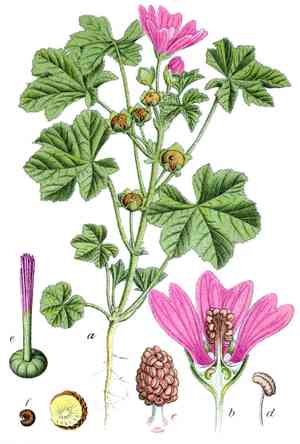
Prairie mallow flourishes when reproduced by seeding. To achieve the best outcomes, utilize new seeds and confirm they are planted in soil that drains effectively. A bright, sunlit spot is favored, as it boosts sprouting and development. Consistent irrigation is vital, particularly during the early phases of growth, but be cautious to avoid excessive watering. After it has taken root, prairie mallow exhibits greater resistance to dry conditions and demands less frequent attention, rendering it a superb option for cultivators desiring a beautiful yet undemanding plant.
Optimal Time for Prairie Mallow Propagation
Propagation Method
Seeding
Propagation Period
Spring
Tools for Prairie Mallow Propagation
Seed trays
Seed trays are vital for starting prairie mallow from seeds, providing a controlled setting to monitor moisture and development. Their shallow, divided design helps distribute moisture evenly and offers a convenient system for organizing multiple seedlings, perfect for prairie mallow's delicate germination.
Potting mix
A high-quality, well-draining potting mix is essential for prairie mallow, ensuring proper air circulation and moisture retention crucial for seed germination. A seed-starting mix typically contains peat moss, vermiculite, and perlite, offering a light, airy texture that aids prairie mallow seedlings in establishing roots efficiently.
Misting bottle
A misting bottle allows for gentle watering that won't disturb prairie mallow seeds or emerging root systems. Regular misting helps prevent the soil from drying out without becoming waterlogged, which is especially important for maintaining the delicate balance needed for successful prairie mallow germination.
Heat mat
A heat mat ensures consistent and ideal soil temperature, which is critical for prairie mallow germination. Maintaining steady warmth mimics the natural conditions prairie mallow would experience in its native habitat, thereby improving germination rates and promoting healthier, more robust seedlings.
Grow lights
If propagating indoors or with insufficient natural light, grow lights can supply the necessary full-spectrum light prairie mallow requires. This guarantees adequate photosynthesis, fostering healthier growth and development from the seedling stage onward.
How to Propagate Prairie Mallow?
Propagation Type
Simple
Caring for Newly Propagated Prairie Mallow
Caring for Newly Propagated Prairie Mallow
After propagation, prairie mallow needs consistent watering, especially during dry spells, to ensure steady growth. It thrives in full sun to partial shade and benefits from fertilization every few months during its active growing season. As prairie mallow matures, dividing it periodically every few years can help maintain its vigor and prevent overcrowding.
Common Errors to Avoid When Propagating Prairie Mallow
Overwatering
Excessive watering can lead to root rot in prairie mallow, which is problematic as it compromises the plant's root system, hindering nutrient absorption and overall health.
Too-deep planting
Planting prairie mallow cuttings or seeds too deeply can prevent them from receiving adequate light, which is vital for germination and initial development.
Neglecting humidity
Prairie mallow requires a specific level of humidity for successful propagation. Ignoring this can result in desiccation of cuttings and poor root formation.
Using dense soil
Employing overly dense or poorly drained soil can hinder prairie mallow's root growth, leading to poor aeration and waterlogging conditions that harm the plant's overall development.
Tips for Propagating Prairie Mallow
Soil mixture
Utilize a light, well-draining soil mix enriched with organic matter to encourage healthy root growth and ensure adequate moisture retention without causing waterlogging.
Cutting treatment
Treat prairie mallow cuttings with a rooting hormone before planting to enhance root development and increase the likelihood of successful propagation.
Moisture control
Maintain consistent moisture but avoid waterlogging. Using a spray bottle to mist the soil can help manage moisture levels appropriately for prairie mallow's requirements.
Indirect lighting
Provide indirect, bright light for prairie mallow propagation. Direct sunlight can be too intense and may damage young cuttings and seedlings.



