The Prairie mallow Plant Advantage: Maximizing Home and Office Appeal and Wellness
1
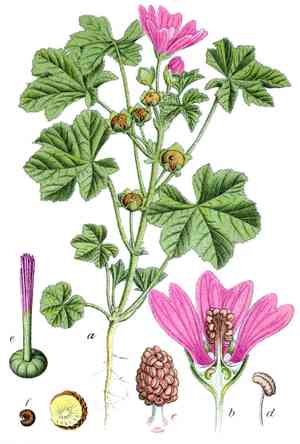
Prairie mallow adds aesthetic appeal to any garden with its prominent white blooms.
2
This plant provides sustenance for pollinators like bees and butterflies.
3
Prairie mallow requires minimal care and withstands dry conditions, making it ideal for eco-friendly landscaping.
Why Prairie Mallow is Ideal for Your Garden
Visual Appeal
Prairie mallow's striking white blooms lend a dreamlike quality to any garden, fostering a calm and tranquil atmosphere. Its abundant foliage complements diverse landscape styles, making it a flexible option for garden lovers.
Supports Pollinators
A key attribute of Prairie mallow is its capacity to draw in and sustain pollinators. Bees and butterflies are attracted to its flowers, which aids in the propagation of other plant varieties in your garden. This natural pollination process contributes to a flourishing ecosystem.
Minimal Upkeep
Prairie mallow is a resilient, low-maintenance plant that flourishes with little attention. It is drought-resistant, meaning it can endure periods of limited water availability. This makes it a superb choice for sustainable gardening, particularly in areas prone to dry spells.
Environmental Advantages of Prairie Mallow
Soil Enrichment
Prairie mallow plays a crucial role in improving soil quality. Its deep root systems help aerate the soil, promoting better water absorption and reducing erosion. This contributes to your garden's overall health by ensuring nutrients are more readily available to other plants.
Biodiversity Boost
Cultivating Prairie mallow can significantly enhance your garden's biodiversity. By offering a habitat for various insects, birds, and small animals, Prairie mallow helps create a balanced ecosystem. This increased biodiversity contributes to the resilience and vitality of your garden environment.
Natural Pest Control
Another ecological benefit of Prairie mallow is its ability to attract beneficial insects that serve as natural pest control agents. Predatory insects like ladybugs and lacewings are drawn to Prairie mallow and help keep harmful pests in check. This natural pest management reduces the need for chemical pesticides, making your garden more eco-friendly.
How Prairie Mallow Can Enhance Your Gardening Experience
Landscape Versatility
Prairie mallow is an incredibly adaptable plant that can be incorporated into various landscape designs. Whether you aim to create a formal garden, a wildflower meadow, or a mixed border, Prairie mallow integrates seamlessly into different settings. Its flexibility makes it a preferred choice for many gardeners.
Companion Planting Benefits
Prairie mallow is an excellent companion plant, thriving alongside a range of other garden species. Its ability to attract pollinators means that nearby plants also benefit from increased pollination. Furthermore, its root system helps stabilize the soil around other plants, reducing the likelihood of erosion and nutrient loss.
Cultivation and Care Tips for Prairie Mallow
Optimal Planting Site
Select a sunny location with well-drained soil for planting Prairie mallow. This plant thrives in full sunlight but can also tolerate partial shade. Ensure the soil is fertile by adding organic matter such as compost to support healthy growth.
Watering and Fertilizing
Prairie mallow requires moderate watering, especially during dry periods. However, waterlogged conditions should be avoided as they can lead to root rot. Fertilizing Prairie mallow with a balanced, slow-release fertilizer during the growing season will promote robust growth and abundant flowering.
Pruning and Maintenance
Regular pruning of Prairie mallow helps maintain its shape and encourages new growth. Remove dead or faded flowers to promote continuous blooming throughout the season. Monitoring for pests and diseases is also essential, though Prairie mallow is generally resistant to common garden pests.



