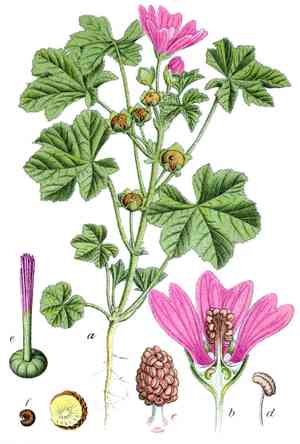
Prairie mallow (Sidalcea candida)
Also known as: Prairie Mallow, White Checkermallow
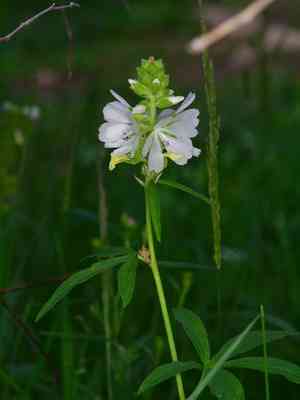
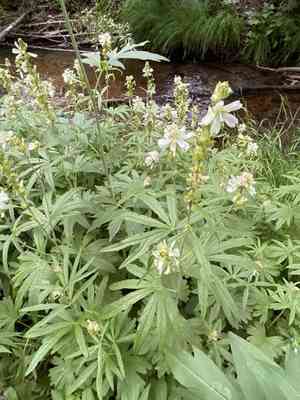
The wildflower you're referring to is **Sidalcea candida**, also known as white checkerbloom or white checkermallow. This plant, which can reach up to three feet in height, is often called wild hollyhock. It is native to regions from Nevada to Wyoming, extending to southern New Mexico. The flowers, which bloom from summer to fall, are approximately one inch in diameter with five petals. You can typically find this wildflower in mountain meadows and along streams.
In This Article
Attributes of Prairie mallow
Lifespan
Perennial
Plant Type
Herb
Plant Height
80 cm
Spread
60 cm
Leaf Color
Green
Flower Size
2 - 3 cm
Flower Color
White Yellow Cream
Images of Prairie mallow
Quickly Identify Prairie mallow
1
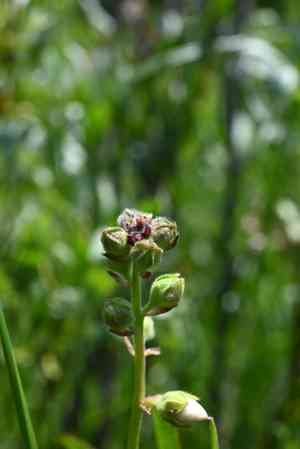
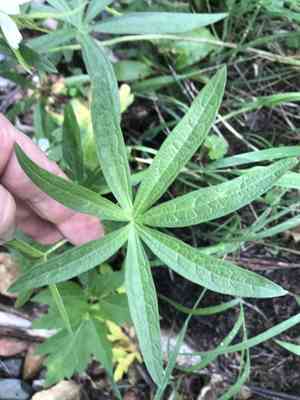
Sidalcea candida can be identified by its tall, wiry stems, round, deeply lobed leaves, and clusters of white, five-petaled flowers that bloom primarily in mid to late summer.
Scientific Classification of Prairie mallow
Phylum
Vascular plants
Class
Dicotyledons
Order
Malvales
Family
Mallow
Genus
Sidalcea
Species
Prairie mallow
Planting and Growing of Prairie mallow
Care Difficulty
Easy
Watering Schedule
Every 6 days
Sunlight Requirements
Full sun
Sunshine Duration
6-10 hours
Ideal Temperature
60-70℉
Soil Type
Potting Mix, Peat Mix
Soil pH
6.5-7.5
Fertilizer Type
Balanced
Pruning Season
Spring, Summer
Pruning Area
Branches, Leaves
Pruning Frequency
2 times a year
Repotting Season
Spring
Pot Type
Plastic, Ceramic
 How to Water Prairie mallow?
For Sidalcea candida, it's crucial to provide a moderate amount of water per session, typically around 250 milliliters. Ensure the soil is moist but not saturated to prevent root rot. The top inch of the soil should be dry before the next watering.
What are the symptoms of an underwatered Prairie mallow?
›
What should I do if my Prairie mallow is not getting enough water?
›
What are the symptoms of an overwatered Prairie mallow?
›
How to save an overwatered Prairie mallow?
›
 What Are the Sunlight Requirements for Prairie mallow?
Sidalcea candida prefers full sun to partial sun, which benefits its growth. Adequate sunlight supports robust flowering and enhances its vibrant color while reducing pest susceptibility.
What is the ideal amount of sunlight?
›
How can I achieve the ideal sunlight conditions?
›
What are the benefits of achieving ideal lighting conditions?
›
 What Is the Ideal Temperature Range for Prairie mallow?
Sidalcea candida thrives best in moderately warm conditions. The ideal temperature range for optimal growth is between 60°F and 70°F. This range allows the plant to metabolize efficiently and supports vigorous growth and flowering. Keeping the plant within this range helps ensure robust health and maximum aesthetic appearance.
 What Soil is Best for Prairie mallow?
Sidalcea candida thrives in well-drained soil which prevents waterlogging, ensuring its roots have access to oxygen and minimizing root rot. This requirement is critical to promote healthy growth and blooming. While it prefers well-drained soil, consistent moisture is also key. Sidalcea candida benefits from soil that retains some moisture without becoming soggy, aiding in sustained hydration and nutrition uptake. This plant does best in nutrient-rich loam, providing essential minerals and compounds necessary for its lush foliage and robust flowering cycles. The nutrients in the soil contribute to vigor and vitality.
 How to Fertilize Prairie mallow?
For Sidalcea candida, use a balanced 10-10-10 liquid fertilizer at a dilution of half the recommended strength on the package. This allows for a gentle release of nutrients without overwhelming the plant's root system, fostering healthy and steady growth throughout the growing season.
 How to Prune Prairie mallow?
Start by removing spent and withered flowers to encourage continued blooming. Cut just above the nearest leaf set without leaving long stems that can affect the plant's appearance. Trim back any leggy or overly long stems to maintain a bushy appearance. Focus on cutting just above a leaf node to stimulate growth in a desired direction. Check for any discolored or dead leaves and stems, and cut them away. Eliminating these parts helps prevent the spread of diseases and insect infestations.
More About Pruning Techniques→
 How to Propagate Prairie mallow plant?
1
Begin by filling seed trays with a well-draining seed starting mix. Sow the seeds lightly on the surface and cover with a thin layer of the mix. Keep the soil moist.
2
Carefully dig up the plant in spring or early summer. Use a sharp knife to divide the root ball into smaller clumps, ensuring each has roots and shoots.
3
Once seedling are established or clumps are divided, transplant them into a prepared garden bed, spaced adequately. Water thoroughly after planting.
 How to Repot Prairie mallow plant?
1
Sidalcea candida shows it's time for repotting when you notice roots growing out of the drainage holes, and the plant's growth seems stunted. This typically happens every couple of years as the plant outgrows its current pot. Repotting during early spring or summer ensures that the plant has sufficient time to acclimate before the harsher conditions of autumn and winter.
2
When choosing a pot for Sidalcea candida, opt for one that is only a size or two larger than the current one. This prevents overwatering and potential root rot while giving roots room to expand. A pot with good drainage holes is crucial, allowing excess water to escape and providing a more aerated environment for the roots.
3
Selecting the right soil for repotting Sidalcea candida is essential for healthy growth. A well-drained loamy mix allows oxygenation and prevents water logging, promoting a healthy root system. This type of soil retains enough moisture without becoming oversaturated, ensuring the plant receives adequate nutrients and hydration.



