How to Transplant Toothed whitetop aster?
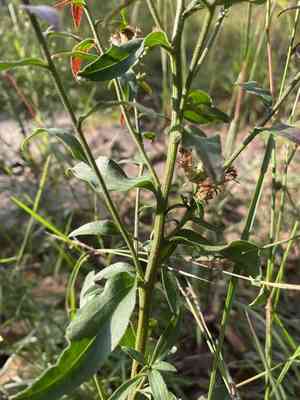
Toothed whitetop aster flourishes when relocated from the beginning to the end of spring, benefiting from mild temperatures and steady soil hydration. Select a site with full sun or partial shade and soil that drains effectively for peak development.
Necessary Preparations Before Relocating Toothed Whitetop Aster?
Optimal Period for Moving Toothed Whitetop Aster?
The best time to move toothed whitetop aster is from early spring through late spring. Relocating toothed whitetop aster during this timeframe allows for excellent root development prior to summer's heat. Furthermore, mild temperatures and increased moisture aid robust growth and adaptation in its new spot, ensuring the perennial flourishes.
Required Spacing Between Toothed Whitetop Aster Plants?
Position each toothed whitetop aster plant 12-18 inches (30-45 cm) apart. This provides ample room for growth without resource competition, helping them thrive in your garden.
Best Soil Blend for Toothed Whitetop Aster Relocation?
Toothed whitetop aster favors well-draining soil rich in organic matter. Incorporate compost into your garden bed to boost nutrient levels. Consider adding a balanced, slow-release fertilizer to support its initial development.
Where to Replant Your Toothed Whitetop Aster?
Place your toothed whitetop aster in an area receiving full sun to partial shade. Aim for at least 6 hours of daily sunlight to ensure vigorous growth and flowering.
Equipment to Prepare Before Transplanting Toothed Whitetop Aster?
Gardening Gloves
To safeguard your hands while handling soil and the plant.
Hand Trowel
For excavating around the plant and carefully lifting it.
Shovel or Spade
To dig the new planting hole and for use with larger transplants.
Watering Can or Hose
To hydrate the plant before and after its relocation.
Pruning Shears
To trim any damaged roots or foliage during the process.
Garden Fork
To loosen the soil surrounding the plant, especially if it's in the ground.
How to Extract Toothed Whitetop Aster from the Ground?
How to Extract Toothed Whitetop Aster from the Ground?
From Ground: First, moisten the soil around the toothed whitetop aster plant. Then, dig a wide trench around the plant using a shovel or spade, ensuring the plant's root ball stays intact. Carefully work the spade beneath the root ball to lift the plant from its original spot.From Pot: Water the toothed whitetop aster plant to facilitate removal. Gently tilt the pot and tap it to loosen the soil. Slide the plant out while supporting its base and keeping the root ball whole.From Seedling Tray: Ensure the tray's soil is damp. Use a hand trowel or your fingers to gently lift the toothed whitetop aster seedling, taking care to support its root ball and retain as much soil around the roots as possible.
Step-by-Step Guide for Relocating Toothed Whitetop Aster
Prepare the New Location
Dig a hole at the new site that is twice the width and the same depth as the root ball. Ensure the hole's sides are loose, not compacted.
Remove the Plant
Carefully extract the toothed whitetop aster plant from its initial spot using the appropriate method from the removal section.
Inspect the Roots
Examine the roots for any damage and trim as needed with pruning shears. If the roots are tightly coiled, gently untangle them.
Plant in the New Hole
Place the toothed whitetop aster plant in the hole at the same depth it was previously growing. Backfill the hole with soil, gently pressing around the plant to eliminate air pockets.
Water Thoroughly
Water the newly relocated toothed whitetop aster plant generously to settle the soil and aid root establishment.
Mulch the Area
Apply a layer of mulch around the plant's base to retain moisture and suppress weeds. Keep mulch away from the plant stems.
Post-Transplant Care for Toothed Whitetop Aster?
Watering
Keep the soil around the toothed whitetop aster consistently moist, but not waterlogged, for the initial weeks after transplanting to encourage strong root development.
Monitoring
Regularly check the plant for signs of stress, such as wilting or yellowing leaves, and adjust care as necessary.
Protection
Shield the toothed whitetop aster plant from strong winds or direct sun for the first few days to minimize transplant shock.
Fertilizing
Avoid immediate fertilization after transplanting. Wait a few weeks until the plant shows new growth, then apply a balanced, slow-release fertilizer if required.
Resolving Common Issues with Toothed Whitetop Aster Relocation.
When is the best time to move toothed whitetop aster?
Early spring to late spring is the ideal period for relocating toothed whitetop aster.
How much space should I leave between each toothed whitetop aster plant?
Allow 12-18 inches (30-45 cm) between each toothed whitetop aster plant for proper growth.
How do I prepare the soil for toothed whitetop aster?
Ensure well-draining soil, enriched with organic matter, before relocating toothed whitetop aster.
What to do if toothed whitetop aster's leaves turn yellow after transplanting?
Check for moisture stress or nutrient deficiency; adjust irrigation and consider fertilization.
What is the ideal depth to plant toothed whitetop aster seedlings?
Plant toothed whitetop aster seedlings at the same depth they were in their original containers.
How to avoid transplant shock in toothed whitetop aster?
Water thoroughly and provide temporary shade to minimize transplant shock for toothed whitetop aster.
How can I keep toothed whitetop aster plant roots moist during transplanting?
Soak the root ball in water before and after relocating toothed whitetop aster.
Can I transplant toothed whitetop aster on a hot day?
Avoid moving toothed whitetop aster in hot weather; cooler early to late spring days are preferable.
How often should I water toothed whitetop aster after transplanting?
Water toothed whitetop aster regularly, about once a week, ensuring the soil stays consistently moist.
What soil pH is best for transplanting toothed whitetop aster?
Toothed whitetop aster prefers slightly acidic to neutral soil, with a pH of 5.5 to 7.0.



