How to Prune Toothed whitetop aster?
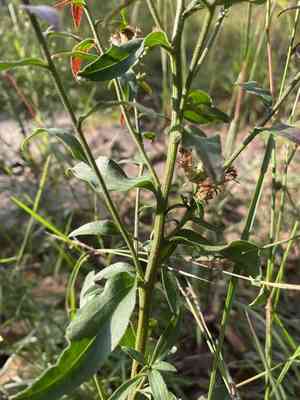
Symphyotrichum urophyllum, a perennial flowering plant, flourishes with minimal attention. Optimal trimming occurs in late spring or early summer following its flowering period, fostering a denser habit and more robust leaves. Consistent removal of faded blossoms improves the plant's aesthetic and incites additional flowering. Always employ sanitized, sharp cutting tools to prevent disease. Such precise excisions are especially advantageous for preserving Symphyotrichum urophyllum's contained form and enhancing its vivid floral presentation.
Advantages of Trimming Toothed Whitetop Aster
Advantages of Trimming Toothed Whitetop Aster
Trimming toothed whitetop aster encourages robust development and helps preserve its desired form. This action stimulates new growth, resulting in a denser, healthier specimen. Consistent trimming prevents excessive growth, keeping toothed whitetop aster attractive and manageable.
Optimal Period for Pruning Toothed Whitetop Aster
Optimal Period for Pruning Toothed Whitetop Aster
Pruning toothed whitetop aster during spring and summer coincides with its active growth phase, when the plant is most resilient and can best recover from pruning stress. In spring, pruning helps stimulate new growth, ensuring toothed whitetop aster maintains a desirable shape and promotes healthier, more vigorous development. Trimming in early summer, after the initial flush of growth, enhances light penetration and air circulation within the plant, crucial for reducing the risk of disease. Furthermore, this timing avoids cutting off buds which are set to bloom, ensuring that the plant's flowering potential is maximized.
Tools Required for Pruning Toothed Whitetop Aster
Bypass Pruners
These are suitable for precision pruning of toothed whitetop aster, allowing for clean and healthy cuts on smaller stems and branches. Bypass pruners work like scissors, where two sharp blades pass by each other to make a precise cut. This type is recommended for toothed whitetop aster as it promotes healthy regrowth and minimizes damage to the delicate stems.
Pruning Shears
Ideal for shaping toothed whitetop aster by trimming overgrown branches and shaping the plant. Pruning shears are similar to bypass pruners but are designed to handle slightly thicker stems, providing more versatility without harming the plant's structure.
Gardening Gloves
These are essential for protecting the hands while pruning toothed whitetop aster, since handling the plant might expose the gardener to sharp branches or potential irritants.
Garden Pruning Saw
For older, woodier stems of toothed whitetop aster that have grown thicker, a garden pruning saw may be necessary. It allows gardeners to safely remove larger limbs that bypass pruners or shears cannot handle without causing splintering or unnecessary damage to the plant.
How to Prune Toothed Whitetop Aster
Identify
Locate diseased or withered leaves and diseased stems on toothed whitetop aster. Carefully examine the plant to find any parts that appear discolored, shriveled, or covered with fungal growth.
Sanitize
Disinfect your pruning tools before and after use to prevent the spread of disease. Use a solution of 1 part bleach to 9 parts water to sterilize all cutting surfaces.
Prune leaves
Remove all identified diseased and withered leaves at their base, close to the stem. Use sharp, clean scissors or pruners, making clean cuts to avoid tearing the plant tissue.
Prune stems
Cut back diseased stems to healthy tissue, ensuring each cut is made just above a leaf node or bud. This promotes healthier growth and helps maintain the shape of toothed whitetop aster.
Dispose
Properly discard all removed plant parts. Do not compost diseased material as it can contaminate the compost and spread the disease to other plants.
Common Pruning Errors with Toothed Whitetop Aster
Over-pruning
Removing too much foliage from toothed whitetop aster can weaken the plant. It's important to avoid cutting more than one-third of the total growth in a single pruning session, as this can reduce its ability to photosynthesize and recover.
Improper technique
Using dull or dirty pruning tools can damage the stems of toothed whitetop aster, leading to jagged cuts that invite pests and diseases. Always use sharp, clean shears to make clean cuts.
Cutting back at wrong places
Cutting into the woody, non-flexible parts of toothed whitetop aster can result in poor regrowth and an unsightly appearance. It is crucial to make cuts on the softer, green stems where rejuvenation occurs more readily.
General Pruning Advice for Toothed Whitetop Aster
Selective thinning
Focus on thinning out the crowded and weak stems of toothed whitetop aster to improve air circulation and light exposure. This will enhance the overall health and vigor of the plant, encouraging a more robust and aesthetically pleasing growth.
Post-bloom pruning
After toothed whitetop aster finishes blooming, trim back the spent flowers to just above the first set of healthy leaves. This practice promotes better blooms the following season and maintains a neat appearance.
Shape maintenance
Regularly check the overall form of toothed whitetop aster and prune to maintain the desired shape and size. Avoid drastic shaping in one go, instead opt for gradual shaping through multiple light pruning sessions to reduce stress on the plant.



