How to Propagate Toothed whitetop aster?
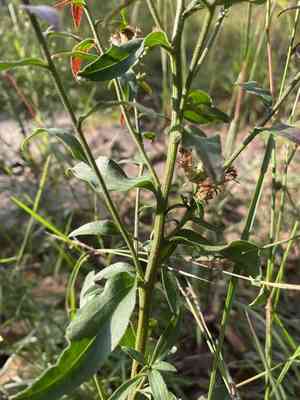
The native perennial, Toothed whitetop aster, flourishes when propagated from seed. Growers ought to employ newly collected seeds, preferably immediately post-harvest, to achieve the best germination success. Disperse seeds with a thin layer of growing medium in a substrate that drains efficiently to encourage strong root formation. Regular hydration and ample sunlight exposure foster development, guaranteeing a vigorous beginning for nascent plants.
Optimal Time for Propagating Toothed Whitetop Aster
Propagation Method
Seeding
Propagation Period
Spring
Equipment Used for Toothed Whitetop Aster Propagation
Seed trays
Seed trays are perfect for initiating toothed whitetop aster seeds as they enable numerous seeds to be sown in a compact area. Utilizing seed trays ensures proper spacing and delivers optimal soil conditions tailored to toothed whitetop aster's moisture and texture preferences.
Humidity domes
Humidity domes fit over seed trays to help maintain sufficient humidity levels, which are vital during the germination phase of toothed whitetop aster. The dome aids in creating a microenvironment that boosts seed germination and accelerates the growth process.
Fine mist spray bottle
This tool allows for gentle irrigation without disturbing the soil or seeds. A fine mist helps keep the soil suitably moist, which is essential for the successful germination of toothed whitetop aster without causing erosion or displacement of the seeds.
Sterile soil mix
Employing a sterile soil mix prevents diseases and fosters healthier seedling growth by providing a clean starting environment. This is especially important for toothed whitetop aster, as it ensures that seedlings are free from fungal infections and other soil-borne diseases during the vulnerable stages of early development.
Seedling heat mat
A seedling heat mat gently warms the soil, enhancing the germination rate of toothed whitetop aster. The consistent warmth provided by the heat mat is ideal for toothed whitetop aster, which requires specific germination temperatures to optimize seedling emergence and growth.
How to Propagate Toothed Whitetop Aster?
Propagation Type
Simple
Post-Propagation Care for Toothed Whitetop Aster
Post-Propagation Care for Toothed Whitetop Aster
Following propagation, ensure that toothed whitetop aster are situated in an area receiving full to partial sunlight with well-draining soil. Consistent watering is vital, particularly during dry periods, but avoid overwatering as toothed whitetop aster do not tolerate soggy conditions. Monitor for pests and diseases, and promptly remove any affected parts to maintain plant health. During the active growth season, a balanced fertilizer can be applied to support robust growth and flowering.
Common Errors to Avoid When Propagating Toothed Whitetop Aster
Overwatering
Excessive watering can lead to root rot in toothed whitetop aster, which impairs its ability to absorb nutrients and compromises its structural integrity.
Deep planting
Planting toothed whitetop aster too deeply can impede root development by limiting access to necessary oxygen, resulting in poorer establishment and growth.
Neglecting hygiene
Using contaminated soil or tools can introduce pathogens to toothed whitetop aster. This can result in diseases that might not only inhibit propagation but can also spread to other plants.
Overcrowding
Growing toothed whitetop aster seedlings too close together can lead to competition for light, space, and nutrients, hindering overall growth and development.
Advice for Propagating Toothed Whitetop Aster
Soil preparation
Ensure the soil is well-draining and rich in organic matter to support the root growth and overall health of toothed whitetop aster.
Watering balance
Maintain a balance in watering; ensure the soil is moist but not waterlogged to promote healthy root development without causing rot.
Spacing
Provide adequate space between the seedlings of toothed whitetop aster to ensure they have enough room to grow without competing for resources.
Sterilization
Sterilize all tools and use fresh, disease-free soil when propagating toothed whitetop aster to prevent the introduction of pathogens.



