The Toothed whitetop aster Plant Advantage: Maximizing Home and Office Appeal and Wellness
1
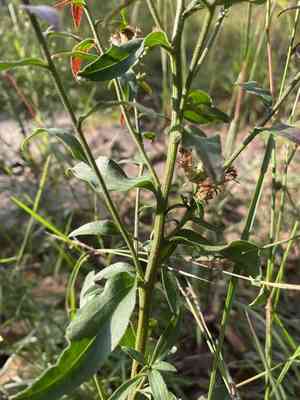
Toothed whitetop aster serves as a superb plant for pollinators.
2
This enduring plant requires minimal care and tolerates dry conditions.
3
Toothed whitetop aster contributes to biological diversity and improves your garden's natural balance.
Why Select Toothed Whitetop Aster for Your Garden?
Boosts Garden Biodiversity
Toothed whitetop aster plays a key role in promoting diverse life within your garden. Biodiversity is crucial for a healthy ecosystem, ensuring plant resilience and stability. By planting Toothed whitetop aster, you draw in various pollinators like bees and butterflies, which are vital for pollination, leading to healthier plants and increased yields for other garden species.
Supports Pollinator Populations
Pollinator numbers, including bees and butterflies, are significantly declining due to habitat loss and environmental shifts. Toothed whitetop aster offers a dependable source of nectar and pollen, essential for these pollinators' survival and reproduction. Cultivating plants like Toothed whitetop aster in your garden can establish a haven for these crucial insects, aiding their conservation and flourishing populations.
How Toothed Whitetop Aster Positively Affects Soil Health
Enhances Soil Fertility
A lesser-known advantage of Toothed whitetop aster is its capacity to improve soil fertility. The plant's root systems help break up compacted soil, allowing for better water penetration and root growth for nearby plants. Additionally, the decay of its organic matter enriches the soil with vital nutrients, fostering overall soil well-being.
Prevents Soil Erosion
Soil erosion is a frequent issue in many gardens, particularly on sloped areas. The root structure of Toothed whitetop aster acts as a natural barrier, holding soil in place and reducing erosion. This helps maintain soil structure and retain essential nutrients, ensuring the long-term viability of your garden's soil.
Environmental and Aesthetic Benefits of Toothed Whitetop Aster
Drought Tolerance
Toothed whitetop aster is notably resistant to drought, making it an excellent choice for gardens in dry regions or for those aiming to conserve water. Its minimal watering needs once established ensure your garden stays vibrant and green even during prolonged dry spells.
Appealing Landscaping Feature
Beyond its ecological advantages, Toothed whitetop aster makes a beautiful addition to any landscape. Its vivid flowers and distinctive foliage add texture and color, making it a focal point in garden design. Whether used in borders, rock gardens, or as a standalone specimen, Toothed whitetop aster enhances the visual charm of your outdoor area.
What Makes Toothed Whitetop Aster Low Maintenance?
Minimal Care Requirements
Toothed whitetop aster is known for its low maintenance needs, making it a favorite among both new and experienced gardeners. It thrives in various soil types and requires little fertilization. Once established, Toothed whitetop aster can endure neglect and still flourish, needing only occasional trimming to maintain its form and vitality.
Pest and Disease Resistance
Toothed whitetop aster displays strong resistance to common garden pests and diseases, meaning fewer chemical treatments and interventions are needed to keep it healthy. This natural resilience makes it an eco-friendly option that aligns with organic gardening practices.
How to Incorporate Toothed Whitetop Aster Into Your Garden Design?
Companion Planting
Using Toothed whitetop aster as a companion plant can boost the growth of other nearby plants by attracting beneficial insects and deterring harmful pests. This strategic planting can create a balanced ecosystem that thrives on mutual support and natural pest control.
Seasonal Allure
Toothed whitetop aster offers seasonal interest with its blooming cycle. From its early spring foliage to its late summer flowers, it provides continuous visual appeal. Plan your garden layout by placing Toothed whitetop aster in key areas where its seasonal changes can be best appreciated.



