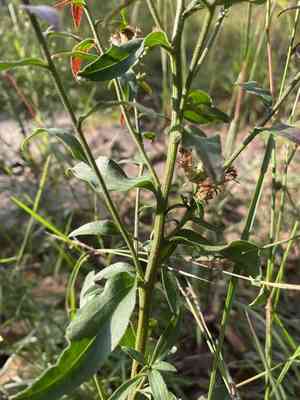
Toothed whitetop aster (Sericocarpus asteroides)
Also known as: Whitetop aster
The toothed whitetop aster, typically found in open sites, clearings, and disturbed areas, is experiencing a population decline in some regions. This plant, known for its clusters of striking white flowers that bloom in summer, faces several threats. One significant factor is the use of heavy all-terrain vehicles, which can trample and damage the plants, leading to a decrease in their numbers.
In This Article
Attributes of Toothed whitetop aster
Lifespan
Perennial
Plant Type
Herb
Plant Height
30 cm to 91 cm
Spread
Approximately 0.3 meters (1 foot)
Leaf Color
Green
Flower Size
1 to 1.5 centimeters (0.4 to 0.6 inches)
Flower Color
White Brown
Images of Toothed whitetop aster
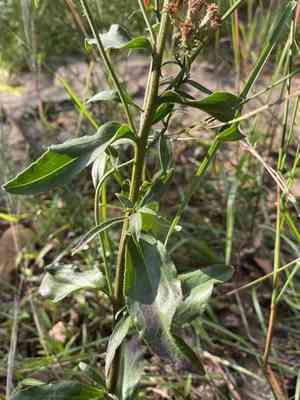
Quickly Identify Toothed whitetop aster
1
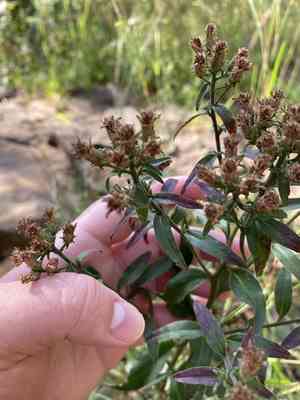
Silky-haired fruiting bodies distinguish toothed whitetop aster plant, reaching 1-2 feet (30-60 cm) in height.
2
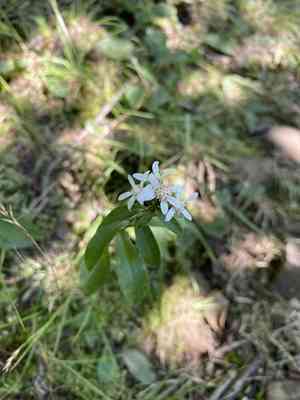
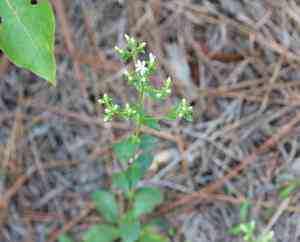
Distinct white daisy-like flowers, disc florets creamy yellow, with flat-topped clusters.
3
Small, clustered flowers with 4-8 white ray florets surrounding a central disk.
4
Fruit apex adorned by dense, silky hairs showcasing red to purple hues.
5
Oblanceolate to spatulate leaves with toothed margins, hairy texture for identification.
Scientific Classification of Toothed whitetop aster
Phylum
Vascular plants
Class
Dicotyledons
Order
Asterales
Family
Daisy
Genus
Whitetop asters
Species
Toothed whitetop aster
Planting and Growing of Toothed whitetop aster
Care Difficulty
Easy
Watering Schedule
Every 2 days
Sunlight Requirements
Full sun
Sunshine Duration
6-10 hours
Ideal Temperature
60-75℉
Soil Type
Potting Mix, Peat Mix
Soil pH
6.5-7.5
Fertilizer Type
Balanced
Pruning Season
Spring, Summer
Pruning Area
Branches, Leaves
Pruning Frequency
2 times a year
Repotting Season
Spring
Pot Type
Plastic, Ceramic
 How to Water Toothed whitetop aster?
For Sericocarpus asteroides, it's recommended to water with around 500 ml each time. Ensure the soil is moist but not waterlogged throughout the pot. A good rule of thumb is to let the top inch of soil dry before the next watering to prevent root rot.
What are the symptoms of an underwatered Toothed whitetop aster?
›
What should I do if my Toothed whitetop aster is not getting enough water?
›
What are the symptoms of an overwatered Toothed whitetop aster?
›
How to save an overwatered Toothed whitetop aster?
›
 What Are the Sunlight Requirements for Toothed whitetop aster?
Sericocarpus asteroides thrives in full sun with partial sun as a secondary option. Ideal light promotes vibrant growth and maximized blooming potential, highlighting the plant's beauty.
What is the best lighting condition for Sericocarpus asteroides?
›
How can you ensure ideal lighting conditions for Sericocarpus asteroides?
›
What are the benefits of achieving ideal lighting conditions for Sericocarpus asteroides?
›
 What Is the Ideal Temperature Range for Toothed whitetop aster?
The ideal temperature range for growing Sericocarpus asteroides is between 60 and 75°F. This range ensures optimal photosynthetic activity, balancing metabolic processes vital for growth. Maintaining this temperature range aids in healthy foliage and bloom development, maximizing the plant's aesthetic and ecological benefits.
 What Soil is Best for Toothed whitetop aster?
Sericocarpus asteroides prefers soil that drains well to prevent root rot. Good drainage is crucial to avoid waterlogged conditions that can suffocate the roots, enabling better oxygen flow and promoting healthy growth. The plant thrives in loam and sandy loam soils, which generally have a balanced nutrient composition. This nutrient availability supports vigorous growth and abundant flowering, ensuring the plant remains healthy and vibrant. While the plant prefers well-drained soil, it also benefits from moderate moisture retention. This quality helps in maintaining consistent moisture levels during dry spells, reducing stress and enhancing resilience.
 How to Fertilize Toothed whitetop aster?
Sericocarpus asteroides benefits from moderate fertilization. For liquid fertilizers, typically apply at a concentration of 1 tablespoon per gallon of water. For slow-release fertilizers, use about half a cup per plant, ensuring it is spread evenly over the root zone to support healthy growth without overwhelming the plant.
 How to Prune Toothed whitetop aster?
Begin by removing any dead or diseased stems to prevent the spread of pathogens. Next, trim back any overly long or unruly stems to keep the plant in shape. Aim to open up the center slightly to enhance air circulation. Prune during early spring before new growth appears and again in mid-summer to control size and rejuvenate the plant. This timing maximizes the growing season benefits for the Sericocarpus asteroides.
More About Pruning Techniques→
 How to Propagate Toothed whitetop aster plant?
1
For seed propagation, prepare a well-draining, nutrient-rich potting mix. Adding a bit of sand or perlite will improve aeration, essential for root development. Ensure the soil is moist but not soggy before sowing the seeds.
2
Sow the seeds of Sericocarpus asteroides on the surface of the soil and lightly cover them with a thin layer of soil or vermiculite. Keep the soil consistently moist, using a mister to avoid displacing the seeds.
3
During early spring, carefully lift the plant with a spade and divide the clumps using a sharp knife. Each section should have a healthy root system and a few shoots. Replant the divisions immediately into prepared soil.
 How to Repot Toothed whitetop aster plant?
1
Repotting Sericocarpus asteroides should occur when you notice the roots circling the pot or growth has significantly slowed. Spring is optimal, as the plant will be ready to enter a new growth phase with the arrival of warmer temperatures. Additionally, if the soil is hard or drains poorly, it is a definite sign that repotting is needed.
2
Select a pot that is one size larger than the current one. Ensure it has drainage holes to prevent waterlogging. A slightly larger pot will allow better root growth without risking excessive moisture retention. Using a breathable material like terracotta can also help regulate soil moisture levels effectively.
3
Opt for a well-draining potting mix composed of peat, perlite, and sand. This combination will ensure adequate drainage, reducing the risk of root rot. A lightweight soil mix will promote healthy root growth by allowing proper airflow, which is essential for the plant's overall health.



