How to Transplant Green figwort?
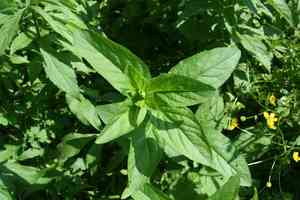
The optimal period for relocating green figwort is from late spring to early summer, which guarantees vigorous development. Select a location offering dappled sunlight and damp earth. Should the root system be compact, carefully separate the roots prior to planting.
What Preparations are Needed Before Transplanting Green Figwort?
What is the Ideal Time for Transplanting Green Figwort?
The best time to move green figwort is during the mild period from late spring to early summer. This timing ensures the ground is warm and receptive, aiding strong root development and reducing transplant stress. Relocating green figwort within this timeframe benefits from increased daylight and moderate temperatures, vital for the plant's recovery and growth. A friendly tip: choose this perfect window for a smooth transition to its new spot!
How Much Space Should You Leave Between Green Figwort Plants?
When arranging your green figwort, aim to provide ample room for each plant to thrive. Position them approximately 18-24 inches (45-60 cm) apart. This spacing allows their roots sufficient area to expand and helps ensure they receive necessary nutrients.
What is the Best Soil Mix for Green Figwort Transplanting?
For your green figwort, prepare a site with fertile, well-draining soil. Incorporating organic compost or a balanced, slow-release fertilizer will establish a good base for robust growth. Ensure the soil is loose and rich before planting.
Where Should You Relocate Your Green Figwort?
Your green figwort will flourish in an area with filtered sunlight or partial shade. Seek out a location that resembles a forest edge for optimal development. Avoid full, direct sun exposure as it might be too intense for your green figwort.
What Equipments Should You Prepare Before Transplantation Green Figwort?
Gardening Gloves
To safeguard your hands while handling soil and plants.
Spade or Shovel
For excavating the green figwort from the ground or lifting it from a container.
Hand Trowel
Useful for smaller transplanting tasks and precise digging work.
Watering Can or Hose
To hydrate the green figwort before and after its relocation.
Pruning Shears
For trimming any dead or excessive parts of the plant.
Wheelbarrow
For moving the green figwort and soil, especially when dealing with larger specimens.
Garden Fork
To loosen the soil around the plant for easier extraction.
Mulch
To apply around the base of the green figwort after transplanting for moisture retention and weed suppression.
How Do You Remove Green Figwort from the Soil?
How Do You Remove Green Figwort from the Soil?
From Ground: First, moisten the green figwort plant to dampen the soil. Next, dig a wide trench around the plant using a shovel or spade, ensuring the plant's root ball remains intact. Carefully work the spade beneath the root ball to lift the plant from its original spot.From Pot: Begin by watering the green figwort to make the soil moist and easier to manage. Gently turn the pot on its side and tap the bottom or sides to loosen the root ball. Carefully ease the plant out by supporting the base of the stem, taking care not to pull on the stem itself.From Seedling Tray: Water the seedling gently to moisten the soil and facilitate removal. Use a hand trowel or a finger to push up from beneath the seedling tray cell to lift the plant out, being careful to handle it by the leaves rather than the stem.
Step-by-Step Guide for Transplanting Green Figwort
Preparation
Gather all necessary tools and thoroughly water the green figwort before commencing the transplant.
Root Ball
Gently loosen the soil surrounding the root ball using a garden fork or spade without disturbing the roots.
Lift Plant
Carefully slide your spade beneath the root ball, then lift the green figwort from its current location with a steady hand.
Transportation
Move the green figwort to its new location using a wheelbarrow or by carrying it, ensuring minimal root disturbance.
Planting Hole
Dig a hole in the new location that is twice the width of the root ball and the same depth to provide ample space for the roots.
Positioning
Place the green figwort in the center of the hole, ensuring it sits at the same depth as it was originally growing.
Refill Soil
Backfill the hole with native soil mixed with compost, gently tamping down the soil to eliminate air pockets.
Watering
Water the green figwort immediately after planting to help settle the soil around the roots and encourage recovery.
Mulching
Apply a layer of mulch around the base of the green figwort without touching the stem to conserve moisture and suppress weeds.
How Do You Care For Green Figwort After Transplanting?
Watering
Keep the soil around the green figwort consistently moist, but not waterlogged, for the initial weeks post-transplant to aid strong root establishment.
Pruning
Trim away any damaged or dead foliage to direct the green figwort's energy towards root and new growth development.
Staking
If needed, provide support to the green figwort with stakes to ensure it remains upright and protected from strong winds.
Monitoring
Regularly check for signs of stress such as wilting, discoloration, or pest issues, and address them promptly.
Gradual Sun Exposure
If the green figwort was previously grown in a shadier spot, acclimate it to its new lighting conditions by gradually exposing it to more sun over several days.
Troubleshooting Common Issues with Green Figwort Transplantation.
When's the best time to transplant green figwort?
The ideal period for transplanting green figwort is from late spring to early summer, ensuring optimal growth.
How far apart should I space green figwort when transplanting?
Allow green figwort ample room to thrive by spacing them 18-24 inches (45-60 cm) apart.
What should I do if green figwort wilts after transplanting?
Ensure green figwort is adequately watered and shielded from intense midday sun during its establishment phase.
Can I transplant green figwort on a hot day?
It's preferable to transplant green figwort on a cooler, overcast day to minimize transplant shock.
What soil type is best for transplanting green figwort?
Transplant green figwort into rich, well-draining soil to encourage healthy root development.
Should I prune green figwort before transplanting?
Prune back any damaged or excessively long roots of green figwort to stimulate new growth.
How deep should the hole be for transplanting green figwort?
Dig a hole that is just deep enough to comfortably accommodate green figwort's root ball.
Why is my green figwort not thriving after transplanting?
Check for sufficient watering, appropriate soil conditions, and the absence of root damage or pests.
How can I tell if green figwort has enough water after transplanting?
The soil should be moist but not soggy; check by feeling the soil 2-3 inches (5-7.5 cm) deep.
Will mulch benefit green figwort after transplanting?
Applying mulch helps retain moisture, control weeds, and provide insulation for green figwort's roots.



