How Much Sunlight Do Green figwort Need?
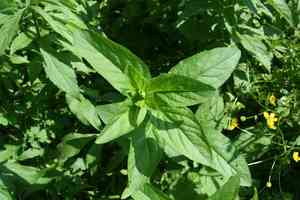
1
Green figwort flourishes with 3-6 hours of direct sun each day.
2
Indications of sun damage in Green figwort involve scorched leaves and drooping.
3
Employ a shade cover to shield Green figwort during the most intense sunlight periods.
The Significance of Sunlight for Green Figwort
Photosynthesis and Development
Sunlight is vital for photosynthesis, the process where Green figwort transforms light energy into chemical energy. This energy is crucial for the plant's development, enabling it to produce the nutrients necessary for robust stems, healthy foliage, and vibrant blooms. Without sufficient sunlight, your Green figwort may show stunted growth, yellowing leaves, and a general lack of vigor.
Flowering and Reproductive Success
Green figwort needs ample sunlight to flower and reproduce effectively. Sunlight stimulates bud formation and ensures full flower opening, contributing to the plant's reproductive success. Flowers exposed to optimal sunlight conditions will yield more seeds, aiding in the plant's propagation. If deprived of sunlight, Green figwort might produce fewer or smaller flowers, hindering its ability to flourish.
Green Figwort's Sunlight Requirements
Optimal Sunlight Conditions
For peak growth, Green figwort prefers partial sun, receiving approximately 3-6 hours of sunlight daily. This amount provides enough light for photosynthesis while preventing the negative effects of overexposure. Morning sunlight is particularly beneficial as it is less intense and helps the plant begin its day with the necessary energy.
Indicators of Too Much or Too Little Sun for Your Green Figwort
Observing your Green figwort's leaves can help you determine if it's receiving the correct amount of sun. Signs of excessive sunlight include leaf scorch, appearing as brown, crispy edges, and wilting. Conversely, insufficient sunlight leads to leggy growth, pale leaves, and a lack of blooms. Adjust the plant's position or use shade to rectify these issues.
Ideal Planting Locations for Green Figwort
Outdoor Planting Sites
When planting Green figwort outdoors, select a spot that receives dappled sunlight throughout the day. Locations under a tree canopy or near a building that offers morning sun and afternoon shade are suitable. Ensure the soil drains well to prevent waterlogging, which can worsen sun-related stress.
Indoor Placement Advice
For indoor Green figwort, position the plant near a window that gets abundant indirect sunlight. East-facing windows are perfect as they provide gentle morning light. If the light is too strong, use sheer curtains to diffuse it. Rotate the plant periodically to ensure uniform light exposure on all sides.
Adjusting Sun Exposure for Seasonal Changes
Spring and Summer Adjustments
During spring and summer, the sun's intensity increases, which can stress Green figwort. Gradually acclimate your plant to outdoor conditions after winter by initially providing shade. As the season progresses, slowly increase sun exposure to prevent shock. Water more frequently to keep the soil moist but avoid overwatering.
Fall and Winter Considerations
In fall and winter, sunlight decreases, and days are shorter. Move Green figwort to a sunnier location, such as a south-facing window, to maximize light exposure. Reduce watering as the plant's growth slows. If natural light is inadequate, consider using grow lights to supplement the plant's needs.
Protecting Green Figwort from Intense Sunlight
Utilizing Shade Cloths and Screens
Shade cloths and screens are effective tools to shield Green figwort from excessive sunlight. These materials block some UV rays, reducing the risk of leaf burn and overheating. Install them over your plant during peak sun hours, typically from 10 a.m. to 4 p.m., to ensure a cooler, more stable environment.
Creating Natural Shade
Create natural shade by planting taller, sun-tolerant plants nearby, providing a protective barrier against the harshest rays. Alternatively, placing Green figwort near existing structures like fences or pergolas can offer natural shade. These methods help maintain a balanced light environment, crucial for healthy growth.



