How to Prune Green figwort?
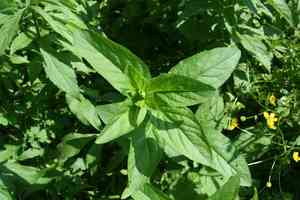
A persistent herbaceous plant, green figwort exhibits quadrangular stalks and opposing foliage, thriving in moist habitats. In early spring, remove deceased or frail stems to foster robust development. Throughout the summer, snip off faded blossoms to stimulate ongoing flowering. Trimming should focus on preserving air circulation and averting excessive density. Strategic pruning boosts plant vitality and visual appeal, simultaneously lowering the likelihood of illness. Trimming after the initial bloom might induce a subsequent flowering period in suitable regions. Disinfecting instruments between each cut prevents the dissemination of pathogens.
Advantages of Trimming Green Figwort
Advantages of Trimming Green Figwort
Trimming green figwort promotes vigorous development and helps maintain its desired form. This careful removal of parts can also result in healthier foliage and structure, while lowering the risk of illness. Pruning optimizes energy distribution, fostering a more robust and appealing specimen.
Optimal Period for Trimming Green Figwort
Optimal Period for Trimming Green Figwort
Trimming green figwort during Spring and early Summer is ideal as this timing aligns with the plant's post-winter recovery and pre-summer growth surge. In Spring, green figwort's new growth begins, making it simpler to identify and remove any dead or diseased wood without harming the vigorous new shoots. Early Summer pruning ensures that shaping and size control do not interfere with the plant's flowering or potential fruit development, which typically occurs later in the season. This timing also allows green figwort to heal from cuts during the active growth phase, minimizing stress and vulnerability to pests or diseases. Additionally, pruning at this stage helps to maintain a healthy plant structure, encourages robust growth, and can increase the overall vitality and longevity of green figwort.
Required Tools for Pruning Green Figwort
Hand Shears
Perfect for making precise cuts on green figwort's stems, ensuring accuracy without causing unnecessary harm to the plant.
Bypass Pruners
These are favored for green figwort due to their capacity to deliver clean cuts without crushing plant tissues, which is vital for the plant's recovery and ongoing health.
Pruning Saw
A small pruning saw might be necessary for green figwort if dealing with older or woodier stems that bypass pruners cannot manage.
Gloves
Protective gloves should be worn when pruning green figwort to prevent any potential skin irritation from handling the plant, as well as to shield hands from thorns or sharp edges.
Loppers
For thicker branches that hand shears cannot cut through, loppers can provide the extra leverage needed for a clean cut on green figwort.
Pruning Knife
A sharp pruning knife is useful for shaping or making precise cuts on thinner stems of green figwort.
Garden Scissors
For light pruning and deadheading of green figwort, garden scissors are suitable for snipping soft tissues without affecting adjacent stems.
How to Prune Green Figwort
Sanitize Tools
Before pruning green figwort, sterilize the pruning tools using a solution of one part bleach to nine parts water to prevent the spread of diseases.
Remove Diseased Leaves
Identify and remove any diseased leaves from green figwort by cutting them off at the base where they meet the stem, using sharp, clean shears.
Remove Withered Leaves
Trim off withered or dead leaves from green figwort to maintain healthy growth by snipping them at the base of the leaf stem, ensuring to make clean cuts without tearing the plant tissue.
Prune Diseased Stems
Cut back any diseased stems on green figwort to the point of healthy tissue, ensuring you make the cut just above a leaf node or bud to promote healthy new growth.
Cleanup
After pruning, remove all fallen plant debris from around green figwort to minimize the risk of disease and pests, and dispose of them appropriately to maintain garden hygiene.
Common Pruning Errors with Green Figwort
Excessive Pruning
Pruning too much of green figwort at once is a mistake that can stress the plant, lead to stunted growth, or reduce its vigor. It's crucial to avoid removing more than a third of the plant in a single pruning session.
Incorrect Tool Use
Using dull or dirty cutting tools can damage green figwort's stems, leading to jagged cuts that are more susceptible to pests and diseases.
Neglecting To Prune
Failing to prune green figwort at all may lead to a dense and unruly growth habit, which can decrease air circulation and increase the likelihood of pest and disease issues.
Pruning At Wrong Time
While the best season for pruning is excluded from this content, pruning green figwort at the wrong time in its growth cycle can affect its flowering potential and overall health. It is important to avoid pruning at a time that would hinder its natural growth and blooming cycle.
Inadequate Cleanup
Not clearing away the pruned material can attract pests and diseases to green figwort. Post-pruning clean-up is essential to maintain the health of the plant.
General Pruning Advice for Green Figwort
Selective Pruning
Practice selective pruning on green figwort to maintain its natural shape and promote healthier, more robust growth. Focus on removing only the dead, diseased, or weak stems.
Use Sharp Tools
Always use well-maintained, sharp pruning tools to make clean cuts on green figwort. This helps prevent damage to the plant and speeds up the healing process.
Pruning Angle
Cut at a slight angle about a quarter-inch above a leaf node or bud. This encourages water runoff and proper growth direction for green figwort.
Encouraging Bushiness
Pinch out the tips of new growth to promote branching and a bushier appearance for green figwort. This helps create a fuller plant.
Shaping And Training
If shaping or training green figwort is desired, do so gradually over the course of the growing season to avoid causing undue stress to the plant. Consistent, gentle shaping will yield better results than aggressive, infrequent pruning.



