How to Propagate Green figwort?
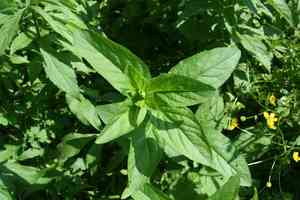
Originating from humid environments, green figwort is most effectively multiplied by seeding. For successful sprouting, utilize newly harvested seeds and offer a damp, adequately draining substrate. A moderate outdoor setting replicates green figwort's inherent surroundings, fostering peak development. A light dusting of soil over the seeds can shield them without obstructing their light exposure, which is vital for sprouting. Consistent irrigation to preserve soil dampness, alongside perseverance, given the variable germination rates, will aid in the successful cultivation of green figwort.
Optimal Period for Green Figwort Propagation
Propagation Method
Seeding
Propagation Season
Spring
Tools for Green Figwort Propagation
Seed trays
Seed trays are crucial for germinating green figwort seeds, enabling efficient use of space and simple management of young seedlings. Their shallow design and compartments aid in uniform moisture distribution, vital for delicate seeds, and foster robust root growth without crowding.
Fine mesh sieve
A fine mesh sieve assists in creating a smooth and even seedbed, which is vital for the tiny seeds of green figwort. This tool helps spread soil uniformly over the seeds, essential for good seed-to-soil contact and improved germination rates.
Misting bottle
A misting bottle offers a gentle method to water seeds without disturbing them, especially beneficial for the small green figwort seeds that could be dislodged by a stronger water stream. Consistent misting helps maintain ideal moisture levels, boosting successful germination.
Heat mat
A heat mat aids in maintaining a steady soil temperature, which is important for green figwort germination. By providing a constant heat source, a heat mat ensures the soil temperature remains optimal, significantly enhancing germination speed and consistency.
Grow lights
Grow lights are important if propagating green figwort indoors or in low-light conditions. They provide a controlled light source that can be adjusted to mimic natural sunlight, promoting healthier growth and development of seedlings by ensuring they receive sufficient light.
How to Propagate Green Figwort?
Propagation Type
Simple
Caring for Your Newly Propagated Green Figwort
Caring for Your Newly Propagated Green Figwort
Post-transplant, maintain moderate soil moisture and ensure plants are in partial shade, as green figwort prefers shaded environments. Regularly inspect for pests and diseases, particularly during warm, humid periods. To encourage denser growth, pinch off the tips of young shoots. Fertilize lightly in early spring to support vigorous plant health. Green figwort thrives in rich, moist soils, so mulching can help preserve soil moisture and reduce weed competition.
Common Mistakes to Avoid When Propagating Green Figwort
Overwatering
Excessive watering can lead to root rot in green figwort, severely damaging its root system and hindering its ability to absorb nutrients and water.
Poor soil choice
Using an unsuitable soil mix that lacks proper drainage or essential nutrients can impede green figwort's growth. Poor soil choice can result in nutrient deficiencies or waterlogged roots, both harmful to plant health.
Excessive feeding
Over-fertilizing green figwort during the initial propagation stages can burn the roots and harm young plants, leading to stunted growth or plant death.
Ignoring pest management
Neglecting early signs of pest infestation on green figwort, especially during the sensitive propagation stages, can lead to significant damage and reduce overall plant vigor.
Tips For Propagating Green Figwort
Correct soil mixture
Utilizing a well-draining, nutrient-rich soil mix provides essential support for green figwort's root development during propagation. It ensures the plant has access to adequate nutrients without the risk of waterlogging.
Moderate watering
Ensure that green figwort receives consistent but moderate watering to keep the soil moist but not overly saturated. This balance is crucial for encouraging healthy root growth without risking root rot.
Gentle fertilizer application
Applying a balanced, gentle fertilizer after initial rooting can help green figwort establish itself by promoting healthy foliage and root development, without overwhelming the young plant.
Regular monitoring for pests
Closely monitoring green figwort for pest activity during propagation can help prevent infestations that could weaken or kill young plants. Prompt action at the first signs of pests will protect the plant's growth.



