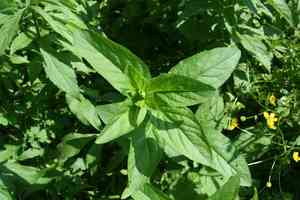
Green figwort(Scrophularia umbrosa)

Green figwort (Scrophularia umbrosa)

Also known as: Water betony, Fiddlewood

Green figwort (Scrophularia umbrosa) and water figwort (Scrophularia auriculata) are perennial herbs that thrive in moist environments, but they have some distinct characteristics:

1. **Stem Appearance**:
- **Green Figwort**: Features a greener, more angular stem without winged ridges.
- **Water Figwort**: Has stems with noticeable winged ridges.

2. **Leaf Structure**:
- **Green Figwort**: Lacks leaf auricles (ear-like projections at the leaf base).
- **Water Figwort**: Often has prominent leaf auricles.

3. **Habitat**:
- **Green Figwort**: Found in nutrient-rich soils near water sources or in wet woodlands.
- **Water Figwort**: Prefers habitats directly associated with water bodies like riverbanks and marshes.

4. **Pollination**:
- **Green Figwort**: Typically pollinated by wasps and bees.
- **Water Figwort**: Attracts a similar range of pollinators.

These differences in stem and leaf morphology, as well as slight habitat preferences, help distinguish green figwort from water figwort.

Attributes of Green figwort

Lifespan
Perennial
Plant Type
Herb
Plant Height
50-150 cm
Spread
Typically not measured due to growth habit
Leaf Color
Green
Flower Size
0.5-1.2 cm
Flower Color
Yellow Red Purple Green

ForwardPlant - Identify plants with a snap

Identify and diagnose plants, get toxicity alerts, and explore safety guides for all types of fungi.

Try for Free

Images of Green figwort

Green figwort(Scrophularia umbrosa)

Quickly Identify Green figwort

1
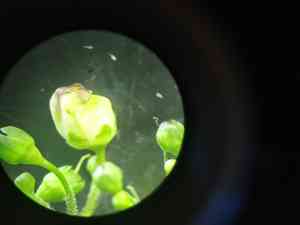
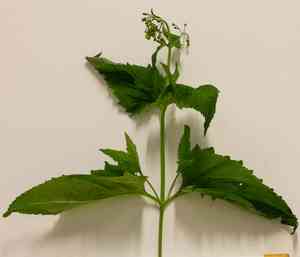
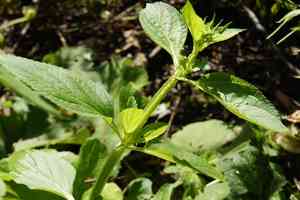
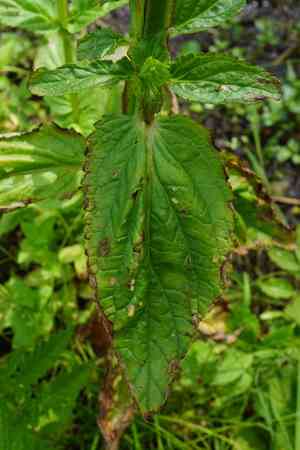
To identify Scrophularia umbrosa, look for square stems and opposite leaves that are ovate to lance-shaped with serrated edges. The small, tubular flowers are key identifiers, usually brownish-purple and bunched in clusters.

Scientific Classification of Green figwort

Phylum
Vascular plants
Class
Dicotyledons
Order
Lamiales
Family
Figwort
Genus
Figworts
Species
Green figwort

Planting and Growing of Green figwort

Care Difficulty
Easy
Watering Schedule
Every 4 days
Sunlight Requirements
Partial sun
Sunshine Duration
6-8 hours
Ideal Temperature
60-75℉
Soil Type
Potting Mix, Peat Mix
Soil pH
6.5-7.5
Fertilizer Type
Balanced
Pruning Season
Spring, Summer
Pruning Area
Branches, Leaves
Pruning Frequency
2 times a year
Repotting Season
Spring
Pot Type
Plastic, Ceramic

water icon How to Water Green figwort?

For Scrophularia umbrosa, it is essential to water until the soil is evenly moist, ensuring that excess water drains away. Aim to provide about 250 ml of water until the water slightly seeps through the drainage holes of the pot. This ensures that the roots are adequately hydrated while preventing waterlogging.
What are the symptoms of an underwatered Green figwort? ›
What should I do if my Green figwort is not getting enough water? ›
What are the symptoms of an overwatered Green figwort? ›
How to save an overwatered Green figwort? ›

sunlight icon What Are the Sunlight Requirements for Green figwort?

Sunlight Requirements: Partial sun
Duration of light: 3 to 6 hours
Partial sun is ideal for Scrophularia umbrosa, yielding a balance between growth and protection from intense light. This setup ensures optimal photosynthesis, vibrant foliage, and strong structural health without the risk of leaf burn.
How much light does it need? ›
What happens if it gets too little light? ›
How to maximize light exposure without harm? ›
More About Sunlight Requirements Techniques→

temperature icon What Is the Ideal Temperature Range for Green figwort?

Ideal Temperature: 60 ~ 75℉
Scrophularia umbrosa thrives best within a temperature range of 60 to 75°F. This range supports optimal physiological processes such as photosynthesis and respiration, ensuring healthy growth and flowering. Maintaining these temperatures helps to prevent stress on the plant, contributing to its overall health and vigor.

soil icon What Soil is Best for Green figwort?

Soil type: Loam, Sandy loam, Clay soil
Soil PH: 6.5 ~ 7.5
Scrophularia umbrosa thrives in well-draining soil. This requirement helps prevent root rot, a common issue for many plants, ensuring the roots get enough oxygen and nutrients without sitting in water. While drainage is important, the soil should also retain enough moisture. Loamy soil is ideal as it strikes a balance between retaining moisture and ensuring excess water doesn't pool around the roots. Providing nutrient-rich soil helps Scrophularia umbrosa grow robustly. Loamy soil often contains sufficient organic matter, nourishing the plant and supporting healthy development and flowering.

fertilize icon How to Fertilize Green figwort?

Fertilizer type: Balanced
For Scrophularia umbrosa, it is recommended to use a balanced fertilizer with an NPK ratio of 10-10-10. Approximately 1 tablespoon per gallon of water should do the trick when using liquid fertilizers. Ensure the soil is moist before application to prevent any root burn.

prune icon How to Prune Green figwort?

Pruning Time: Spring, Summer
Start by removing any dead, damaged, or diseased stems. This prevents the spread of diseases and allows the healthy parts of the plant to thrive. Trim the outer stems to shape the plant and maintain its natural form. This not only makes the plant look neat but also encourages new growth and better blooms. Pruning should also focus on improving air circulation by thinning out crowded areas. Increased airflow helps prevent fungal issues and keeps the plant healthy. More About Pruning Techniques→

propagate icon How to Propagate Green figwort plant?

Propagate Time: Spring,Late spring,Early spring,Autumn,Late autumn,Early autumn
1
Begin by collecting seeds from mature Scrophularia umbrosa plants. Clean the seeds to remove any debris before planting. Sow seeds lightly on seed trays filled with a soilless seed-starting mix.
2
Select healthy, disease-free stems for cuttings in late spring. Use pruning shears to cut below a node, ensuring each cutting has at least two nodes. Remove the lower leaves before planting.
3
During early spring, gently dig up the plant clump. Use a sharp tool to divide the rootball into smaller sections, ensuring each section has roots attached. Replant the divisions promptly to avoid drying out.
More About Propagating Techniques→

repot icon How to Repot Green figwort plant?

Repotting frequency: Every 2 years
1
Repot your Scrophularia umbrosa when you notice roots pushing through the drainage holes, or when the soil dries out too quickly after watering. These signs indicate that the plant has outgrown its current pot and requires more space to thrive.
2
Select a pot that is 1-2 inches larger in diameter than the current one. This allows the roots room to expand without overwhelming the plant with excess soil. A pot with adequate drainage holes will prevent water accumulation that can lead to root rot.
3
Opt for a well-draining potting mix enriched with organic matter. This kind of soil retains the necessary moisture without becoming waterlogged, offering a balanced environment for Scrophularia umbrosa to grow healthily.

ForwardPlant - Identify plants with a snap

Find the best spots for them to optimize their health, simply using your phone.

Try for Free