How to Transplant Hyacinth bluebell?
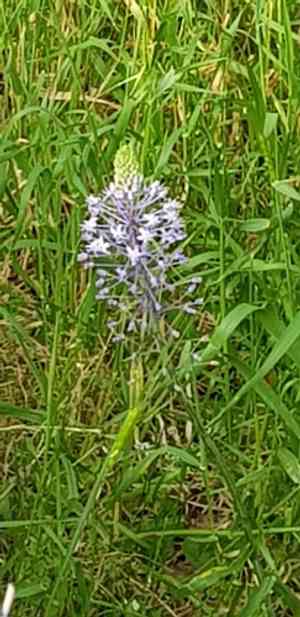
The most suitable period for relocating Hyacinthoides non-scripta generally coincides with the mild temperatures of late spring through mid-summer, ensuring root development prior to colder weather. Choose an area featuring soil that drains effectively and receives dappled sunlight. Should it be necessary, enhance the spot with compost to boost its vigor.
Necessary Preparations Before Moving Hyacinth Bluebell?
Optimal Period for Relocating Hyacinth Bluebell?
When the gentle warmth of late spring graces the garden, it's the ideal time for nurturing hyacinth bluebell. This season provides a mild climate, avoiding winter's harsh cold and mid-summer's intense heat, which could stress plants during their critical establishment phase. By transplanting hyacinth bluebell then, you offer them comfortable, stable growing conditions, encouraging robust root development. This is a peaceful time for hyacinth bluebell to settle, spread roots, and prepare for a strong bloom next season. I assure you, choosing this time for transplanting gives your hyacinth bluebell the best start in its new home, ensuring a stunning display year after year.
Required Spacing Between Hyacinth Bluebell Plants?
Dear gardener, ensure to space hyacinth bluebell at least 2-3 feet (about 60-91 cm) apart. This allows roots ample room to spread and grow, leading to a happier, healthier plant. Prepare your plot accordingly!
Best Soil Blend for Hyacinth Bluebell Relocation?
Remember, hyacinth bluebell prefers well-drained soil, so ensure your plot isn't waterlogged. Before transplanting, enrich the soil with a base fertilizer, preferably a balanced type, to boost their growth. Happy gardening!
Where to Replant Your Hyacinth Bluebell?
Find a sunny to partially shaded spot for your hyacinth bluebell. These plants thrive in locations with ample sunlight but appreciate some afternoon shade. You're doing great, keep it up!
Equipment Needed Before Transplanting Hyacinth Bluebell?
Gardening Gloves
Essential for hand protection when working with soil and the hyacinth bluebell plant.
Shovel
For digging holes in the ground for replanting.
Pruning Shears
To trim and remove any damaged or excess branches from the hyacinth bluebell plant.
Watering Can
To hydrate the hyacinth bluebell before and after the relocation process.
Wheelbarrow or Bucket
To move the hyacinth bluebell plant from its original spot to the new location.
Trowel
Useful for handling small, delicate roots when unearthing the plant.
How to Extract Hyacinth Bluebell from the Soil?
How to Extract Hyacinth Bluebell from the Soil?
From Ground: Start by watering the hyacinth bluebell to moisten the soil. This will facilitate easier plant extraction. Use a shovel to dig a wide trench around the plant, being careful not to harm the root ball. Once the soil is loose, slide the shovel under the root ball to lift the plant from its original position.From Pot: Water the hyacinth bluebell in the pot to dampen the soil. Then, gently tilt the pot sideways and carefully ease the plant out, taking care not to pull or stress the stem or roots.From Seedling Tray: Water the cells containing hyacinth bluebell to help seedlings slide out more easily. Gently push the plant out from the bottom, again being very careful not to damage its tender roots.
Step-by-Step Guide for Relocating Hyacinth Bluebell
Preparation
Clear the new area of any weeds or rocks, then dig a hole twice the width and the same depth as the hyacinth bluebell's root ball.
Placement
Position the hyacinth bluebell in the hole, ensuring the top of the root ball is level with or slightly below the ground surface.
Backfill
Carefully refill the hole with soil, gently firming it around the hyacinth bluebell's root ball.
Watering
Thoroughly water the hyacinth bluebell immediately after transplanting, ensuring the soil is well-hydrated but not waterlogged.
Mulching
Finally, apply a layer of mulch around the plant bases, being careful not to pile it against the stem. This helps retain soil moisture and suppress weeds.
Post-Transplant Care for Hyacinth Bluebell?
Watering
Ensure the soil remains consistently moist but not waterlogged during the first few weeks after transplanting hyacinth bluebell to encourage strong roots.
Pruning
If the hyacinth bluebell plant appears stressed, remove any wilted or dead leaves, but avoid heavy pruning until the plant has recovered from transplant shock.
Protection
Depending on the season, consider installing a protective cover for the young hyacinth bluebell plant to shield it from harsh weather conditions or pests.
Troubleshooting Common Hyacinth Bluebell Transplant Issues.
When is the best time to move hyacinth bluebell?
The ideal time to transplant hyacinth bluebell is from mid-autumn to early winter (S3-S5). This allows it to establish before spring growth.
What's the optimal distance between two hyacinth bluebell plants during relocation?
Maintain a distance of about 2-3 feet (60-90 cm) between each hyacinth bluebell. This provides ample space for each plant to grow and thrive.
Why is my relocated hyacinth bluebell wilting?
Wilting after transplanting could be due to stress. Ensure your hyacinth bluebell is adequately watered, receives filtered sunlight, and consider using a root stimulator.
Should I trim hyacinth bluebell before moving it?
Pruning hyacinth bluebell isn't strictly necessary before transplanting, but removing dead or damaged parts can promote healthier growth post-transplant.
Can I move hyacinth bluebell when it's in full bloom?
While possible, it's advisable to transplant hyacinth bluebell before its bloom cycle. This reduces stress and helps the plant focus on root establishment.
Why are the leaves of my relocated hyacinth bluebell turning yellow?
This could indicate overwatering or poor drainage. Hyacinth bluebell prefers well-drained soil, so always check moisture levels before watering.
What kind of soil is suitable for transplanting hyacinth bluebell?
Hyacinth bluebell thrives in well-drained, fertile soil. Adding organic matter or compost during transplanting can significantly improve soil nutrient content.
Should I fertilize hyacinth bluebell after transplanting?
Absolutely! Fertilizing hyacinth bluebell after transplanting provides essential nutrients. However, wait a few weeks post-transplant to prevent root burn from excessive fertilizer.
What if my relocated hyacinth bluebell isn't growing?
Check planting depth, water levels, soil quality, and sunlight exposure. Adjust these factors if necessary. Sometimes, plants need time to acclimate after transplanting.
Can hyacinth bluebell survive in a shaded area after transplanting?
Hyacinth bluebell enjoys filtered sunlight but can tolerate light shade. If your area is heavily shaded, consider providing additional light or moving the plant to a sunnier spot.



