How Much Sunlight Do Hyacinth bluebell Need?
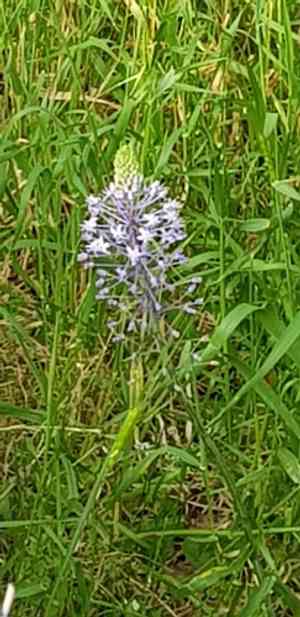
1
Hyacinth bluebells flourish in areas with some shade, making them ideal for woodland settings.
2
A light meter can assist in identifying the precise illumination requirements for your Hyacinth bluebell.
3
Monitor your Hyacinth bluebell for indications of excessive or insufficient light to modify its position.
Optimal Illumination for Hyacinth bluebell
Partial Shade Preference
The Hyacinth bluebell, a woodland perennial, thrives best in partial shade. This means it can endure some direct sun, ideally for about 3-6 hours daily, but favors being shaded for a larger portion of the day. Positioning your Hyacinth bluebell in partial shade helps replicate its natural environment beneath tree canopies, where it receives filtered sunlight.
Filtered Sunlight
Filtered sunlight refers to light that passes through tree leaves, creating a mix of bright and shaded areas. This type of illumination is perfect for Hyacinth bluebells, as it shields them from intense midday sun while providing sufficient light for photosynthesis. If natural filtered sunlight isn't available, you can simulate it using trellises or shade cloths in your garden.
Assessing Light Levels for Hyacinth bluebell
Utilizing a Light Meter
For precise measurements, a light meter is an excellent device. This tool can help ensure your Hyacinth bluebell gets the correct amount of light. Light meters quantify light intensity in either foot-candles or lux. For Hyacinth bluebells, aim for approximately 1000-2500 lux (around 93-232 foot-candles). A light meter assists in finding the ideal balance across different garden areas.
Observing Plant Behavior
Another effective method to gauge light levels is by observing your Hyacinth bluebell's reactions. If the plant exhibits signs of distress like yellowing leaves or scorched areas, it might be receiving too much sun. Conversely, if it becomes elongated or produces fewer blooms, it may not be getting enough light. Paying close attention to these indicators can guide you in adjusting its placement for optimal development.
Issues Arising from Inappropriate Lighting
Symptoms of Excessive Sunlight
If a Hyacinth bluebell receives too much sunlight, you might observe leaf scorching, appearing as brown or yellow patches. The plant may also seem wilted despite adequate watering, as excessive sun can cause dehydration. If these symptoms appear, gradually move your plant to a shadier spot to lessen stress.
Symptoms of Insufficient Light
Conversely, inadequate light can cause Hyacinth bluebells to become leggy, with stems stretching towards the light source. Additionally, the plant may produce fewer flowers and have pale green foliage. To correct this, gradually introduce the plant to a brighter area with filtered or dappled light until you notice an improvement in its growth patterns.
Optimal Planting Locations for Hyacinth bluebell
Beneath Trees and Shrubs
One of the best places to plant Hyacinth bluebells is under trees and shrubs. These spots naturally offer the partial shade and filtered sunlight that Hyacinth bluebells prefer. The trees or shrubs shield the plants from the full intensity of direct sunlight while allowing enough light to pass through for healthy growth.
North or East-Facing Garden Beds
Another ideal location is north or east-facing garden beds. These areas receive gentle morning sunlight and are shaded for the remainder of the day, which perfectly matches the Hyacinth bluebells' lighting requirements. Avoid planting them in south or west-facing spots where the intense afternoon sun can be too harsh.
Impact of Seasonal Changes on Hyacinth bluebell
Spring and Early Summer Growth
In spring and early summer, Hyacinth bluebells are in their active growth phase. During this period, they require more light to support blooming and leaf development. Ensure they are positioned where they'll receive ample filtered sunlight for vigorous growth.
Dormancy in Late Summer and Fall
As summer transitions into late summer and fall, Hyacinth bluebells enter a dormant period. During this time, they need less light as their growth slows. This is a natural cycle, and you might notice the foliage dying back, which is completely normal.



