How to Propagate Hyacinth bluebell?
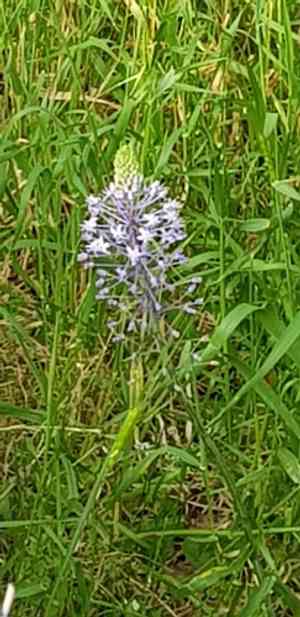
Hyacinth bluebell, known for its vibrant bell-shaped flowers, flourishes when multiplied using its inherent tubers. Cultivators ought to meticulously detach these tubers from the primary plant during its inactive phase, making sure every segment possesses a minimum of one budding point. This facilitates more robust and energetic growth upon re-establishment in adequately draining earth. Careful manipulation is essential to prevent harm to the fragile tubers, fostering peak development and flowering in future periods.
What Is the Best Time To Propagate Hyacinth Bluebell?
Propagation Type
Utilize The Tubers
Propagation Season
Spring
What Tools Are Used in Hyacinth Bluebell Propagation?
Garden Trowel
The garden trowel is vital for digging and managing soil around hyacinth bluebell. It's specifically employed to carefully excavate around the plant's base to lift and separate tubers without causing harm. The trowel's narrow, pointed blade is perfect for navigating dense soil without damaging the delicate tubers.
Pruning Shears
Pruning shears are essential for cleanly cutting any attached roots or unnecessary parts of the tuber during hyacinth bluebell propagation. They enable precise cuts that help prevent disease spread and plant stress, ensuring healthy regrowth.
Planting Pots
Suitable for potting individual hyacinth bluebell tubers, these containers promote healthy root development. By using pots, you can more effectively control soil quality and moisture levels, which is crucial for the successful establishment of new plants from tubers.
Watering Can with Fine Rose
This tool is important for gently watering newly planted hyacinth bluebell tubers. The fine rose attachment distributes water evenly and lightly, preventing soil displacement or damage to the shallow, newly forming roots, encouraging steady growth.
Rooting Hormone Powder
This specialized tool encourages faster root formation in hyacinth bluebell tuber cuttings. Applying rooting hormone to cut surfaces before planting can significantly boost the success rate and overall health of new plants, as it stimulates root growth at an accelerated pace.
How to Care for Your Newly Propagated Hyacinth Bluebell?
How to Care for Your Newly Propagated Hyacinth Bluebell?
Once hyacinth bluebell has been successfully propagated, ensure they receive proper care to flourish. Maintain consistent watering, especially during dry spells, and apply a balanced fertilizer in early spring or as new growth emerges to promote healthy foliage and blooming. Remove spent flowers to encourage more blooms and improve the plant's appearance. Over time, hyacinth bluebell may naturally produce offsets or daughter tubers, which can be separated and replanted to expand your collection or share.
Common Mistakes to Avoid When Propagating Hyacinth Bluebell
Overwatering
Watering hyacinth bluebell too often can lead to root rot, as their bulbs are sensitive to excessive moisture. This condition jeopardizes the plant's overall health and hinders effective bulb development.
Deep planting
Placing hyacinth bluebell's bulbs too deep in the soil can prevent them from sprouting. Bulbs buried too deeply struggle to reach the surface, potentially resulting in delayed or no growth.
Neglecting bulb separation
Hyacinth bluebell bulbs need to be separated and replanted to avoid overcrowding. Overcrowded conditions can reduce air circulation and nutrient availability, leading to stunted growth and fewer flowers.
Using poor draining soil
Hyacinth bluebell requires well-draining soil. Using a soil mix that retains too much water can cause the bulbs to rot, impeding growth and reducing the plant's survival rate.
Tips For Propagating Hyacinth Bluebell
Appropriate bulb depth
Plant hyacinth bluebell's bulbs at a depth approximately three times the bulb's height. This depth helps support proper sprouting and root development without being too deep to prevent emergence.
Adequate spacing
Ensure hyacinth bluebell bulbs are spaced sufficiently to allow for growth and air circulation. This prevents fungal diseases and provides each plant enough nutrients from the soil.
Soil composition
Use a well-draining soil mix for hyacinth bluebell. A blend of loamy soil with added organic matter like compost ensures good drainage and provides the necessary nutrients for healthy growth.
Moisture management
While maintaining moisture is crucial for hyacinth bluebell, especially during the growth phase, ensure the soil is not waterlogged. Water the plant only when the top inch of soil feels dry to the touch.



