The Hyacinth bluebell Plant Advantage: Maximizing Home and Office Appeal and Wellness
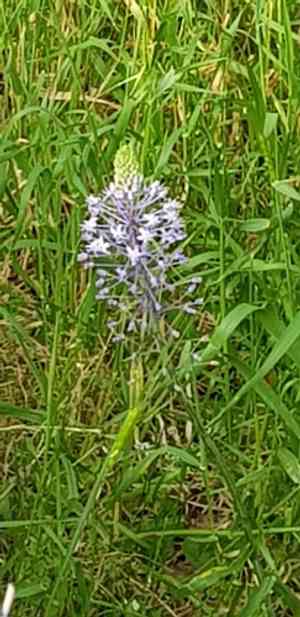
1
Hyacinth bluebell flourishes in soil that drains effectively and in areas with partial sunlight.
2
This flora offers beautiful blossoms in springtime, improving any outdoor space.
3
Hyacinth bluebell is recognized for its inherent capacity to deter specific unwanted insects.
Cultivating Hyacinth bluebell Successfully
Ideal Growth Conditions
For Hyacinth bluebell to thrive, plant it in soil that drains well and receives partial shade. While it tolerates various soil types, enriching the soil with organic matter boosts its development. Consistent watering, especially after initial planting, aids root establishment. Mulching around the base helps retain moisture and stabilize temperature, promoting healthy growth.
Planting and Spreading Advice
Hyacinth bluebell is typically propagated by dividing its bulbs. The optimal time for this is in autumn, allowing bulbs to settle over winter. Plant bulbs with the pointed end facing up, approximately 4 inches deep and 6 inches apart. Once established, Hyacinth bluebell needs little care, with occasional removal of faded flowers to encourage more blooms.
Environmental Advantages of Hyacinth bluebell
Soil Enhancement
Hyacinth bluebell improves soil health by boosting its structure and fertility. Its root system helps aerate the soil, improving water and nutrient absorption. Over time, decaying plant material adds organic content, enriching the soil's texture and quality.
Support for Local Wildlife
By planting Hyacinth bluebell, you create a habitat that benefits local wildlife. Its flowers attract pollinators like bees and butterflies, vital for ecological balance. The plant's dense foliage also offers refuge for various beneficial insects, fostering a vibrant garden ecosystem.
How Hyacinth bluebell Improves Garden Appearance
Seasonal Visual Appeal
Hyacinth bluebell is prized for its stunning blue blooms that signal spring's arrival. These vibrant flowers offer a striking contrast against green foliage, adding depth and color to garden beds and borders. Its visual impact is amplified when planted in masses, creating a spectacular display that captivates any observer.
Pairing with Other Plants
Hyacinth bluebell combines well with various other plants, allowing for flexible garden designs. It complements both early and late bloomers, ensuring continuous color throughout the growing season. Consider pairing Hyacinth bluebell with other spring bulbs like tulips or daffodils for a layered effect. Its compatibility with perennials and annuals also makes it a versatile choice for any garden layout.
Practical Benefits of Hyacinth bluebell
Natural Pest Deterrent
Hyacinth bluebell is not only beautiful but also acts as a natural pest repellent. Its presence in the garden can reduce certain pest infestations, lessening the need for chemical treatments. This eco-friendly approach helps maintain a balanced ecosystem and promotes sustainable gardening practices.
Low-Effort Gardening
Once established, Hyacinth bluebell requires minimal attention, making it perfect for gardeners seeking low-maintenance options. Its resilience and adaptability mean fewer interventions are needed to keep it looking its best. Regular trimming and occasional feeding during the growing season are usually enough to ensure strong growth and consistent blooming.
Optimal Placement for Hyacinth bluebell in Your Garden
Borders and Walkways
Hyacinth bluebell is an excellent choice for lining borders and pathways. Its compact growth and attractive flowers create well-defined edges, guiding visitors through the garden. This placement also allows easy access for viewing and care, making the plant both functional and decorative.
Pots and Rock Gardens
For those with limited space, Hyacinth bluebell thrives in containers and rock gardens. Its bulbs adapt well to confined areas, offering an opportunity to enjoy its beauty even in urban settings. Container planting allows for flexible arrangements and easy relocation, making it ideal for patios, balconies, or as accent pieces within larger landscape designs.



