How to Transplant Hardstem tule?
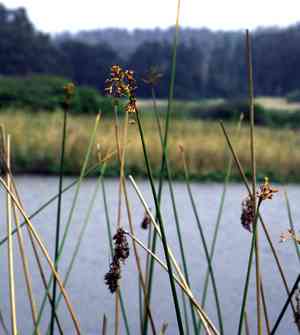
For hardstem tule, the optimal period for relocation is from late spring through mid-summer, capitalizing on vigorous development. Select a bright, damp spot to foster flourishing. Indeed, its low maintenance requirements contribute to its adaptabilityâsimply guarantee the substrate remains hydrated for superior rooting.
Necessary Preparations Before Relocating Hardstem Tule?
Optimal Period for Hardstem Tule Relocation?
The ideal time for moving hardstem tule spans from late spring through mid-summer, a period conducive to strong root development and recovery.
Required Spacing Between Hardstem Tule Plants?
When re-homing hardstem tule, allow ample room for growth. Aim for a separation of about 18-24 inches (45-60 cm) between plants. This ensures sufficient space for root expansion and healthy maturation!
Preferred Soil Mixture for Hardstem Tule Transplanting?
Hardstem tule prefers rich, well-draining soil. Incorporate compost or a balanced slow-release fertilizer to prepare an inviting bed. This soil amendment will provide a beneficial start for your plants.
Recommended Location for Hardstem Tule Relocation?
Hardstem tule thrives in sunlight, so select a bright location where they can receive full sun for most of the day. This sunny spot will provide the warmth and light necessary for their new environment.
Equipment to Prepare Before Transplanting Hardstem Tule?
Gardening Gloves
To safeguard your hands while handling soil and plants.
Shovel or Spade
For excavating and moving the plant.
Wheelbarrow or Garden Cart
To transport the plant and soil.
Pruning Shears
To trim any damaged roots or foliage.
Watering Can or Hose
To hydrate the plant before and after relocation.
Garden Trowel
For precise soil manipulation and smaller digging tasks.
Mulch
To aid in retaining soil moisture and suppressing weed growth post-transplant.
Measuring Tape
To ensure correct spacing during replanting.
How to Extract Hardstem Tule from the Soil?
How to Extract Hardstem Tule from the Soil?
From Ground: First, moisten the hardstem tule plant's soil. Then, use a shovel or spade to dig a wide trench around the plant, keeping the root ball intact. Carefully work the spade beneath the root ball to lift the plant from its original spot.From Pot: Begin by watering the hardstem tule plant to soften the soil for easier handling. Turn the pot on its side, grasp the plant at its base, and tap the bottom to loosen it. Gently pull the plant out, supporting the root ball to prevent harm.From Seedling Tray: Water the seedlings to ensure moist soil. Use a garden trowel or your fingers to carefully lift each hardstem tule seedling from its compartment, taking care not to damage the roots.
Step-by-Step Guide for Transplanting Hardstem Tule
Transporting
Carefully place the hardstem tule plant into a wheelbarrow or garden cart, ensuring the root ball is stable for transfer to its new site.
Preparing Hole
Use a shovel to excavate a hole in the ground that is twice the width and equal to the depth of the hardstem tule's root ball.
Root Pruning
Inspect the roots and use pruning shears to remove any damaged or circling ones to encourage new growth.
Placing Plant
Gently position the hardstem tule into the prepared hole, ensuring it is planted at the same depth as its previous growing location.
Backfilling
Start refilling the hole with native soil, gently compacting it to eliminate air pockets and secure the hardstem tule.
Watering
Thoroughly water the hardstem tule, ensuring the root zone is saturated to help minimize transplant shock.
Applying Mulch
Apply a layer of mulch around the base of the hardstem tule to conserve moisture and regulate soil temperature.
Post-Transplant Care for Hardstem Tule?
Consistent Watering
Maintain a regular watering schedule to keep the soil around the hardstem tule moist until it is well-established.
Mulching
Keep the mulch replenished around the hardstem tule to retain moisture and deter weeds.
Pruning
Trim any dead or damaged foliage to direct the hardstem tule's energy towards establishing its root system.
Observation
Monitor the hardstem tule for signs of stress, such as wilting or discolored leaves, and adjust care as needed.
Resolving Common Hardstem Tule Transplantation Issues.
What is the best period for transplanting hardstem tule?
Transplant hardstem tule during its prime season, from late spring to mid-summer, for optimal growth outcomes.
What spacing is recommended for hardstem tule during transplanting?
For healthy development, space hardstem tule approximately 18-24 inches (45-60 cm) apart. This spacing supports robust growth.
How should I prepare the soil for hardstem tule transplanting?
Enhance the soil with organic matter and ensure it drains well before transplanting hardstem tule.
Can hardstem tule be transplanted into full sun locations?
Yes, hardstem tule thrives in full sun. Choose a sunny spot to encourage vigorous growth after transplanting.
Should I water hardstem tule immediately after transplanting?
Indeed, water hardstem tule generously after transplanting to help settle the soil and hydrate the roots.
How deep should hardstem tule roots be planted during transplanting?
Plant hardstem tule roots at the same depth as they were in the previous pot or slightly deeper for stability.
What measures can prevent transplant shock in hardstem tule?
Minimize root disturbance during transplanting, and ensure hardstem tule is well-watered and mulched to reduce stress.
How can I determine if hardstem tule has successfully transplanted?
Successful transplanting is indicated by new growth on hardstem tule, such as fresh shoots or leaves.
Can I fertilize hardstem tule right after transplanting?
Wait a few weeks post-transplant before fertilizing hardstem tule to avoid overwhelming the plant during its adjustment period.
Why are my transplanted hardstem tule plants wilting?
Wilting after transplanting may stem from root damage, insufficient water, or transplant shock. Provide consistent moisture and shade if necessary.



