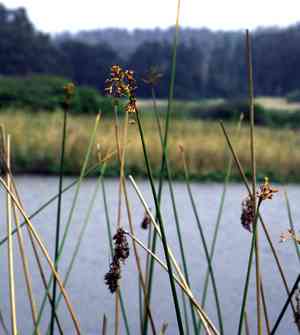
Hardstem tule (Schoenoplectus acutus)
Also known as: Hardstem bulrush
Water sedge (Carex aquatilis) is a prominent sedge species found in North America's marshes, mountain meadows, wet grasslands, and plains grasslands. It frequently forms dense stands in wet areas and is vital for preventing shoreline erosion by stabilizing the soil and buffering against wind and water forces.
In This Article
Attributes of Hardstem tule
Lifespan
Perennial
Plant Type
Herb
Plant Height
91 cm to 2.5 m
Spread
15 cm to 30 cm
Leaf Color
N/A (stems instead of true leaves)
Flower Size
2.5 cm
Flower Color
White Yellow Red Brown
Images of Hardstem tule
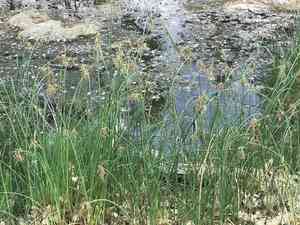
Quickly Identify Hardstem tule
1
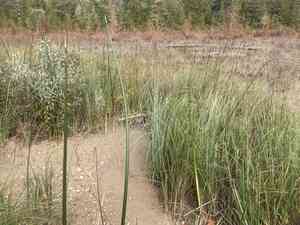
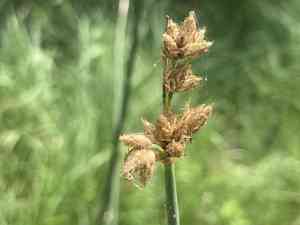
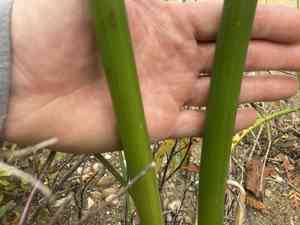
To identify Schoenoplectus acutus, look for tall, rigid, and green to reddish-brown stems that are round in cross-section. The plant lacks true leaves but may have sheaths at the base. Check the habitat, as it usually grows in wetland areas.
Scientific Classification of Hardstem tule
Phylum
Vascular plants
Class
Monocotyledons
Order
Poales
Family
Sedge
Genus
Bulrush
Species
Hardstem tule
Planting and Growing of Hardstem tule
Care Difficulty
Easy
Watering Schedule
Every 8 days
Sunlight Requirements
Full sun
Sunshine Duration
4-8 hours
Ideal Temperature
68-77℉
Soil Type
Potting Mix, Peat Mix
Soil pH
6.5-7.5
Fertilizer Type
Balanced
Pruning Season
Spring, Summer
Pruning Area
Branches, Leaves
Pruning Frequency
2 times a year
Repotting Season
Spring
Pot Type
Plastic, Ceramic
 How to Water Hardstem tule?
Schoenoplectus acutus, commonly known as hardstem bulrush, thrives in wetland environments. Therefore, it requires a substantial amount of water to mimic its natural habitat. Each watering session should deliver approximately 500 milliliters, ensuring the soil remains consistently moist but not waterlogged. The key is to aim for dampness that penetrates to the roots, keeping the plant well-hydrated without drowning it.
What are the symptoms of an underwatered Hardstem tule?
›
What should I do if my Hardstem tule is not getting enough water?
›
What are the symptoms of an overwatered Hardstem tule?
›
How to save an overwatered Hardstem tule?
›
 What Are the Sunlight Requirements for Hardstem tule?
Schoenoplectus acutus ideally enjoys full to partial sun to ensure optimal photosynthesis, providing necessary energy and boosting its resilience while promoting lush and vigorous development.
More About Sunlight Requirements Techniques→
How much sunlight does it need?
›
Where should I place it for optimal light?
›
What benefits does ideal lighting offer?
›
 What Is the Ideal Temperature Range for Hardstem tule?
Schoenoplectus acutus thrives best when the surrounding temperature consistently falls within the range of 68°F to 77°F. This temperature range supports optimal metabolic activity, ensuring robust growth and healthy development of its stems and shoots.
 What Soil is Best for Hardstem tule?
Schoenoplectus acutus thrives best in soils that can retain moisture effectively. Flood-prone areas or those with constant water supply suit this plant, allowing it to maintain its lushness and bolster its resilience against dry spells. Well-aerated soil is crucial for the successful growth of Schoenoplectus acutus. Proper aeration ensures that the roots receive adequate oxygen, enhancing nutrient uptake and encouraging robust growth even in compact soil conditions. Rich organic content in the soil is favorable for Schoenoplectus acutus. The presence of decomposing plant material improves the soil structure, provides vital nutrients, and supports a beneficial microbial environment for plant health.
 How to Fertilize Hardstem tule?
When fertilizing Schoenoplectus acutus, also known as the hardstem bulrush, it is important to use a light hand. Apply liquid fertilizer at a concentration of half the recommended dose for other aquatic plants. This plant naturally thrives in nutrient-poor environments, so more is not better.
 How to Prune Hardstem tule?
It's important to wear gloves when pruning this plant, as its edges can be sharp and may cause cuts. Protecting your hands ensures a safer pruning experience. Always disinfect your tools before and after pruning to prevent the spread of diseases. This is crucial when dealing with multiple plants or dealing with a plant that was previously sick.
More About Pruning Techniques→
 How to Propagate Hardstem tule plant?
1
Gather seeds from mature Schoenoplectus acutus plants in the autumn before dispersal. Ensure the seeds are fully developed and not damaged, storing them in a cool, dry place until ready for sowing.
2
Fill seed trays with a light, well-draining seed-starting mix. Sow seeds evenly across the surface of the soil, lightly covering them with a thin layer of the mix to allow sufficient light for germination.
3
In early spring, use a garden fork to carefully lift the plant. Divide the rhizomes into sections, each containing roots and shoots, to ensure vigorous growth when replanted.
 How to Repot Hardstem tule plant?
1
Schoenoplectus acutus should be repotted when you notice its rhizomes are overcrowding the pot. This is a sign of growth maturity in its natural habitat where space becomes limited. Ideal times to repot are during the beginning of its active growing seasons, Spring and Summer, allowing the plant to establish well in its new pot.
2
Select a pot that is slightly larger and deeper than the current one. A robust container supports tall growth and prevents tipping over. The spaciousness helps accommodate future rhizome expansions without frequent disturbance. Drainage holes are crucial to prevent waterlogging, which can lead to root rot.
3
Opt for sandy loam that retains moisture yet ensures adequate drainage. Such soil mimics the plant's natural wetland environment, promoting healthy root development and providing necessary support for its tall, slender stems. This balance in soil texture helps the plant thrive without suffocating the roots.



