The Hardstem tule Plant Advantage: Maximizing Home and Office Appeal and Wellness
1
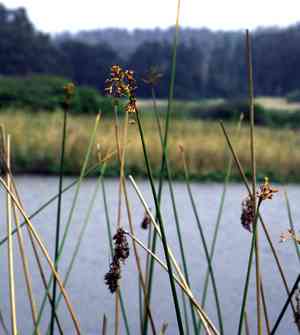
Hardstem tule aids in preventing soil degradation due to its widespread root network.
2
It offers a sanctuary for animals, fostering ecological variety.
3
Hardstem tule has historically served as a resource for artisanal and construction purposes.
Environmental Advantages of Hardstem Tule
Soil Erosion Prevention
A key ecological advantage of Hardstem tule is its capacity to prevent soil degradation. Its extensive and robust root network stabilizes the earth, making it less prone to being washed away by precipitation or wind. This is especially vital in areas susceptible to erosion, where Hardstem tule offers a natural remedy to preserve the landscape's integrity.
Carbon Sequestration
Hardstem tule plays a significant role in carbon capture, aiding in climate change mitigation. The plant absorbs and stores atmospheric CO2 within its biomass and roots, thereby decreasing the amount of greenhouse gases in the atmosphere. This process not only benefits the environment but also contributes to the overall well-being of our planet.
Practical Applications of Hardstem Tule
Traditional Crafts and Building Materials
Hardstem tule has been utilized by indigenous communities for centuries, particularly in crafting and construction. Its sturdy stalks are perfect for creating baskets, mats, and even shelters. The plant's flexibility and durability make it ideal for traditional and sustainable crafting, preserving cultural heritage and offering eco-friendly material options.
Water Purification
Another practical benefit of Hardstem tule is its ability to cleanse water. The plant's root system can absorb pollutants and nutrients from water, acting as a natural filter. This makes Hardstem tule essential in engineered wetlands and natural water purification systems, improving water quality and ecosystem health.
Why is Hardstem Tule Important for Wildlife?
Habitat Provision
Hardstem tule offers vital habitat for a diverse range of wildlife species. Its dense growth provides refuge and breeding grounds for birds, insects, and aquatic creatures. This contributes to biodiversity, supporting the life cycles of various species and maintaining ecological equilibrium.
Food Source
In addition to offering shelter, Hardstem tule serves as a food source for numerous animals. Its seeds and shoots are consumed by birds and mammals, integrating Hardstem tule into the food web and sustaining wildlife populations.
Integrating Hardstem Tule into Modern Landscaping
Erosion Control in Urban Areas
Hardstem tule can be effectively incorporated into urban landscaping to manage erosion in city parks and gardens. Its root system reduces soil runoff and maintains soil structure, making it a sustainable choice for urban greening initiatives. Furthermore, its presence in urban landscapes can enhance aesthetic appeal and provide green spaces for residents.
Constructed Wetlands
The use of Hardstem tule in engineered wetlands is increasingly recognized for its environmental advantages. These man-made ecosystems leverage the plant's natural filtration capabilities to treat wastewater and stormwater. By integrating Hardstem tule into constructed wetlands, cities can create efficient, low-cost water purification systems that also support local wildlife.



