How Much Sunlight Do Hardstem tule Need?
1
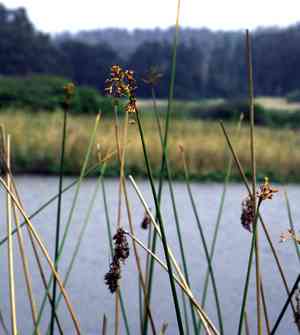
Hardstem tule flourishes with over six hours of direct sun exposure each day.
2
Some shade is acceptable, though it might affect peak development and thickness.
3
Periodic modifications are crucial for sustaining robust growth.
Optimal Light Requirements for Hardstem Tule
Full Sun Exposure
For peak development, Hardstem tule requires complete sun exposure, ideally exceeding six hours daily. As a heliophilic plant, it flourishes when situated in areas receiving direct sunlight throughout the day. This full exposure promotes vigorous growth, enabling the plant to achieve its maximum height and density. Consistent sunlight is particularly vital during its active growth phase to support photosynthesis and overall plant health.
Partial Shade Tolerances
Hardstem tule can endure partial shade, meaning it can survive and grow in locations that don't receive full sun all day. However, it's important to note that while the plant will persist, its growth may be less robust compared to full sun conditions. Partial shade might result in a less dense plant structure and slightly reduced height, potentially impacting its appearance and function, especially in landscape designs where stature and density are desired.
Understanding Sunlight's Influence on Hardstem Tule Growth
Photosynthesis Process
Sunlight is a crucial element for photosynthesis, which is fundamental for Hardstem tule's growth. Photosynthesis allows the plant to convert light energy into chemical energy, producing the food and power needed for its development and survival. Full sunlight ensures the plant can efficiently perform this process, leading to healthier and more vibrant growth. Insufficient sunlight impedes photosynthesis, resulting in weaker and less vigorous plants.
Impact on Height and Density
The amount of sunlight Hardstem tule receives directly affects its height and density. Plants with full sun exposure tend to grow taller and form denser clusters, which is beneficial for water gardens and natural waterway restoration. Conversely, inadequate light can lead to a sparse appearance with fewer stalks, diminishing the plant's visual and structural impact. Therefore, providing ample sunlight is essential to support its natural growth patterns.
Seasonal Light Variations
Summer Sunlight Needs
During summer, Hardstem tule benefits from extended daylight hours and increased intensity. This period is critical for its growth spurts and overall development. Ensuring the plant remains in a fully sunlit area is vital during these months, as it maximizes the advantages of the season's longer days and higher solar intensity, boosting its growth and vitality.
Winter Sunlight Adjustments
In winter, daylight hours are shorter, and intensity is reduced. During this time, Hardstem tule needs some adjustments to ensure it still receives adequate light. While the plant is more dormant in colder months, positioning it in the sunniest part of the garden can help maintain its health. If relocation isn't feasible, consider pruning nearby plants that might create shade to ensure Hardstem tule gets as much light as possible.
Tips for Ensuring Sufficient Sunlight
Choosing the Right Planting Location
One of the most practical tips for ensuring Hardstem tule gets enough sunlight is to select the correct planting site from the outset. Identifying spots in your garden or landscape that receive uninterrupted sunlight for at least six hours daily is crucial. Avoid areas with dense tree cover or structures that cast long shadows throughout the day. Additionally, southern or southwestern exposures often provide the best light conditions for sun-loving plants like Hardstem tule.
Using Reflective Mulches and Surfaces
Another method to enhance sunlight exposure for Hardstem tule is by utilizing reflective mulches and surfaces around the planting area. Reflective mulches can redirect light back to the plant, ensuring it receives more available sunlight, which is especially beneficial in partially shaded areas. Incorporating light-colored or metallic reflective surfaces near the plant can amplify sunlight, helping to ensure the plant gets adequate light even when direct sunlight is limited.
Common Sunlight-Related Issues and Solutions
Signs of Sun Scorch
While Hardstem tule is a sun-loving plant, excessive and intense sunlight can cause sun scorch, identifiable by dried or browned leaf tips. If you observe these symptoms, consider providing some afternoon shade during the hottest parts of the day or using a sunshade cover. Monitoring and adjusting exposure can help prevent further damage and ensure the plant remains healthy.
Dealing with Insufficient Light
If Hardstem tule is not receiving enough light, signs include stunted growth, pale coloration, and a generally weaker appearance. To remedy this, try moving the plant to a sunnier location or trimming back overhanging plant cover that might be blocking light. Reflective surfaces, as mentioned earlier, can also help in augmenting available light, ensuring the plant gets the necessary sunlight to thrive.



