How to Prune Hardstem tule?
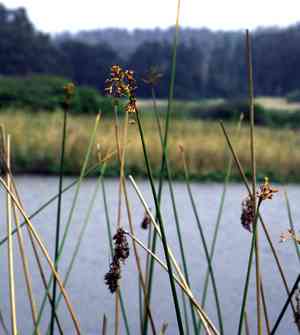
Hardstem tule, recognized by its robust, firm stalks, flourishes in aquatic settings. To ensure vigorous development, remove any withered or compromised leaves at their base whenever observed. The most effective time for trimming is in spring, prior to the emergence of fresh shoots. Undertaking maintenance during summer or autumn can also encourage more abundant foliage in the subsequent year. Trimming offers environmental advantages, including maintaining unobstructed water channels and fostering wildlife ecosystems. Employ sharp, sanitized implements to lessen strain and avert the spread of pathogens to hardstem tule.
What Are the Benefits of Pruning Hardstem Tule?
What Are the Benefits of Pruning Hardstem Tule?
Trimming hardstem tule promotes more robust development by eliminating dead or overgrown stalks, thereby boosting its overall vigor. Regular cutting helps preserve hardstem tule's form, preventing excessive density, which optimizes its structure and utility in its native environment or cultivated settings.
What Is the Best Time for Pruning Hardstem Tule?
What Is the Best Time for Pruning Hardstem Tule?
Spring pruning is optimal for hardstem tule as it coincides with the start of its active growth phase, ensuring quick recovery from pruning stress and encouraging healthy new shoots. Early Summer trimming is also advantageous, allowing hardstem tule to direct energy towards establishing stronger, more vigorous growth instead of maintaining excessive foliage. Late Fall is suitable for cutting hardstem tule to remove dead or diseased material post-growing season, minimizing infection risk and preparing the plant for winter dormancy without hindering new growth cycles.
What Tools Do I Need to Prune Hardstem Tule?
Heavy-Duty Pruners
For precise cuts and trimming dead or overgrown culms of hardstem tule, sharp, robust hand pruners are essential. They offer the necessary cutting power without causing undue harm to the plant's thick, tough stems.
Long-Handled Loppers
To reach higher stems and gain leverage for cutting thicker culms of hardstem tule, long-handled loppers are very useful. Their extended reach and enhanced cutting ability make them ideal for managing larger growth without uncomfortable bending or stretching.
Hand Saws
When hardstem tule's stems are too thick for pruners and loppers, a sharp hand saw is the perfect tool. It enables the safe removal of the thickest stems by allowing the gardener to saw through the material with control.
Gloves
Given the potential for sharp edges on cut culms, wearing durable gloves is vital when pruning hardstem tule to safeguard the gardener's hands from cuts and scrapes.
How to Prune Hardstem Tule
Clean equipments
Before beginning the pruning process, ensure all pruning tools are clean and sharp to prevent disease transmission to hardstem tule. Disinfect tools with a bleach or alcohol solution.
Inspect plant
Carefully examine hardstem tule for any indications of diseased leaves, withered leaves, or dead or ailing branches. Identifying these parts is crucial as they should be the first to be removed.
Cut diseased leaves
Using sharp shears, selectively trim away diseased leaves from hardstem tule. Make cuts at the leaf's base to avoid leaving stubs that could harbor pests or diseases.
Remove dead material
Prune withered leaves and dead branches from hardstem tule by cutting them back to the point of healthy growth. Ensure cuts are clean to promote faster healing and prevent unnecessary plant damage.
Prune diseased branches
Carefully remove any diseased branches from hardstem tule, making angled cuts well below the affected areas to ensure all diseased tissue is removed. Properly dispose of all removed plant material to prevent disease spread.
Common Pruning Mistakes with Hardstem Tule
Overpruning
A frequent error is removing too much foliage from hardstem tule, which can stress the plant and result in poor growth or even death.
Improper cuts
Careless cutting or using dull tools can harm hardstem tule's stems, leaving jagged edges that attract pests and disease.
Removal of developing flower heads
Forgetting that hardstem tule has potential flowers, some gardeners might mistakenly prune budding stems, reducing the plant's ability to bloom.
Ignoring plant health
Pruning without assessing the health of hardstem tule can lead to cutting live, healthy stems instead of focusing on dead or diseased ones.
Pruning without a plan
Randomly cutting hardstem tule without understanding its growth pattern may result in an unattractive shape and uneven development.
Disregarding habitat
Hardstem tule naturally grows in wetland areas. Pruning without considering its habitat can impact its ability to thrive in its natural setting.
Common Pruning Tips for Hardstem Tule
Use of sharp tools
Ensure that tools are sharp and clean when pruning hardstem tule to make precise cuts that heal quickly and reduce disease risk.
Focus on dead/diseased stems
Target dead, diseased, or damaged stems for removal to help maintain the health and appearance of hardstem tule.
Maintain natural shape
Prune hardstem tule in a way that preserves its natural upright growth habit, allowing it to look good and grow vigorously.
Thinning for airflow
Thin out dense clumps of hardstem tule to promote good air circulation, which can help prevent issues like mold and fungus.
Cut at the base
For managing size and encouraging new growth, cut the stems of hardstem tule at the base, ensuring the cuts are smooth and not splintered.
Consider wildlife
As hardstem tule can provide habitat for wildlife, prune judiciously to avoid unnecessary disruption to the local ecosystem.



