How to Transplant Bog bulrush?
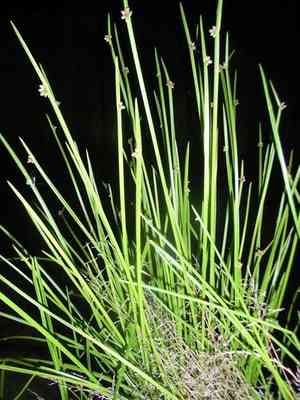
The ideal period for transplanting bog bulrush is from the warmth of late spring to the beginning of summer, which encourages robust development. Select a damp, well-lit location and carefully replant bog bulrush, making sure the roots are secure for successful establishment.
Essential Preparations Before Relocating Bog Bulrush?
Optimal Timing for Moving Bog Bulrush?
Relocate bog bulrush between late spring and early summer for best root establishment prior to intense heat. During this period, soil warmth promotes root development, yet temperatures aren't so high as to stress the newly moved bog bulrush. This timeframe also benefits from longer days, providing ample sunlight for photosynthesis, thus strengthening the bog bulrush as it adjusts to its new spot. Furthermore, moderate temperatures and occasional rain aid a smooth transition and lessen the need for constant irrigation.
Required Spacing Between Bog Bulrush Specimens?
When relocating bog bulrush, ensure a distance of approximately 2-3 feet (60-90 cm) separates each plant. Adequate spacing will support their development and prevent them from competing for resources.
Best Soil Blend for Bog Bulrush Relocation?
For bog bulrush, prepare well-draining, loamy soil enriched with a compost base. This mixture will provide the plant with a beneficial start, as it contains essential nutrients vital for growth.
Ideal New Location for Your Bog Bulrush?
Select a sunny spot for your bog bulrush as they flourish best in bright areas. A garden location receiving several hours of direct sunlight daily would be an excellent choice.
Equipment Needed Before Relocating Bog Bulrush?
Gardening Gloves
You'll be handling soil and potentially sharp or prickly plant matter, so gloves are crucial for hand protection.
Spade or Shovel
For excavating the hole where you'll place the bog bulrush, and for extracting it from its current position. Choose a tool comfortable for your size and strength.
Trowel
This smaller digging implement is useful for manipulating soil around your bog bulrush once it's in its new home.
Watering Can or Hose
Water is essential before, during, and after relocation. Obtain a watering device you can easily control to avoid disturbing the bog bulrush too much.
Wheelbarrow or Container
This will be used to transport the bog bulrush from its original spot to its new location. Select something sturdy that will support the root ball.
Root Pruners
These might be necessary if the bog bulrush's roots have grown excessively large. Be sure to sanitize them before use.
Organic Compost
A small amount of additional organic material can help the bog bulrush settle comfortably into its new environment.
How to Extract Bog Bulrush from the Ground?
How to Extract Bog Bulrush from the Ground?
From Ground: First, hydrate the plant so the soil is damp but not saturated. Use a spade or shovel to dig a circle around the bog bulrush at least six inches from the base on all sides, ensuring the plant's root ball remains as intact as possible. Once the circle is complete, carefully slide the spade beneath the bog bulrush and lift it from the ground. Aim to retain as much soil on the roots as you can.From Pot: Water the bog bulrush to moisten the soil, which facilitates removal. Tilt the pot sideways then gently pull the bog bulrush by its base. If the plant is stuck, you might need to cut the pot away.From Seedling Tray: It's best to move seedlings once they have true leaves. Gently hold the seedling by its leaves, not its stem, as the stem is more delicate. Use a tool like a spoon or popsicle stick to lift the seedling and its root system from the tray.
Step-by-Step Guide for Relocating Bog Bulrush
Hole Preparation
Excavate a hole twice as wide and the same depth as the bog bulrush's root ball. Backfill the hole with a bit of organic compost.
Positioning
Place the bog bulrush in the hole. Ensure it stands upright and is at the same depth it was growing at in its previous location.
Backfilling
Carefully refill the hole with the original soil, breaking apart any large clumps. Firm the soil with your hands, but be careful not to compact it too tightly.
Watering
Thoroughly water the bog bulrush, then wait a few minutes for the soil to settle and add more if needed.
Post-Relocation Care for Bog Bulrush?
Watering
After relocation, your bog bulrush will require consistent watering to help it establish in its new spot. The soil should be kept uniformly moist.
Mulching
A layer of mulch can help retain soil moisture and deter invading weeds. However, keep the mulch away from the stem to prevent rot.
Pruning
Remove any dead or dying foliage from the bog bulrush to allow it to direct its energy towards new growth.
Protecting
If feasible, shield the bog bulrush from harsh weather conditions such as strong winds or frost for a few days after the move.
Resolving Common Issues with Bog Bulrush Relocation.
When is the optimal time to move bog bulrush?
Helpful hint - the best seasons for relocating bog bulrush are from late summer into early autumn.
How should I prepare the soil for moving bog bulrush?
It's crucial to enrich the soil with organic compost or manure before relocating bog bulrush. This boosts nutrient levels and ensures better growth.
What's the ideal planting depth for bog bulrush?
When relocating bog bulrush, you should ensure the root-ball is fully covered. However, avoid planting too deep to prevent root rot.
What is the recommended spacing for bog bulrush?
Indeed, maintaining a gap of about 2-3 feet (60-90 cm) between your bog bulrush plants will ensure healthy growth and prevent overcrowding.
How often should I water bog bulrush after relocation?
Initially, you should water the bog bulrush daily. After a week or two, gradually reduce this to twice a week. Adjust based on local weather conditions.
What if the leaves of bog bulrush start turning yellow after relocation?
No need to worry, yellow leaves can indicate overwatering or insufficient nutrients. Reduce watering and ensure your bog bulrush is receiving its nutritional requirements.
Can I relocate bog bulrush into pots?
Absolutely! Just ensure the pot has good drainage and is large enough to accommodate the bog bulrush's root growth.
Do I need to prune bog bulrush after relocation?
Yes, pruning is essential after relocation. It helps bog bulrush to focus its energy on root development. However, be careful not to over-prune.
Can bog bulrush tolerate frost after being relocated?
Bog bulrush is a resilient plant and can withstand minor frosts. However, protect it from severe frosts by using a plant cover or moving it indoors.
What should I do if bog bulrush doesn't thrive after relocation?
Check the light, water, and soil conditions. Consider performing a soil test as incorrect pH or nutrient deficiency can impact bog bulrush's growth.



