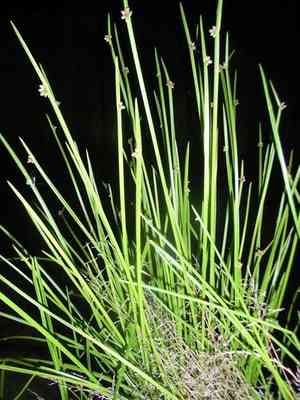
Bog bulrush (Schoenoplectiella mucronata)
Also known as: Rice-field bulrush
Papyrus (*Cyperus papyrus*), an endangered species, thrives in certain wetland areas. In Madagascar, its stems are traditionally woven into hats, while in Southeast Asia, they are crafted into bags and mats. Additionally, the seeds of this plant are a crucial food source for birds.
In This Article
Attributes of Bog bulrush
Lifespan
Perennial
Plant Type
Grass
Plant Height
60 cm to 90 cm
Spread
30 cm
Leaf Color
Green
Flower Size
5 mm to 5 cm
Flower Color
Yellow Green Brown
Images of Bog bulrush
Quickly Identify Bog bulrush
1
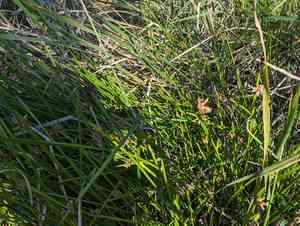
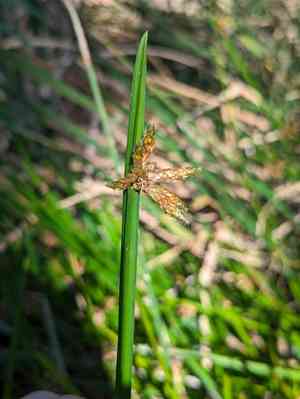
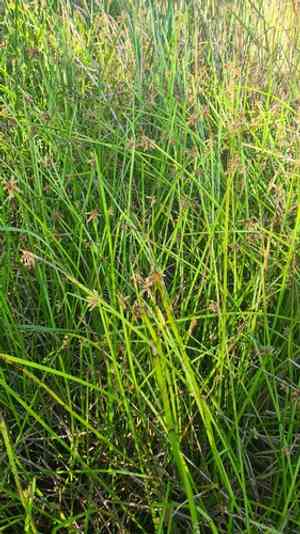
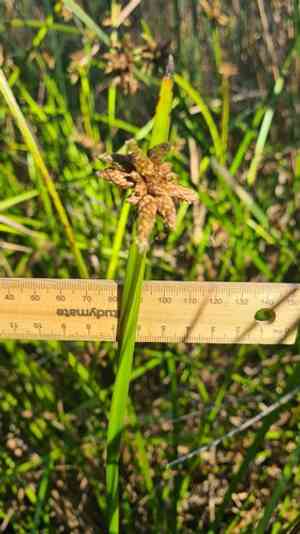
The mucronate club-rush can be identified by its slender, erect stems which are triangular in cross-section. Its leaves are reduced to sheaths at the base of the stems, and it produces small, brownish spikelets composed of numerous tiny florets.
Scientific Classification of Bog bulrush
Phylum
Vascular plants
Class
Monocotyledons
Order
Poales
Family
Sedge
Genus
Schoenoplectiella
Species
Bog bulrush
Planting and Growing of Bog bulrush
Care Difficulty
Easy
Watering Schedule
Every 4 days
Sunlight Requirements
Full sun
Sunshine Duration
4-6 hours
Ideal Temperature
65-77℉
Soil Type
Potting Mix, Peat Mix
Soil pH
6.5-7.5
Fertilizer Type
Balanced
Pruning Season
Spring, Summer
Pruning Area
Branches, Leaves
Pruning Frequency
2 times a year
Repotting Season
Spring
Pot Type
Plastic, Ceramic
 How to Water Bog bulrush?
Schoenoplectiella mucronata thrives in consistently moist environments. Aim to keep the soil continually damp without creating pool-like conditions. Use approximately 500 ml of water per session, ensuring it's evenly distributed across the soil to soak the root area effectively.
What are the symptoms of an underwatered Bog bulrush?
›
What should I do if my Bog bulrush is not getting enough water?
›
What are the symptoms of an overwatered Bog bulrush?
›
How to save an overwatered Bog bulrush?
›
 What Are the Sunlight Requirements for Bog bulrush?
Partial to full sun exposure is ideal. This range supports strong photosynthesis, producing healthy growth, vibrant foliage, and resistance to environmental stressors while maintaining efficient use of resources.
More About Sunlight Requirements Techniques→
What is the ideal light condition for Schoenoplectiella mucronata?
›
How can you provide the ideal light conditions for this plant?
›
What benefits does obtaining ideal lighting bring to Schoenoplectiella mucronata?
›
 What Is the Ideal Temperature Range for Bog bulrush?
Schoenoplectiella mucronata thrives best in temperatures ranging from 65°F to 77°F. This range provides optimal conditions for photosynthesis and metabolic activities, ensuring healthy growth and development.
 What Soil is Best for Bog bulrush?
Schoenoplectiella mucronata thrives in soils that retain moisture well, as it naturally occurs in wetland environments. Consistent moisture helps ensure lush growth and vitality, mimicking its natural habitat conditions. This plant benefits from nutrient-rich soils that can provide essential minerals and nutrients required for healthy growth. An abundance of organic matter in the soil supports robust development and resilience. While liking moisture, Schoenoplectiella mucronata also requires soil that drains well to prevent waterlogging. Proper drainage ensures that roots do not languish in overly saturated conditions, which helps avoid root rot.
 How to Fertilize Bog bulrush?
For Schoenoplectiella mucronata, the recommended fertilizer amount should be moderate to avoid stressing the plant. Use about 1/2 strength of a balanced 10-10-10 liquid fertilizer solution for liquid fertilization. For slow-release fertilizers, apply according to the package instructions, which usually involves a few tablespoons depending on the plant size.
 How to Prune Bog bulrush?
Start by identifying which stems need trimming—look for any that appear dead, damaged, or overcrowded. Pinpoint these sections before making any cuts to streamline the pruning process. Use your sharp, clean tools to make cuts at a slight angle. This angle helps water runoff, which can prevent rot and disease. Target cuts just above a node to encourage new growth and enhance overall plant structure.
More About Pruning Techniques→
 How to Propagate Bog bulrush plant?
1
Fill a seed tray with a well-draining potting mix to prevent waterlogging. Level the surface to create a uniform area for seed distribution, ensuring even seed growth.
2
Sow the seeds on the surface of the medium and cover them lightly. Maintain adequate spacing to allow each seedling to grow without competing for resources.
3
Carefully use pruning shears to divide mature plants into smaller sections. Each section should contain root and stem parts to ensure new growth upon replanting.
 How to Repot Bog bulrush plant?
1
Schoenoplectiella mucronata shows signs of needing repotting when growth becomes stunted, or when roots start to emerge from the drainage holes. These signals indicate that the plant might have outgrown its current container and requires more space and fresh soil for optimal growth.
2
Select a pot that allows at least a couple of inches extra space around the root ball. Clay pots are ideal as they offer good aeration, helping to prevent waterlogging. Ensure it has drainage holes to prevent standing water, which can lead to root rot.
3
Opt for a moist, nutrient-rich soil mix that can imitate its natural habitat. This mix should retain moisture without being too dense, promoting root health and providing ample nutrition. Such soil encourages healthy growth and vibrant foliage.
Learn More About Bog bulrush Diseases
Anthracnose
Bacterial Leaf Spot
Bacterial Soft Rot
Bacterial Wilt
Chemical Injury
Crown Gall
Cyst Nematode
Damping-off
Downy Mildew
Drought Stress
Fusarium Wilt
Gray Mold
Leaf Spot
Mosaic
Nutrient Deficiency
Nutrient Toxicity
Powdery Mildew
Root Rot
Root-knot Nematode
Rusts
Sooty Mold
Spider Mites
Temperature Stress
Thrips Damage
White Mold



