How to Prune Bog bulrush?
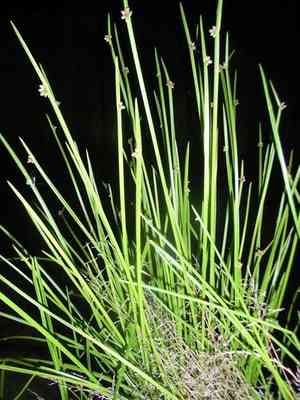
A perennial sedge flourishing in aquatic environments, Schoenoplectus tabernaemontani necessitates judicious trimming to preserve its vitality and structure. Remove deceased or excessively long stalks in early spring or during winter, significantly prior to the onset of vigorous development. Prompt cutting fosters strong new growth and deters unwanted self-propagation. Consistently employ sanitized, sharp implements to lessen trauma and avert pathogen introduction. Trimming is infrequently required but can revitalize mature clusters and alleviate congestion caused by the plant itself.
What Are the Benefits of Pruning Bog Bulrush?
What Are the Benefits of Pruning Bog Bulrush?
Trimming bog bulrush encourages strong new development, ensuring the plant stays healthy and sturdy. It also helps keep a desired form, preventing excessive growth and maintaining visual appeal.
What Is the Best Time for Pruning Bog Bulrush?
What Is the Best Time for Pruning Bog Bulrush?
Experts recommend that bog bulrush be trimmed in early spring or winter. Early spring is beneficial as it precedes bog bulrush's active growth period. Pruning then allows the plant to recover and direct energy to new growth, resulting in a healthier, more robust plant. Winter pruning is ideal because the plant is dormant, leading to less stress on bog bulrush and reduced risk of disease spread through cuts. In winter, the lack of foliage also provides better visibility for identifying and removing any diseased or damaged stems.
What Tools Do I Need to Prune Bog Bulrush?
Bypass Pruners
Bypass pruners are perfect for making clean, precise cuts on bog bulrush's slender, flexible stems. These tools operate like scissors, causing minimal harm to plant tissue and promoting quicker healing.
Long-Handled Loppers
For reaching into dense bog bulrush clumps and cutting thicker stems that bypass pruners might struggle with, long-handled loppers will be effective. Their extended handles provide leverage for easier cutting.
Gardening Shears
For shaping and trimming the tips of bog bulrush, gardening shears are suitable. They are designed for quick snips and are excellent for maintaining the plant's desired form.
Gloves
Wearing gloves is crucial when trimming bog bulrush to safeguard your hands from sharp edges and potential skin irritants from the plant.
How to Prune Bog Bulrush
Sanitize
Before trimming bog bulrush, clean and disinfect pruning tools to prevent disease transmission. Use a bleach and water solution or rubbing alcohol to sterilize the blades of your pruners.
Identify
Examine bog bulrush for diseased and withered leaves. Diseased leaves may show discolored, spotted, or misshapen textures, while withered leaves will appear dry and brown.
Cut diseased leaves
Using the sanitized pruning tools, carefully remove diseased leaves from bog bulrush by cutting them at the base of the leaf stem. Ensure a clean cut to avoid further damage to the plant tissue.
Cut withered leaves
Similarly, snip off withered leaves at the base of their stems. This will encourage healthier growth and enhance the visual appeal of bog bulrush.
Disposal
Properly dispose of diseased and withered leaves, away from healthy plants, to prevent any potential spread of pathogens in the garden.
Common Pruning Mistakes with Bog Bulrush
Overpruning
Removing too much foliage can stress bog bulrush, leading to stunted growth or a weakened state that could make it more vulnerable to disease and pest infestation.
Blunt tool use
Using dull or unclean tools can create jagged cuts that are susceptible to infection. It's essential to use sharp and sterilized pruning tools to make clean cuts.
Improper cut location
Cuts should be made just above nodes or branching points, not too far or too close, to promote healthy regrowth without leaving stubs or harming the plant structure.
Not pruning dead material
Failing to remove dead or decaying material can impede bog bulrush's growth and is a common error. It's necessary to periodically trim away dead stems and leaves to maintain plant health and vigor.
Pruning for size only
Focusing solely on size control without considering the natural form of bog bulrush can result in an unbalanced shape and poor plant health.
Neglecting to prune
Although bog bulrush is a robust plant, completely skipping the pruning process can lead to dense growth that may result in decreased air circulation and potential disease issues.
Common Pruning Tips for Bog Bulrush
Sharp clean tools
Always trim bog bulrush using sharp, clean cutting tools to prevent disease transmission and ensure clean cuts for quicker healing.
Correct pruning angle
Cut at an angle away from the bud to allow water to drain and minimize the risk of rot or fungal infection in bog bulrush.
Focus on health maintenance
Regularly trim away dead or decaying stems and leaves to maintain the health and aesthetics of bog bulrush, encouraging a lush and vigorous plant.
Assess before pruning
For bog bulrush, it's best to analyze the overall plant structure and growth pattern before starting to prune. This way, one can maintain a balance between plant health and desired shape.
Timing intervals
While specific seasonal timing isn't the focus, maintaining a routine pruning schedule will benefit the long-term health of bog bulrush. Prune as necessary to remove dead material or control growth.
Aesthetic pruning balance
When shaping bog bulrush, strive for a balance between aesthetic goals and the natural growth habit to preserve the plant's health and appearance.



