How to Propagate Bog bulrush?
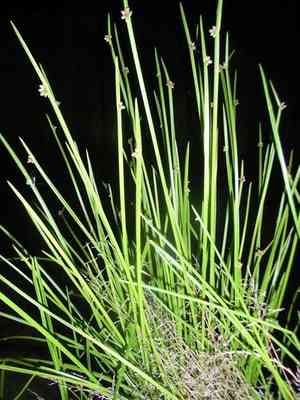
Schoenoplectus tabernaemontani flourishes most effectively when reproduced via the separation technique. For successful propagation, divide established clusters during periods of active development. Gently split the root mass into smaller portions, making sure each new segment possesses sufficient roots. Immediately re-embed these divisions into damp, nutrient-rich earth, preserving the original planting depth to foster strong development. Consistent irrigation after transplanting aids in the successful establishment of the divisions.
When Is the Optimal Time to Propagate Bog Bulrush?
Propagation Method
Splitting
Propagation Period
Spring,Autumn
What Tools Are Utilized for Bog Bulrush Propagation?
Sharp Knife or Garden Scissors
Crucial for making clean cuts through the rhizomes or root structures of bog bulrush during the division process. A sharp implement minimizes tissue damage, promoting faster healing and reducing disease risk.
Garden Fork or Spade
Employed for excavating bog bulrush from the ground without causing undue disruption to its root system. A spade is perfect for cutting beneath the root ball, while a fork aids in gently lifting the plant, lessening root trauma.
Watering Can with a Fine Rose
Essential for gently irrigating the newly divided bog bulrush sections. A fine rose attachment on a watering can delivers a soft, even spray, ensuring delicate new cuts are not dislodged or harmed.
Rooting Hormone
Though not always mandatory, applying rooting hormone to the severed ends of bog bulrush's roots can encourage quicker and more effective root formation, boosting the overall success rate of propagation.
How to Propagate Bog Bulrush?
Propagation Difficulty
Simple
How to Care for Your Newly Propagated Bog Bulrush?
How to Care for Your Newly Propagated Bog Bulrush?
Post-propagation, keep the soil or growing medium for bog bulrush consistently wet and prevent it from drying out, as bog bulrush naturally thrives in marshy conditions. Provide partial to full sun exposure and shield from extreme temperatures. Regular inspection for pests or diseases is vital for maintaining robust growth. Gradually decrease watering frequency as the plant establishes, but maintain a continuously moist environment.
Common Errors to Avoid When Propagating Bog Bulrush
Overwatering
Excessive moisture can lead to root decay and fungal infections, severely compromising the health of bog bulrush.
Poor soil mix
Utilizing a dense, poorly draining soil mixture can suffocate the roots of bog bulrush, impeding growth and propagation.
Ignoring light requirements
Placing bog bulrush in inadequate light conditions can weaken the plant, diminishing its vigor and capacity to propagate.
Excessive handling
Too much manipulation or disturbance during the propagation process can harm fragile roots and shoots, hindering successful establishment.
Tips For Propagating Bog Bulrush
Appropriate water balance
Maintain a balanced moisture level in the soil, ensuring it remains consistently damp but not waterlogged to support healthy root development.
Suitable soil mix
Use a soil mix that allows for good drainage yet retains sufficient moisture, such as one part peat to one part perlite or sand.
Adequate lighting
Ensure bog bulrush is situated in an environment that mimics its natural habitat, typically involving bright, indirect light.
Gentle handling
Handle bog bulrush delicately during propagation to prevent damage to the roots and shoots, promoting better recovery and growth.



