The Bog bulrush Plant Advantage: Maximizing Home and Office Appeal and Wellness
1
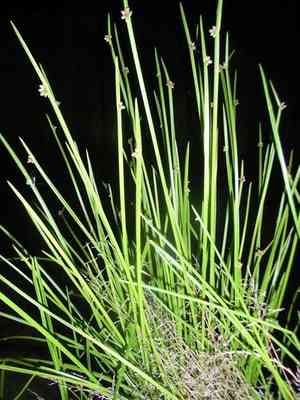
Schoenoplectus tabernaemontani aids in stopping soil loss in marshy regions.
2
Its dense root system enhances water purity through contaminant filtration.
3
Schoenoplectus tabernaemontani provides crucial shelter for fauna, such as aquatic birds and marine creatures.
How Does Bog bulrush Aid in Preventing Soil Loss?
Root System and Ground Stability
The root structure of Bog bulrush is remarkably fibrous and dense, enabling it to stabilize soil effectively. These roots penetrate deeply into the earth, forming a network that binds the soil, even in flood-prone regions. This helps prevent soil erosion and preserves wetland habitat integrity.
Natural Barriers Against Water Impact
During heavy rainfall and storms, water can flow rapidly, causing erosion. Bog bulrush acts as a natural barrier, reducing water flow velocity and force. This not only stops soil from being washed away but also lowers the risk of flooding in adjacent areas.
What Role Does Bog bulrush Play in Water Purification?
Contaminant Removal
Bog bulrush is highly effective at purifying water. Its roots can absorb and break down various pollutants, including heavy metals and excess nutrients. This natural purification process significantly improves water quality in wetlands, ponds, and rivers.
Support for Aquatic Organisms
Clean water is vital for the survival of aquatic life. By filtering contaminants, Bog bulrush creates a healthier environment for fish, amphibians, and other aquatic creatures. This, in turn, promotes biodiversity and strengthens the ecosystem.
Why is Bog bulrush Important for Wildlife Habitats?
Shelter and Food Sources
Bog bulrush provides essential habitat for diverse wildlife. Birds, especially waterfowl, utilize it for nesting and cover, while many small animals find sustenance and refuge among its stalks. The plant also supports insects crucial to the food web, contributing to overall biodiversity.
Habitat Restoration Efforts
In areas where natural habitats have been degraded, planting Bog bulrush can assist in restoration initiatives. Its ability to establish quickly and thrive in various conditions makes it an ideal candidate for ecological restoration projects, helping to reintroduce native species and create robust ecosystems.
How Does Bog bulrush Enhance Environmentally Friendly Landscaping?
Low Upkeep and Sustainability
A significant advantage of incorporating Bog bulrush into landscaping is its minimal maintenance requirements. Once established, it needs little watering and care, making it an eco-friendly choice for sustainable gardening and landscaping endeavors.
Aesthetic and Practical Value
Beyond its functionality, Bog bulrush adds aesthetic appeal to landscapes. Its lush, green foliage and distinctive structure can enhance the visual charm of gardens, parks, and other outdoor spaces. Furthermore, it offers the added benefit of stabilizing soil and filtering water, making it a practical yet beautiful option.



